Imagine relying on your car every day, only to face unexpected breakdowns caused by a seemingly simple oversight—the battery. While often overlooked, your car’s battery is the silent hero that ensures your vehicle starts reliably and runs smoothly. But how often do you check its health? Corrosion, loose terminals, and declining charge can strike at any moment, turning a routine drive into a stressful ordeal. Regular inspections, cleaning terminals, and monitoring voltage are straightforward yet powerful steps that can extend your battery’s life and prevent emergencies. Are these small habits enough to guarantee worry-free driving? The truth is, proactive battery care transforms the mundane into a safeguard against breakdowns, especially during harsh weather or long trips. Mastering these easy maintenance routines isn’t just about preserving your vehicle—it’s about peace of mind, confidence, and ensuring your car is always ready when you need it most.

Keep Your Car Ready to Go with Simple Battery Maintenance Tips
Your car’s battery might not be the star of the show, but it’s essential for keeping your vehicle reliable and ready to go. Without a healthy battery, starting your car can become a challenge, especially in extreme weather. Most vehicles depend on lead-acid batteries—made of lead plates submerged in sulfuric acid—to supply the electrical power needed for ignition and all the electronic systems. When you turn the key, these chemical reactions produce the current that sparks the engine to life. But this seamless process relies on the battery’s ability to stay charged and in good condition, which is why regular maintenance matters so much.
Think of your battery as the silent workhorse of your vehicle—a component that’s easy to overlook until something goes wrong. When it’s working well, your engine starts quickly, lights stay bright, and electrical systems run smoothly. But when the battery begins to weaken, you might notice sluggish starts, dimming headlights, or warning signals on your dashboard. These signs are often early clues that corrosion or declining charge are hindering performance. Catching these issues early means you can address them before they lead to breakdowns, saving you inconvenience and repair costs.
Corrosion around the terminals is one of the most common culprits behind battery problems. Over time, white or greenish deposits can form on the terminals, creating resistance that prevents efficient electrical flow. This buildup acts like a barrier, making it harder for your vehicle to start and operate reliably. Fortunately, cleaning corrosion with a wire brush or a simple baking soda paste is straightforward and can restore a solid connection. Regularly inspecting and cleaning the terminals isn’t just about immediate performance—it’s a simple way to extend your battery’s lifespan and reduce the risk of unexpected failures.
Monitoring your battery’s overall health takes only a few quick checks. Visual inspections for cracks, swelling, or leaks can reveal internal damage that needs urgent attention. Using a multimeter to measure voltage provides an even clearer picture—around 12.6 volts when the engine is off typically indicates a healthy battery. If readings fall below 12.4 volts, it’s a sign that your battery is losing its capacity and may soon need replacing. Regularly checking these indicators helps you stay ahead of potential issues, especially during seasonal transitions when batteries are more vulnerable to temperature extremes.
Incorporating these simple care routines into your regular vehicle maintenance doesn’t require technical expertise or much time. A quick glance at the terminals, a thorough cleaning if needed, and a voltage check can become part of your routine. Doing this before long trips or during seasonal changes is especially wise, as batteries tend to struggle more in cold or hot weather. These small, consistent steps—like setting reminders or keeping a multimeter in your glove compartment—can prevent breakdowns and keep your car dependable day in and day out. When battery maintenance becomes a habit, worry-free driving is well within reach.

Unlock the Secrets of Your Car Battery’s Function and Care
A car battery might not turn heads, but it’s a vital part of your vehicle’s health. Most cars rely on lead-acid batteries, which are composed of lead plates submerged in sulfuric acid. These components work together to produce the electrical energy needed to start your engine and power everything from headlights to onboard electronics. When you turn the key, chemical reactions inside the battery convert stored chemical energy into electricity, giving your car the spark it needs to come alive. This process is seamless when the battery is in good shape, but it hinges on the battery’s ability to stay charged and free of corrosion or damage.
Understanding how your battery functions makes it easier to see why routine care is necessary. A healthy battery provides a steady flow of power, ensuring your engine starts quickly and your electrical systems operate smoothly. Signs of a well-maintained battery include swift engine cranking, bright lights, and consistent electrical performance. Conversely, sluggish starts, dimming headlights, or dashboard warning lights suggest trouble brewing—most often from corrosion around the terminals or a dip in charge. Recognizing these early signs allows you to intervene before problems escalate, saving you from inconvenient breakdowns.
Corrosion around the terminals is one of the most common issues that can undermine your battery’s performance. Over time, white or greenish deposits form on the terminals, creating resistance that hampers electrical flow. This buildup acts like a barrier, preventing your vehicle from drawing the full power it needs for reliable starting and operation. Fortunately, cleaning corrosion with a wire brush or a simple baking soda and water paste is straightforward. Regularly inspecting and cleaning the terminals helps maintain a solid connection, which is crucial for your battery’s efficiency and longevity.
Monitoring your battery’s overall health is simple but impactful. Visual checks can reveal cracks, swelling, or leaks—signs of internal damage that require prompt attention. Using a multimeter to measure voltage offers a quick, accurate snapshot of your battery’s condition. When the engine is off, a healthy battery typically reads around 12.6 volts. If the voltage dips below 12.4 volts, it indicates that the battery is losing capacity and may need replacing soon. Keeping an eye on these readings, especially during seasonal transitions, helps you catch potential issues early before they turn into roadside emergencies.
Routine battery maintenance doesn’t demand technical expertise or much time. Incorporate a quick inspection into your regular vehicle checks—look at the terminals, clean off corrosion if needed, and test the voltage. Doing this every few months or before long trips can make a significant difference, especially in extreme weather conditions. Cold temperatures, in particular, tax batteries more heavily, so ensuring your battery is in good shape ahead of winter can prevent getting stranded on a freezing morning. These small, proactive steps keep your vehicle dependable and reduce the likelihood of unexpected failures.
Ensuring tight, secure terminal connections is another key aspect of battery care. Vibrations from driving can loosen clamps over time, causing voltage drops and starting issues. During your inspection, gently tighten the clamps to make sure they’re snug. This simple move prevents electrical resistance and keeps the current flowing smoothly. It’s a quick step that pays off by maintaining your battery’s performance, especially during colder months when a loose connection can have a bigger impact. Regularly checking and tightening terminals is a small effort that can save you from bigger headaches later.
By understanding your car battery’s basic components and how they work together, you gain the knowledge to care for it effectively. Recognizing early signs of wear, cleaning corrosion, and monitoring voltage are straightforward actions that extend your battery’s lifespan and boost your vehicle’s reliability. These habits not only prevent breakdowns but also give you peace of mind that your car will start when you need it most. Making battery maintenance a routine part of vehicle care is a simple, impactful way to ensure worry-free driving, no matter the season or distance.
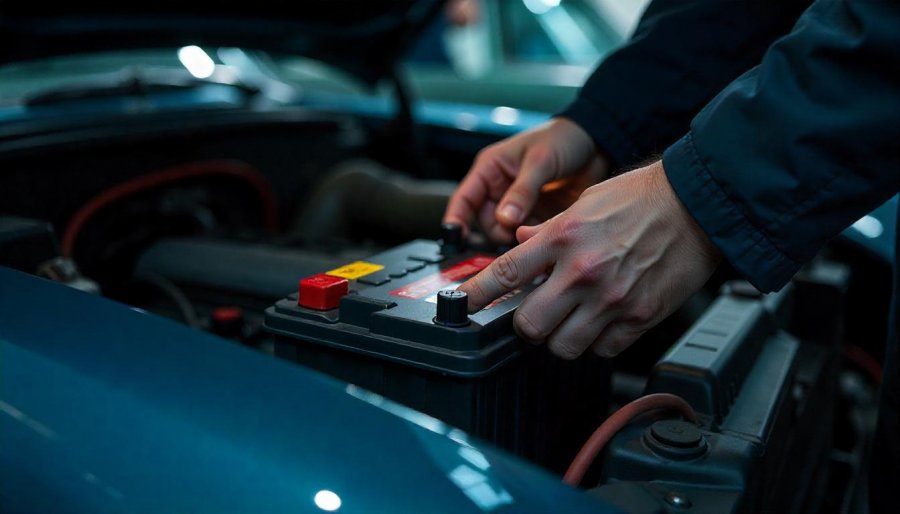
Smart Strategies to Incorporate Routine Battery Checks into Your Vehicle Maintenance
Incorporating routine battery checks into your vehicle maintenance doesn’t have to be complicated or time-consuming. The key is to develop a habit so seamless that it becomes second nature—something you do without even thinking about it. Start by scheduling simple inspections every few months, especially during seasonal changes when temperature fluctuations put extra stress on your battery. Cold weather, for example, can drain your battery faster, making a pre-winter check a smart move. Setting reminders on your phone or calendar ensures you won’t forget these quick checks, turning them into a regular part of your car care routine.
A multimeter is an affordable tool that can give you a clear snapshot of your battery’s health in seconds. When the engine is off, a reading close to 12.6 volts indicates a fully charged, healthy battery. If your voltage drops below 12.4 volts, it signals that your battery’s capacity is waning and it might be time for a replacement soon. Regular voltage checks allow you to catch early signs of decline before they turn into roadside emergencies. A quick test every few months can save you money, stress, and unexpected breakdowns, especially during busy or cold months when your battery is more vulnerable.
Cleaning the terminals is another straightforward step that can significantly improve your battery’s performance. Over time, white or greenish corrosion deposits can form around the terminals, acting like a resistance barrier that hampers electrical flow. Gently scrubbing these deposits with a wire brush or a baking soda paste restores a solid connection, helping your battery deliver power efficiently. It’s best to do this during your routine inspection, particularly if you notice sluggish starts or dimming lights. Keeping terminals clean not only boosts current flow but also extends the overall lifespan of your battery, preventing small issues from escalating into costly repairs.
Ensuring the battery terminals are tightly secured is just as important. Vibration from driving can loosen clamps over time, leading to poor connections and voltage drops that make your engine harder to start. During your check, give each clamp a gentle twist or push to make sure it’s snug. This simple move prevents electrical resistance and keeps the current flowing smoothly, especially in colder weather when batteries are more prone to losing their charge. Making a habit of tightening the terminals during routine inspections helps maintain consistent power delivery and reduces the risk of unexpected breakdowns caused by loose connections.
By integrating these small, manageable steps into your regular vehicle care, you build a proactive approach that keeps your battery—and your vehicle—running reliably. Quick inspections, voltage checks, terminal cleanings, and tight connections all work together to prevent common issues like slow starts and electrical failures. These habits don’t demand technical expertise or hours of your time; instead, they fit naturally into your routine, whether during a weekly car wash or a monthly maintenance check. Over time, this consistent attention will pay off with a more dependable ride, fewer roadside surprises, and the peace of mind that comes with knowing your vehicle is prepared for anything.