Few moments capture the pure joy shared between dogs and their owners as vividly as a sunny outdoor walk. But what makes these simple outings so profoundly meaningful? Beyond exercise, these walks tap into a dog’s innate drive to explore through scent, sight, and sound, engaging their minds and emotions in ways that foster confidence and happiness. Science reveals that such sensory-rich experiences release feel-good chemicals like dopamine and strengthen bonds rooted in trust and understanding. Today’s pet owners recognize that walks are more than routine—they’re vital for mental stimulation, socialization, and emotional well-being. The challenge lies in balancing familiarity with novelty, respecting a dog’s limits, and making each outing a personalized, joyful adventure. As we deepen our understanding of canine psychology, we realize that these moments of discovery and connection don’t just enrich a dog’s life—they transform everyday walks into treasured rituals of love, curiosity, and shared happiness. Are you ready to see your outdoor moments in a new light?
Discover the Joy and Deepen Bonds Through Outdoor Dog Walks
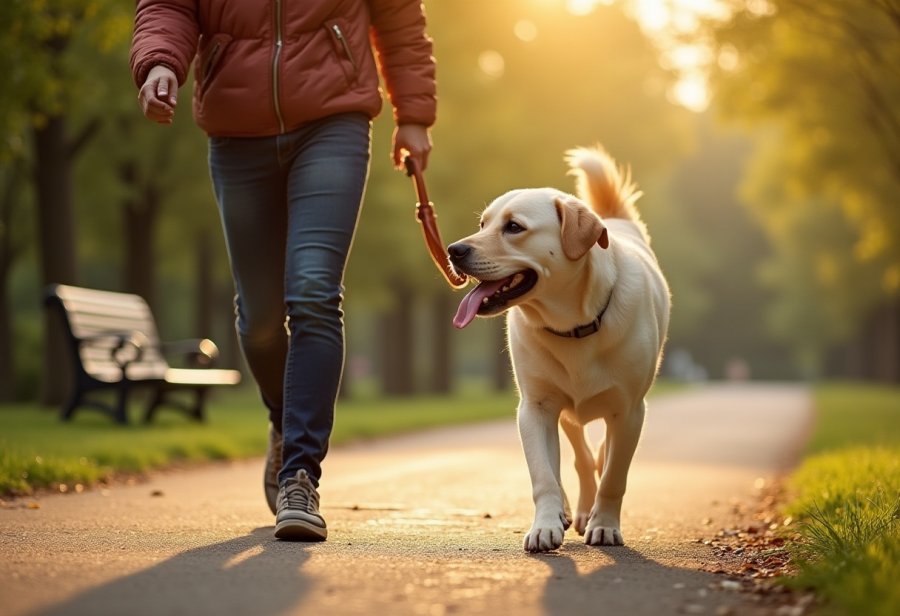
Few moments in a dog’s life bring as much joy as a sunny walk with their favorite human. These outings aren’t just about covering ground—they’re opportunities for dogs to explore, sniff, and take in the world around them. For owners, walks go beyond routine exercise; they’re a chance to unwind, connect, and share in their pet’s happiness. Whether strolling through a park or wandering a quiet neighborhood, these outdoor adventures deepen the bond between dog and owner.
Dogs are naturally wired to explore through their senses. Their sharp noses, attentive eyes, and keen ears drive them to investigate new scents, sights, and sounds. These sensory experiences aren’t just habits—they’re essential for their mental and emotional health. Sniffing and tracking provide vital mental stimulation, reinforcing confidence and a sense of security. When a dog pauses to sniff or looks up trusting, it’s a sign that the moment is meaningful and enriching.
Beyond the sensory delight, outdoor walks offer important physical benefits. They help dogs maintain a healthy weight, build muscle, and support cardiovascular health. But their advantages extend further—these outings serve as mental enrichment, keeping dogs sharp and engaged through encounters with new scenery, other animals, or intriguing smells. Such moments can reduce stress and boredom, common triggers for behavioral issues, while strengthening the emotional connection with their owner.
The trust and companionship built during walks are profound. As dogs learn to navigate their environment with confidence, they develop a sense of safety and security. Playful interactions, like chasing a ball or greeting a new friend, add to the joy and excitement. These shared experiences foster patience, understanding, and mutual trust, transforming daily outings into rituals of love and discovery that create lasting memories.
Historically, humans have recognized the importance of outdoor activity for dogs. In earlier times, dogs relied on their instincts to hunt, herd, or protect—behaviors that required space to roam and explore. This natural drive shaped how humans viewed their canine companions—not just as workers, but as friends who thrived on outdoor engagement. Today, that history reminds us why daily walks are so vital: they allow dogs to reconnect with their innate instincts.
In our modern world, attitudes toward dog walks have evolved. Today’s owners see these outings as essential for mental stimulation, socialization, and overall happiness. Urban parks, trails, and dog-friendly spaces reflect a shift toward mindful pet care. The simple act of walking has become a vital part of responsible ownership, supporting a dog’s well-being and strengthening the bond we share.
Understanding the significance of outdoor walks helps us appreciate these moments even more. They’re opportunities to slow down, enjoy nature, and deepen our relationship with our dogs. Each walk becomes more than a routine—it’s a celebration of life’s small, joyful moments. By valuing these simple pleasures, we nurture our pets’ happiness and create a foundation for lifelong trust and companionship.
Uncover the Science Behind Why Dogs Find Outdoor Walks So Fulfilling
Research shows that outdoor walks are deeply fulfilling for dogs because they tap into their natural instincts and cognitive needs. When dogs encounter a variety of scents, they’re not just being playful—they’re actively engaging in scent detection, a complex mental activity that stimulates their brains more than many other daily activities. Processing these smells releases feel-good chemicals like dopamine, which boost their mood and emotional well-being. Given that a dog’s sense of smell is hundreds of times more sensitive than ours, this mental engagement is vital for their happiness.
Theories in animal behavior support this idea, emphasizing that dogs have evolved to explore their environment through their senses. In the wild, tracking scents, investigating sights, and responding to sounds were essential for survival. These behaviors became ingrained in their biology, making outdoor exploration a core part of their mental health. When humans domesticated dogs, they continued to thrive on outdoor activities that fulfilled these innate drives. That’s why regular walks, filled with sniffing and exploring, are so crucial—they allow dogs to reconnect with their evolutionary roots.
Science also highlights the importance of visual variety and social interactions during outdoor walks. Seeing different landscapes, moving objects, and other animals keeps a dog’s mind engaged and prevents boredom. These rich sensory experiences help reduce stress and anxiety by reinforcing feelings of safety and trust. Animal behavior experts often point out that environments rich in stimuli not only make dogs happier but also bolster their emotional resilience. When dogs feel mentally stimulated and confident in their surroundings, they tend to be calmer and better adjusted.
Long-standing research into canine psychology confirms that walks serve more than just physical exercise. Historically, dogs were working animals—herders, hunters, protectors—whose success depended on their ability to explore and adapt. Recognizing these instincts, trainers and scientists have long understood that mental stimulation is just as essential as physical activity. Today, this understanding shapes how we approach outdoor walks, emphasizing their role in nurturing curiosity, confidence, and emotional health. It’s a reminder that a walk isn’t just a routine—it’s a vital mental health practice.
In our modern world, the significance of outdoor walks has grown even more. As urban living and busy schedules dominate, owners are increasingly aware that walks are a key way to enrich their dog’s life. New technologies, like activity trackers and pet apps, help owners tailor outdoor experiences to their dog’s needs, tracking activity levels and environmental conditions. This shift reflects a broader appreciation: outdoor walks are fundamental for a dog’s mental and emotional balance, offering a natural, effective way to keep dogs fulfilled, curious, and emotionally resilient.

Modern Perspectives: Embracing Outdoor Walks as Essential for Canine Happiness
Today, attitudes around dog walks have shifted from being a simple daily task to an essential part of a dog’s emotional and mental well-being. More owners and trainers now see these outings as opportunities for enrichment, socialization, and strengthening the bond between pet and owner. Parks, nature trails, and designated dog-friendly spaces are everywhere, reflecting a growing awareness that outdoor time isn’t just about exercise—it’s about engaging a dog’s senses and nurturing their curiosity.
Many dog owners recognize that regular walks are fundamental for their pet’s happiness and health. They’re no longer considered optional but crucial for mental stimulation and social skills development. Routine walks help prevent boredom and behavioral issues caused by pent-up energy. Trainers emphasize that these outings also serve as natural opportunities to practice obedience and manners, while vets highlight their benefits for maintaining a healthy weight and supporting cardiovascular health.
The way people approach walks varies depending on their dog’s breed, age, and personality. Some favor multiple shorter walks each day to keep their dog mentally engaged, while others prefer fewer, longer adventures for deeper exploration. Regardless of the routine, consistency and quality are key. A well-planned walk filled with positive interactions can turn a simple outing into a meaningful experience that strengthens trust and deepens the bond between owner and pet.
Influence from social media and pop culture continues to shape perceptions of outdoor walks. Images and videos of dogs exploring scenic parks or chasing toys flood platforms like Instagram and TikTok, emphasizing the joy and freedom that outdoor outings provide. These portrayals inspire many owners to prioritize walks as a vital part of responsible pet care, aiming to give their dogs moments of happiness, discovery, and mental stimulation.
Cultural differences also influence how dog walks are viewed worldwide. In Western countries, daily outings are often seen as a standard part of responsible ownership, with many cities offering parks and dog zones designed for safe exploration. In contrast, regions with higher urban density or different cultural norms might see shorter or more indoor-focused routines. Despite these variations, the core idea remains consistent: outdoor walks are fundamental for a dog’s overall well-being, both physically and mentally.
Enhance Every Walk: Practical Tips for Maximizing Your Dog’s Joy and Well-Being
To truly maximize the joy of outdoor walks, creating routines that balance familiarity and novelty can make a big difference. Choosing routes your dog already enjoys helps boost their confidence and comfort, transforming each walk into a positive experience. As they become accustomed to these familiar spaces, gradually introducing new sights, sounds, and smells keeps their mind engaged and curious. Keeping a consistent schedule, such as walking at the same times each day, provides predictability that dogs find reassuring, making them eager and relaxed for each outing.
Paying close attention to your dog’s cues turns routine walks into personalized adventures. If they pause to sniff or show signs of tiredness, respecting those signals prevents overexertion and stress. Simple tools like a comfortable harness, waste bags, and water bottles make outings safer and more enjoyable, fostering a relaxed environment where your dog can explore freely. These small touches create a shared sense of discovery, strengthening your bond and making each walk a memorable moment.
Avoid pushing your dog beyond their limits, especially during longer or more intense outings. Puppies and older dogs can tire quickly, and pushing too hard may lead to discomfort or stress. Stay vigilant for signs of discomfort, like pulling or hesitation, and adjust the pace accordingly. Using a leash that offers control and comfort, along with being mindful of your surroundings, helps prevent accidents and keeps the experience positive. Respecting your dog’s physical and emotional limits ensures that outdoor walks remain a source of happiness rather than stress.
Incorporating practical tools and resources can elevate your outdoor experience. Packing essentials such as water, waste bags, and a comfortable harness ensures your dog’s safety and comfort. Educational guides on leash manners or local dog-friendly spots can help you plan better routes, while technology like activity trackers or weather apps provides insights into your dog’s activity levels and safety conditions. These simple preparations turn routine walks into thoughtfully designed adventures that cater to your dog’s needs.
Making outdoor walks more fulfilling also involves variety and intentionality. Varying your routes and exploring new parks or trails can stimulate your dog’s senses and curiosity. Allowing your dog to sniff, investigate, and engage with different environments nurtures their natural instincts and emotional well-being. Incorporating occasional reward-based training during walks can reinforce good behavior and deepen your bond, turning each outing into a positive learning experience. The goal is to create a balanced mix of exploration, training, and relaxation.
Finally, approaching each walk with presence and patience transforms a simple activity into a meaningful shared experience. Be attentive to your dog’s reactions and needs, adjusting your pace and route as necessary. Celebrate their discoveries and encourage their curiosity, making each outing a moment of joy and connection. With consistent care and mindful planning, outdoor walks become more than routine—they become a cherished part of your relationship, filled with trust, happiness, and shared adventure.
Cherish Every Step: Final Reflections on the Lasting Value of Outdoor Adventures with Your Dog
Outdoor walks are more than just a daily routine—they’re moments to celebrate the simple joys shared with our dogs. These outings, filled with fresh air, new sights, and the comforting presence of a trusted companion, form the heart of a happy, balanced relationship. They remind us that life’s best moments often come from slowing down and savoring the world alongside our pets.
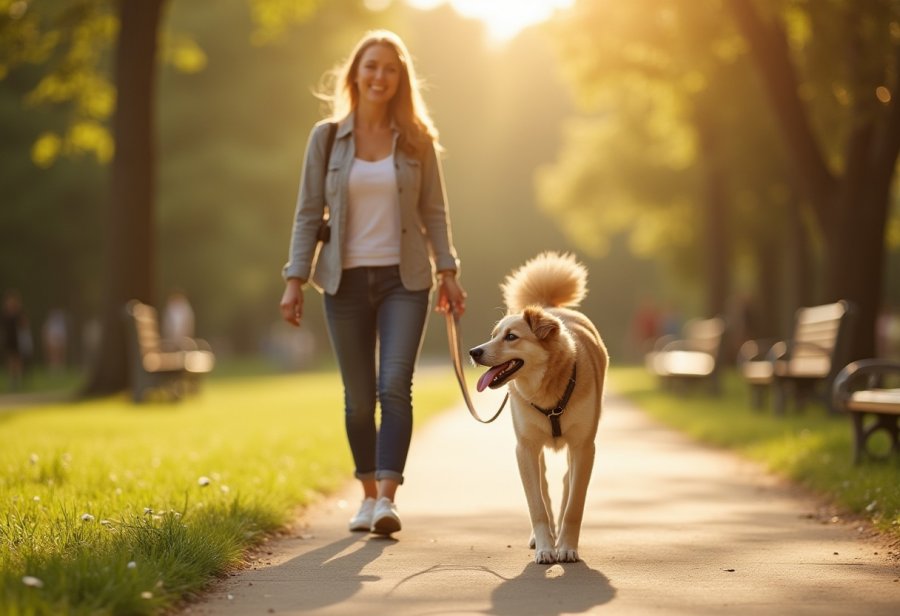
Each walk offers a chance to strengthen the bond rooted in trust, love, and curiosity. When dogs feel safe and free to explore, their confidence grows, and that sense of security extends into every part of their lives. Watching them pause to sniff, investigate, or trot ahead with enthusiasm reinforces the connection you’ve built. These small, shared experiences turn routine outings into meaningful memories that deepen understanding and affection.
You don’t need lengthy or elaborate adventures to make these moments count. Even brief, regular walks packed with gentle encouragement and attentive care can have a lasting impact. The key lies in being present—recognizing when your dog needs a break, respecting their cues, and adapting your pace. These acts of patience and kindness transform a simple walk into a cherished ritual that nurtures mutual trust and happiness.
Looking ahead, exploring new routes or visiting different parks can keep these outdoor moments fresh and stimulating. Introducing your dog to new scents, sights, and sounds sparks curiosity and supports their mental well-being. Using tools like activity trackers or weather apps helps tailor outings to your dog’s needs, ensuring safety and comfort at every step. Embracing variety and mindfulness turns each walk into a rewarding adventure.
Remember, these outdoor moments are more than physical activity—they’re opportunities to nurture your dog’s emotional health and deepen your bond. When approached with patience, love, and a sense of discovery, they become vital threads in the fabric of your shared life. These simple, everyday experiences can foster a sense of peace and joy that enriches both your lives profoundly.
Embrace the imperfections and surprises along the way. Whether it’s a favorite trail or a new path, each walk is a chance to reconnect and enjoy the outdoors together. Over time, these routines build a foundation of trust and happiness, strengthening your relationship in ways words can’t fully capture.
As you continue to explore the world with your dog, hold onto the idea that every step is a celebration of companionship and discovery. These outdoor moments offer more than exercise—they’re a gift, reminding us to breathe, be present, and cherish the simple, profound joy of living in the moment with our furry friends.