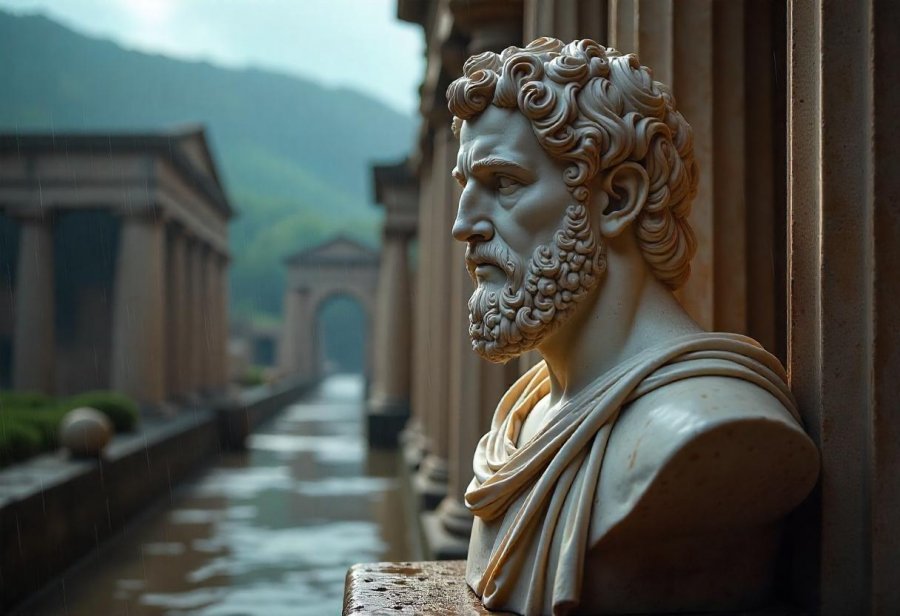
Step into the extraordinary life of Alexander the Great, a young king whose unparalleled military genius and bold vision transformed the ancient world. His campaigns reshaped borders, blending cultures and sparking the dawn of the Hellenistic era—yet at what cost? From his early education under Aristotle to daring victories at Gaugamela and India, Alexander’s mastery of strategy and innovation redefined warfare and diplomacy. He sought not only to conquer but to unify diverse peoples through cultural fusion, founding cities and encouraging cross-cultural exchange. But his relentless ambition brought destruction, displacement, and moral questions about the true price of greatness. As his empire fractured soon after his death, his enduring legacy persisted in cities and ideas that continue to influence history. Could his vision of a connected world survive the chaos of conquest, or was it destined to be fleeting? His story remains a powerful testament to how visionary leadership can shape—and challenge—the course of civilization.
Alexander the Great: A Legacy of Military Genius and Cultural Vision
Alexander the Great stands out as one of history’s most extraordinary military minds and empire builders. His campaigns transformed the ancient world, spreading Greek influence across Persia, Egypt, and India in just a decade. Known for daring tactics and strategic brilliance, he didn’t merely conquer lands—he reshaped cultures and set new standards for warfare that are still studied today. His leadership inspired loyalty and motivated his troops in ways few generals could match, cementing his legacy as a legendary figure whose impact goes far beyond the battlefield.
But Alexander’s influence extends beyond military success. He was a visionary leader who believed in blending cultures and ideas, fostering a cross-cultural exchange that defined the Hellenistic age. By founding cities, encouraging marriages between his soldiers and local women, and adopting customs from conquered lands, he aimed to unite diverse peoples under a shared identity. This approach helped stabilize his empire and created a legacy of cultural fusion that influenced art, philosophy, and governance for centuries after his death.
His story is also one of relentless ambition. From a young age, Alexander demonstrated extraordinary intelligence, charisma, and a thirst for knowledge, shaped by his education under Aristotle. Even as a teenager, he showed leadership potential—governing Macedon during his father’s campaigns and leading daring small battles. These early experiences laid the groundwork for his later conquests, proving he was not just a warrior but a strategic thinker and ruler in his own right.
Alexander’s rapid expansion was fueled by innovative tactics and bold maneuvers. His victories at key battles like Granicus, Issus, and Gaugamela showcased his ability to read the battlefield, employ surprise, and adapt quickly to different terrains and enemies. Despite facing larger armies, his disciplined troops and clever strategies allowed him to overcome seemingly insurmountable odds, earning him a reputation as a military genius whose methods still influence modern warfare.
His life story is a testament to bold vision and strategic brilliance, but it also raises questions about the human cost of empire-building. His campaigns brought destruction, displacement, and loss of life on a massive scale. Yet, through his relentless drive, Alexander created a legacy of cultural fusion, innovation, and ambition that continues to inspire. His remarkable achievements remind us that true greatness often involves navigating complex moral and strategic challenges—leaving a mark that endures long after the battles have faded.
From Macedon to the World: The Roots and Early Years of Alexander
Born in 356 BCE in the city of Pella, the heart of Macedon, Alexander’s roots were deeply intertwined with royal lineage and a culture that valued both military prowess and political influence. His father, King Philip II, had already united much of Greece under Macedonian control, setting the foundation for Alexander’s own ambitions to expand and redefine empire. From an early age, it was clear that Alexander was destined for greatness. He displayed a sharp intellect, natural charisma, and a keen interest in leadership, often standing out among his peers.
Recognizing his potential, Philip ensured Alexander received an elite education, most notably under Aristotle, one of history’s greatest philosophers. This mentorship extended beyond academics, shaping Alexander’s worldview and approach to leadership. He learned ethics, science, and strategy, lessons that would influence his military tactics and governance in later years. Exposure to Greek philosophy and science fueled a lifelong curiosity and desire to merge knowledge with action.
Even as a child, Alexander demonstrated leadership qualities. He was quick to command and brave in small skirmishes, often leading groups of soldiers during his father’s campaigns. His early governance of Macedon, handling rebellions and founding cities like Alexandria, gave him vital experience in political and military management. These roles built his confidence and decision-making skills, laying the groundwork for the vast empire he would eventually forge.
His childhood was also marked by a strong sense of divine destiny, heavily influenced by his mother, Olympias. She believed her son was descended from gods, especially Zeus, and her fierce ambition fueled his sense of purpose. Olympias’s influence nurtured his confidence and reinforced the idea that he was born to make a lasting mark on history. This divine narrative became central to his identity and motivation.
By his teenage years, Alexander was already showing the traits that would define his leadership. During his father’s absences on military campaigns, he governed Macedon, managing rebellions and founding new cities. These early acts of authority demonstrated his ability to inspire loyalty and handle complex situations, skills that would be crucial in later conquests. His early experiences in governance and military strategy set the stage for the extraordinary achievements to come.
Following Philip’s assassination in 336 BCE, Alexander faced the immediate challenge of consolidating power as a young king. Despite being only 20, he moved swiftly to eliminate rivals and suppress rebellions, showing a maturity beyond his years. His education, early leadership roles, and sense of divine purpose prepared him to step into the role of ruler with confidence. These formative years shaped the ambitious leader who would go on to change the course of history.
Conquering the Impossible: Alexander’s Campaigns and the Creation of a New Empire
Alexander’s military campaigns stand as some of the most remarkable in history, showcasing his extraordinary strategic mind across diverse terrains and against formidable enemies. His journey began with swift, daring assaults that caught the Persian forces off guard, setting the tone for a relentless decade of conquest. At the Battle of Granicus, he employed rapid cavalry charges to break enemy lines, demonstrating a bold approach that would define his style. Moving into Asia Minor, the Battle of Issus proved a turning point, where his clever use of terrain and flanking tactics outmaneuvered a larger Persian army led by Darius III.
His most famous victory at Gaugamela cemented his reputation as a military genius. Facing Darius with a numerically superior force, Alexander used innovative tactics—dividing his troops into flexible units, creating gaps in the Persian lines, and executing surprise attacks. The battle ended with Darius fleeing, effectively ending Persian resistance in the region. These victories were not just about brute strength; they relied on reading the battlefield, employing surprise, and inspiring his army to push beyond their perceived limits.
As he advanced deeper into Persia’s heartlands, Alexander didn’t merely conquer—he integrated. Diplomatic efforts like marriage alliances and adopting local customs helped foster loyalty among his new subjects. His acceptance of Persian dress and traditions was a strategic move to unify a diverse empire under a shared identity, laying the groundwork for stability. This cultural fusion, known as Hellenization, became a hallmark of his rule, blending Greek and Eastern influences and creating a lasting legacy of cross-cultural exchange.
Crossing into India marked the final phase of his expansion. At the Battle of Hydaspes, he faced King Porus, whose army was equipped with war elephants and formidable defenses. Despite being outnumbered, Alexander’s mastery of terrain and tactical flexibility led to another victory. However, after years of continuous warfare and long marches, his troops refused to march further east at the Beas River, forcing him to turn back—an acknowledgment of the physical and psychological limits of his forces.
Returning to Babylon, Alexander faced the enormous challenge of governing a vast and culturally diverse empire. His campaigns had created an empire stretching from Greece to India, but maintaining control proved complex. His policies of cultural integration—founding cities, encouraging intermarriage, and adopting local customs—helped stabilize regions and foster loyalty. Yet, his relentless pursuit of empire also brought destruction, loss of life, and rebellion among his troops. His conquests reshaped the ancient world, leaving a legacy of innovation, cultural fusion, and ambition that continues to influence history today.
Shaping History: The Enduring Impact of Alexander’s Conquests and Cultural Fusion
Alexander the Great’s influence extends far beyond the battlefield victories that earned him legendary status. His innovative military strategies, such as the effective use of combined arms and rapid cavalry maneuvers, revolutionized warfare and set enduring standards for future generals. His emphasis on flexibility, surprise, and psychological impact allowed his relatively small forces to overcome larger armies and adapt across diverse terrains, shaping modern tactical thinking.
Culturally, his conquests sparked the spread of Greek ideas, art, architecture, and governance, giving rise to the vibrant Hellenistic civilization. Cities like Alexandria became thriving centers of learning and commerce, attracting scholars, scientists, and artists from different backgrounds. These urban hubs facilitated the exchange of knowledge and fostered innovations in philosophy, science, and arts, creating a legacy of intellectual growth that persisted long after his empire’s fragmentation.
Alexander’s approach to cultural fusion was as strategic as it was symbolic. By encouraging intermarriages, adopting local customs, and founding new cities, he sought to unify his diverse empire through shared identity and loyalty. This policy of integration helped stabilize regions and fostered a sense of collective belonging among different peoples, demonstrating that empire-building could be rooted in mutual respect rather than mere domination.
The spread of Hellenistic culture had profound effects on science, philosophy, and the arts. Thinkers and scholars made significant advancements in astronomy, mathematics, and medicine, fueled by the intellectual exchanges facilitated by Alexander’s foundations. The Library of Alexandria, in particular, became a beacon of knowledge and curiosity, symbolizing the pursuit of understanding across cultures and setting the stage for future scientific progress.
Yet, Alexander’s campaigns also brought destruction and hardship. Cities were razed, populations displaced, and countless lives lost in his relentless pursuit of empire. His rapid expansion created a fragile mosaic of cultures and territories that disintegrated soon after his death, illustrating the limits of his vision. This human toll reminds us that even the most remarkable achievements carry profound costs.
Despite the empire’s fleeting nature, Alexander’s legacy endured through the cities, institutions, and ideas he left behind. His dream of a connected world where East and West could meet and learn from each other continues to inspire. His life exemplifies how bold strategy and cultural diplomacy can shape history, but also serve as a reminder of the sacrifices involved in such grandeur. His story remains a powerful testament to the complex nature of greatness and the enduring influence of cross-cultural exchange.
Reflections on Greatness: Lessons from Alexander’s Life and Legacy
Alexander the Great’s legacy is a testament to the transformative power of bold vision and strategic innovation. His military tactics, emphasizing flexibility, rapid maneuvering, and psychological impact, revolutionized warfare and set enduring standards for future generations. These methods allowed a relatively small force to overcome larger armies across diverse terrains, demonstrating that adaptability and inspiration often outweigh sheer numbers. His campaigns not only reshaped the landscape of the ancient world but also influenced military thinking for centuries to come.
Beyond the battlefield, Alexander’s impact extended through the spread of Greek culture, art, and governance, giving rise to the vibrant Hellenistic civilization. The cities he founded, especially Alexandria in Egypt, became centers of learning, trade, and cultural exchange. These hubs of knowledge fostered advancements in philosophy, science, and arts, creating a legacy of intellectual curiosity that persisted long after his empire’s fragmentation. His efforts in fostering cross-cultural fusion helped bridge East and West, promoting a shared identity rooted in mutual influence and respect.
His approach to empire-building was as much symbolic as strategic. By encouraging marriages between Greeks and conquered peoples, adopting local customs, and establishing new cities, he aimed to unify diverse groups under a common purpose. This policy of cultural integration helped stabilize his vast territories and foster loyalty among different peoples, demonstrating that empire success can be grounded in respect and adaptation rather than mere domination. Yet, this vision came with human costs—cities razed, lives lost, and communities displaced in the relentless pursuit of expansion.
Although his empire was short-lived, Alexander’s influence endured through the institutions, ideas, and cultural exchanges he initiated. His dream of a connected world where East and West could meet and learn from each other continues to inspire. His life exemplifies how daring strategy, combined with cultural diplomacy, can leave a lasting imprint on history. However, it also reminds us that greatness often demands significant sacrifices, both human and moral.
Ultimately, Alexander’s story highlights the complexity of true greatness. His achievements show the potential of visionary leadership to reshape the world, yet the costs serve as a cautionary tale about the human toll of relentless ambition. His legacy invites reflection on the delicate balance between innovation and responsibility, reminding us that lasting impact often involves navigating moral and practical challenges. His life remains a powerful reminder that greatness is not only about conquest but also about understanding and managing the profound consequences that come with it.