Nylon, a staple in our daily lives—from clothing to household items—hides a complex and troubling environmental story. Its production relies heavily on extracting and refining finite fossil fuels, a process that devastates ecosystems and consumes vast amounts of energy, contributing significantly to climate change. The chemical reactions involved release hazardous waste and microplastics that persist in landfills and oceans, endangering wildlife and human health alike. Microfibers shed during washing infiltrate food chains, raising alarming questions about long-term health impacts for consumers. Communities near manufacturing sites often bear disproportionate health burdens due to toxic emissions and pollution. As nylon’s durability leads to centuries-long persistence, its environmental toll intensifies, prompting urgent questions: can we reconcile our reliance on this resilient material with the need for sustainability and environmental justice? This tension urges us to rethink the true cost behind the convenience of nylon and explore greener alternatives.
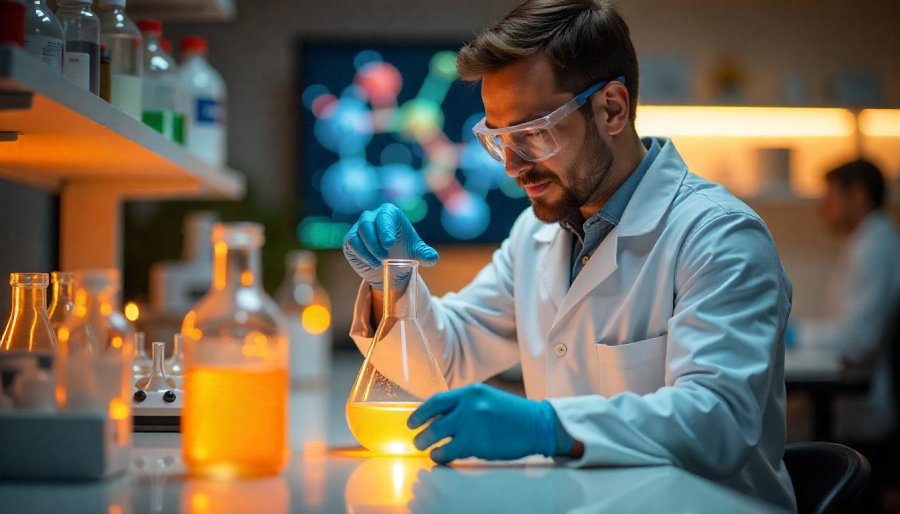
Unveiling Nylon: Daily Uses and Hidden Environmental Costs
Nylon is one of those materials you likely encounter every day, often without giving it much thought. It’s in your socks, workout gear, and everyday shirts, as well as in household items like carpets, upholstery, and even some industrial products. Its popularity comes from its durability, elasticity, and affordability, making it a go-to choice for both manufacturers and consumers. But behind this convenience lies a complex story about its environmental footprint that’s worth understanding.
The origins of nylon are deeply tied to fossil fuels—mainly oil and natural gas. These non-renewable resources are extracted through intensive drilling operations that can cause habitat destruction, pollution, and significant energy consumption. Once extracted, these hydrocarbons are transformed into the building blocks for nylon—such as hexamethylenediamine and adipic acid—via energy-intensive chemical reactions. This entire process demands large amounts of heat and chemicals, often releasing pollutants into the environment and contributing to air and water contamination.
The production of nylon involves polymerization, where monomers are chemically linked to form long chains called polymers. This process, typically through condensation polymerization, releases small molecules like water as byproducts. Managing the temperature, pressure, and catalysts precisely is essential to create high-quality fibers, but these conditions also generate hazardous waste streams, including volatile organic compounds and toxic chemicals. If not properly contained or treated, these substances can escape into the environment, polluting air and water and posing risks to ecosystems and human health.
Dependence on fossil fuels heavily influences the environmental impact of nylon manufacturing. Extracting and refining oil and natural gas consumes enormous amounts of energy—mainly from burning more fossil fuels—which releases greenhouse gases like carbon dioxide and nitrous oxide. These emissions are major contributors to climate change. The chemical reactions that convert raw hydrocarbons into nylon monomers are also energy-intensive, further increasing the carbon footprint. As global demand for nylon grows, so does the scale of these operations, amplifying their environmental and resource depletion impacts.
Beyond chemical and energy concerns, nylon’s durability creates long-term environmental challenges. Since it resists decomposition, discarded nylon products can linger in landfills for centuries. Over time, they fragment into microplastics—tiny fibers shed during washing—that contaminate oceans, lakes, and rivers. Marine life mistakes these fibers for food, suffering injuries and poisoning, and the microplastics eventually enter the human food chain through seafood consumption. These persistent pollutants highlight how a material designed for resilience can become a silent but severe threat to ecosystems and public health.
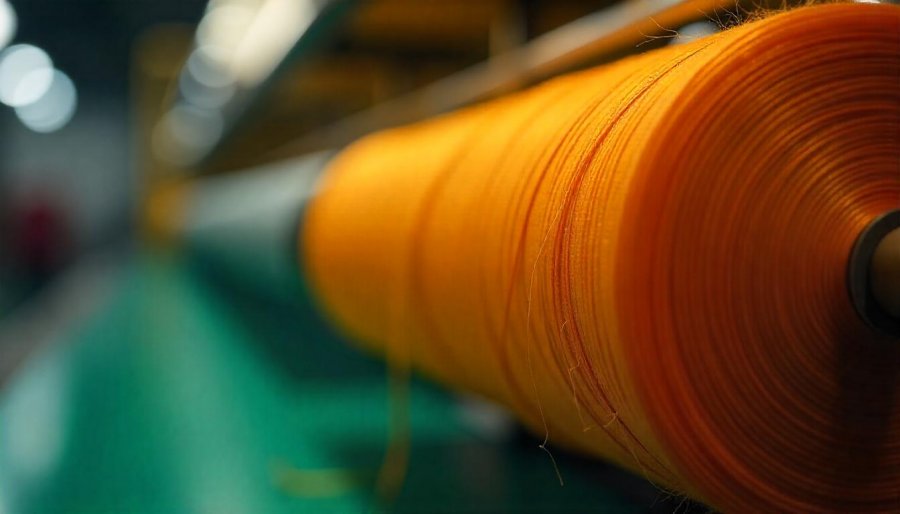
From Fossil Fuels to Fibers: The Chemical Journey of Nylon Production
Nylon production begins with the extraction of petrochemicals from oil and natural gas, making it inherently dependent on finite fossil fuel resources. These hydrocarbons are obtained through complex drilling operations that often threaten ecosystems, cause habitat loss, and consume vast amounts of energy. Once extracted, the raw materials undergo refining processes that transform them into the chemical building blocks needed for nylon—primarily hexamethylenediamine and adipic acid. These monomers are synthesized through a series of chemical reactions, involving the conversion of hydrocarbons into more reactive, usable compounds. This entire stage requires significant energy input, much of which comes from burning additional fossil fuels, thereby intensifying environmental impacts.
The core of nylon manufacturing is polymerization, where monomers are linked together to form long chains called polymers. This process typically involves condensation polymerization, which releases small molecules like water as byproducts. Achieving the right conditions—precise temperature, pressure, and catalysts—is critical for producing high-quality fibers. However, these conditions also contribute to the creation of hazardous waste streams, including volatile organic compounds and other toxic chemicals. If not properly contained or treated, these substances can escape into the environment, polluting air and water and posing risks to both ecosystems and human health.
Dependence on fossil fuels heavily influences the environmental footprint of nylon production. Extracting and refining oil and natural gas consumes enormous amounts of energy—primarily from burning more fossil fuels—which releases greenhouse gases like carbon dioxide and nitrous oxide. These emissions are major contributors to climate change. The chemical reactions that convert raw hydrocarbons into nylon monomers are similarly energy-intensive, further increasing the carbon footprint. As demand for nylon continues to grow globally, so does the scale of these operations, amplifying their impact on resource depletion and environmental health.
During manufacturing, various solvents, catalysts, and additives are employed to facilitate chemical reactions and improve fiber quality. These substances can lead to additional pollution if not managed carefully. Emissions of volatile organic compounds and nitrous oxide are common during polymerization, contributing to air pollution and climate change. Wastewater contaminated with chemical residues from production processes also poses serious risks when released into nearby water bodies, potentially harming aquatic ecosystems and contaminating drinking water sources. Despite regulations, spills and ongoing emissions highlight the ongoing challenge of controlling petrochemical pollution in nylon manufacturing.
The chemical complexity of converting raw fossil fuels into nylon fibers involves handling toxic byproducts. Volatile organic compounds and hazardous chemicals are released during polymerization, and if proper controls are absent, these substances can escape into the environment. They settle in soils and waterways, accumulating in ecosystems and affecting biodiversity. Waste streams generated during production are often difficult to treat thoroughly, and failures in waste management can lead to long-lasting environmental contamination. This cycle of chemical release and waste production underscores the significant ecological footprint tied to nylon’s industrial origins.
As the global demand for nylon rises, so does the urgency to address its environmental costs. The energy-intensive processes, reliance on non-renewable resources, and chemical waste streams all contribute to a substantial ecological burden. Innovations such as recycling post-consumer nylon—like plastic bottles—or developing bio-based alternatives aim to reduce reliance on raw fossil fuels. Moving towards greener, more sustainable manufacturing methods could help mitigate these impacts, but current practices still leave a heavy environmental footprint. Recognizing these challenges encourages industry and consumers alike to support solutions that prioritize sustainability.
Addressing nylon’s environmental impact requires systemic change across industries and markets. Improving waste management, reducing the dependence on fossil fuels, and fostering research into biodegradable polymers are essential steps. Supporting innovations in recycling and bio-based production methods can significantly lower nylon’s ecological footprint. Ultimately, shifting consumer preferences toward sustainable fabrics and holding manufacturers accountable for environmental standards will be crucial in creating a more responsible textile industry. This transition not only benefits ecosystems but also promotes a healthier future for communities affected by pollution and resource depletion.
Understanding the processes behind nylon’s creation reveals the true complexity of this ubiquitous material. While its durability and affordability have made it a staple in modern life, the environmental costs are substantial. From resource extraction to chemical synthesis and waste management, each stage carries significant ecological consequences. Moving forward, embracing sustainable alternatives and cleaner production techniques will be vital to balancing nylon’s benefits with its environmental responsibilities. Only through informed choices and innovative solutions can we hope to reduce its footprint and foster a more sustainable relationship with the materials we rely on daily.
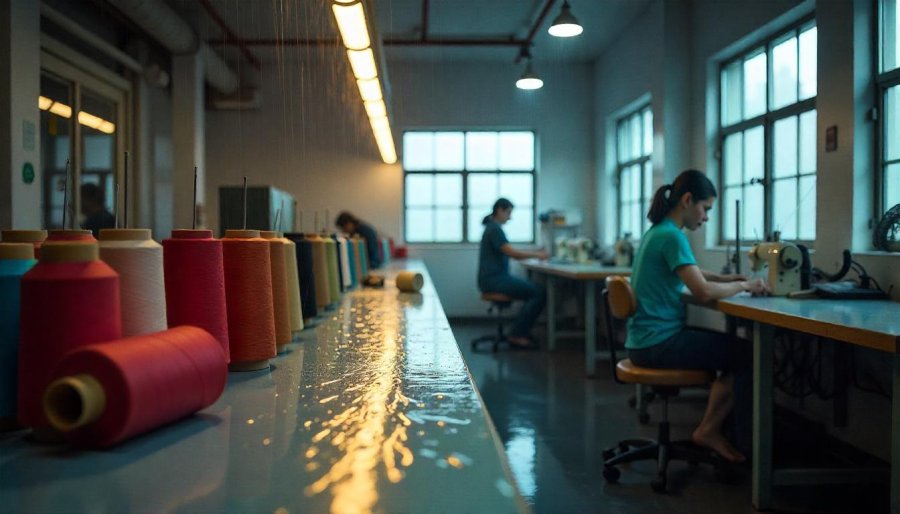
Nylon’s Impact: Ecosystems, Health, and Social Inequities
Nylon’s widespread use and manufacturing impact extend far beyond environmental concerns; they profoundly affect human health and ecosystems alike. The release of toxic chemicals—such as nitrous oxide and volatile organic compounds—during production doesn’t stay contained within factories. These substances drift into the air, settle into soils, and contaminate nearby water supplies, exposing workers and local communities to health risks like respiratory issues, skin irritations, and even more serious conditions over time. In regions where regulations are lax, vulnerable populations often bear the brunt of this chemical fallout, facing higher incidences of illness linked to pollution from nylon factories.
One of the most troubling legacies of nylon is microplastic pollution. Every time we wash nylon garments, tiny fibers—often invisible to the naked eye—are shed and carried away with wastewater. These microfibers infiltrate oceans, lakes, and rivers, where marine life mistakes them for food. Ingested by fish, shellfish, and other aquatic creatures, these fibers can cause internal injuries, interfere with feeding, and introduce toxic chemicals into their bodies. As these microplastics move up the food chain, they eventually reach humans through seafood consumption, raising serious questions about potential health impacts and long-term safety.
The extraction of fossil fuels for nylon’s production also takes a heavy toll on the environment, especially in sensitive habitats like coastal wetlands and forests. Drilling operations threaten biodiversity and disrupt ecosystems, while oil spills and chemical leaks further damage habitats and poison wildlife. These disturbances diminish biodiversity, erode ecological resilience, and undermine the livelihoods of communities dependent on healthy environments. As ecosystems degrade, the balance of local flora and fauna shifts, often with devastating consequences for both wildlife and the people living nearby.
Nylon’s durability, while advantageous for consumers, results in long-lasting environmental footprints. Unlike biodegradable materials, nylon resists decomposition and can persist in landfills for hundreds of years. Over time, it fragments into microplastics, polluting soil and waterways and infiltrating ecosystems at every level. Discarded nylon products can clog landfills, leaching chemicals into the environment and poisoning wildlife that ingest or become entangled in these plastics. This persistent pollution not only harms the natural world but also complicates waste management efforts worldwide, highlighting the mismatch between nylon’s resilience and the planet’s capacity to absorb its waste.
Social disparities become stark when considering nylon’s environmental and health impacts. Communities near manufacturing sites—often in regions with weaker environmental protections—face disproportionate exposure to harmful chemicals and pollution. Residents report higher rates of respiratory illnesses, cancers, and other health problems linked to chemical exposure, revealing a clear inequality in who bears the costs of nylon production. These disparities underscore the importance of stricter regulations and more sustainable practices, not just to protect ecosystems but also to ensure environmental justice for vulnerable populations. Recognizing the interconnectedness of environmental health and social equity is crucial as industries move toward more responsible production and consumption models.