Imagine transforming your business communications from a rigid, hardware-dependent process into a flexible, scalable powerhouse. Grandstream’s innovative telephony devices make deployment faster, management simpler, and networks more resilient—yet, how many organizations truly leverage these advantages? As traditional landlines fade, cloud-managed IP phones and centralized platforms emerge as game-changers, enabling rapid expansion and remote management with minimal errors. This new era of customizable telephony enhances security, optimizes call quality, and supports remote or hybrid workforces effortlessly. But are your current systems prepared to meet the demands of today’s fast-paced, evolving business landscape? Discover how Grandstream’s solutions turn complex deployment into a streamlined process, empowering your organization to adapt swiftly and confidently, ensuring communication remains a strategic asset rather than a logistical challenge.
Transforming Business Communication with Customizable Telephony Solutions
In today’s fast-paced business world, clear and reliable communication isn’t just a convenience—it’s a necessity. As organizations expand, embrace remote work, or open new locations, their telephony systems must be more than just functional; they need to be adaptable, scalable, and simple to manage. This is where customizable telephony solutions come into play, offering a flexible approach that fits each business’s unique needs without adding unnecessary complexity.
Traditional phone systems, often reliant on bulky hardware and manual setups, struggle to keep up with the demands of modern organizations. They tend to be rigid, slow to scale, and costly to update—especially when growth or change is involved. In contrast, innovations like cloud-managed IP phones and devices designed for mass deployment are reshaping how companies build and maintain their networks. These solutions support remote configuration, automatic updates, and centralized management, making it easier than ever to keep communication systems current and efficient.
This shift toward flexibility isn’t just about convenience; it’s about gaining agility. Companies can craft communication networks that align with their workflows, seamlessly integrate with digital tools, and adapt swiftly to change. Whether it’s improving call quality, enhancing user experience, or reducing downtime, these advanced solutions empower organizations to operate more smoothly and respond quickly to market shifts. The right tools enable businesses to focus on growth and innovation rather than troubleshooting hardware or managing complex infrastructure.
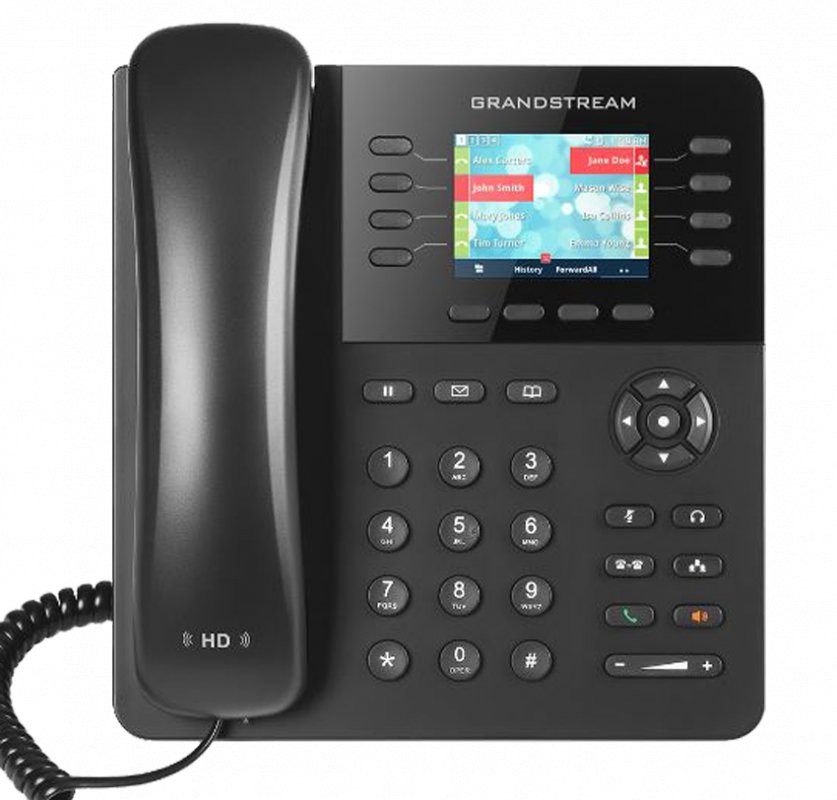
Grandstream exemplifies this trend with a broad range of enterprise-grade IP phones built for diverse needs. Their devices support scalable deployment across small offices, large call centers, or remote teams. Features like auto-provisioning and centralized management through platforms like GDMS significantly cut down setup time and ongoing maintenance. With these tools, organizations can deploy hundreds or even thousands of phones swiftly, maintaining consistent configuration and security standards across the entire network.
This move toward customizable telephony isn’t just about hardware; it’s about transforming communication into a strategic asset. Cloud management platforms allow IT teams to monitor, update, and troubleshoot devices remotely, reducing the need for physical visits and manual adjustments. Automated provisioning ensures new devices are configured instantly when plugged in, enabling rapid deployment in response to organizational growth or shifting needs. This approach makes networks more resilient, secure, and adaptable—ready to support today’s dynamic business environment.

Building a Foundation: How Telephony Systems Power Modern Business
Telephony systems form the backbone of modern business communication, enabling everything from straightforward voice calls to complex video conferences that keep teams connected across different locations. Historically, these systems depended on landlines and on-premises hardware, which often proved inflexible and challenging to scale as companies grew or shifted operations. Today, Voice over IP (VoIP) technology has revolutionized this landscape, allowing calls to traverse the internet. This shift not only reduces costs but also makes expanding or modifying communication networks much simpler and more adaptable.
A key element of effective telephony lies in customization—tailoring the system to meet the specific needs of a business. No two organizations are exactly alike, which makes flexible call routing, user permissions, and integration with other digital tools vital. Customization streamlines workflows, enhances customer interactions, and reduces user frustration by providing a more intuitive, relevant experience. When a communication system aligns with operational requirements, it becomes a strategic asset that boosts productivity rather than just a utility.
Managing these systems efficiently is equally important. Instead of configuring each device individually, centralized management platforms empower IT teams to deploy updates, monitor system health, and troubleshoot remotely across hundreds or thousands of endpoints. This approach not only speeds up deployment but also minimizes errors and improves security by ensuring all devices stay current with the latest firmware and patches. Features like automatic provisioning mean new phones are ready to use almost immediately—plug them in, and they download their settings and updates automatically.
The transition from traditional landlines to IP-based solutions has driven a focus on scalability and security. Physical wiring and on-site hardware pose logistical hurdles when expanding or relocating, often requiring lengthy setups and manual configuration. Cloud-managed IP phones and centralized control platforms leverage existing network infrastructure, enabling rapid deployment of new devices and locations. Devices like Grandstream’s series support auto-provisioning and remote management, ensuring consistent configuration and reducing setup time, costs, and potential errors.
Security and network performance are central concerns in telephony management. Modern IP phones incorporate encryption, secure firmware updates, and network segmentation to safeguard against vulnerabilities. Quality of Service (QoS) settings prioritize voice traffic, ensuring calls are clear and lag-free even during busy periods. Monitoring tools provide real-time insights into network health, allowing proactive interventions that prevent disruptions before they impact users. This combination of security and performance optimization helps maintain reliable, high-quality communication at scale.
Scalability has become a core feature of today’s telephony solutions. Devices designed for mass deployment, such as Grandstream’s IP phones, make it easy to expand across multiple sites or remote teams. These devices can be configured en masse through centralized management systems, simplifying the onboarding process. As organizations grow or pivot to new operational models, they can seamlessly add new devices without overhauling their entire system, making telephony a flexible, future-ready component of the business infrastructure.
Remote management and automation align perfectly with the realities of today’s hybrid and distributed workforces. Whether onboarding new employees, launching a new office, or supporting remote teams, deploying and maintaining communication tools has become significantly more straightforward. Centralized platforms enable quick adjustments, firmware updates, and troubleshooting without physical visits, minimizing downtime and ensuring consistent call quality regardless of where teams are located.
Understanding these core principles—flexible, scalable, secure, and manageable telephony—is essential for appreciating how modern systems support organizational agility. They turn what once was a rigid, hardware-dependent utility into a dynamic platform capable of evolving alongside your business. This foundational knowledge sets the stage for exploring how innovative devices like those from Grandstream enable seamless deployment, management, and customization, transforming the way companies communicate in today’s fast-changing world.

Seizing the Moment: Current Trends in Telephony Device Deployment and Management
Today’s telephony landscape is marked by a clear shift toward rapid, flexible deployment that aligns with the fast-paced needs of modern businesses. Gone are the days when setting up a new office or expanding a team meant weeks of wiring and manual configuration. Now, internet-based solutions leverage existing network infrastructure, making additions almost instant. Devices like Grandstream’s IP phones exemplify this trend, supporting features like auto-provisioning and remote management that drastically cut deployment times and reduce errors. This approach transforms what used to be a logistical headache into a straightforward, scalable process.
Cloud management platforms have become the backbone of efficient telephony deployment. These centralized dashboards allow IT teams to configure, monitor, and troubleshoot thousands of devices remotely, often with just a few clicks. Automated provisioning ensures that new phones, once plugged in, automatically download settings, firmware updates, and security patches without manual intervention. This not only accelerates installation but also maintains consistency and security across the entire network. As a result, organizations can roll out new communication tools swiftly, keeping pace with growth or operational changes without sacrificing reliability.
The decline of traditional landlines and on-premises hardware is a major driver of this new deployment model. Physical wiring and manual setup are no longer practical for expanding or relocating operations, especially when speed and agility count. Cloud-managed IP phones, supported by devices like the Grandstream series, offer a seamless alternative. They can be added across multiple sites in minutes, with centralized management ensuring uniform configurations. This rapid scalability supports remote work, hybrid models, and urgent business needs, making telephony an adaptable part of strategic planning rather than a static utility.
Security and network performance are paramount in today’s telephony systems. Modern IP phones incorporate encryption protocols, secure firmware updates, and network segmentation to shield communications from vulnerabilities. Quality of Service (QoS) settings prioritize voice traffic, ensuring high-quality calls even during peak network usage. Monitoring tools provide real-time insights into network health, allowing IT teams to identify and resolve issues proactively. This proactive approach ensures that the communication infrastructure remains resilient, secure, and capable of supporting high-demand environments without hiccups.
Scalability is no longer an obstacle but a built-in feature of contemporary telephony solutions. Devices designed for mass deployment, such as Grandstream’s IP phones, can be configured en masse via centralized platforms, simplifying onboarding and reducing costs. As organizations expand or pivot to new operational models, they can seamlessly add or replace devices without overhauling their entire system. This flexibility turns telephony from a fixed utility into a dynamic, future-proof asset that adapts as business needs evolve.
Supporting today’s distributed and hybrid workforce, these technologies enable quick deployment and effortless management. Whether onboarding new employees, opening a new office, or maintaining remote teams, deploying communication tools is faster and more straightforward than ever. Firmware updates, troubleshooting, and adjustments happen remotely, minimizing downtime and maintaining high call quality regardless of where team members are located. This level of control not only improves operational efficiency but also helps organizations stay connected and responsive in a competitive environment.