Imagine transforming Toronto yards into stunning, eco-friendly retreats that seamlessly blend beauty, sustainability, and personal style. How can homeowners and landscape professionals collaborate to craft outdoor spaces that are not only visually captivating but also environmentally responsible? This guide explores the evolving trends in urban landscaping, emphasizing native plants, water-saving features, and eco-conscious materials that support local ecosystems. It highlights the importance of thoughtful design—balancing aesthetic appeal with functional zones, focal points, and sustainable hardscapes—while maintaining a client-centered approach that ensures satisfaction from concept to installation. As technology advances, innovative solutions like automated irrigation and regenerative practices promise even more resilient, personalized outdoor environments. Are today’s yards becoming ecological havens that foster biodiversity and reduce resource consumption? This preview invites readers to consider how the future of outdoor living in Toronto will continue to prioritize beauty, efficiency, and ecological harmony, shaping a greener, more vibrant cityscape.
Transform Toronto Yards into Sustainable Outdoor Retreats
Transforming Toronto yards into beautiful, sustainable outdoor spaces has become more than just a trend—it’s a practical response to the city’s evolving needs. As urban areas grow denser, homeowners are seeking ways to create retreats that blend style with environmental responsibility. These outdoor transformations are about more than aesthetics; they’re about making the most of limited space while supporting local ecosystems and reducing environmental impact.
Today’s outdoor retreats are carefully designed to balance beauty and sustainability. Native plants, eco-friendly hardscapes, and water-saving features are central to this approach. They not only enhance visual appeal but also thrive naturally in Toronto’s climate, requiring less maintenance and fewer resources. Incorporating elements like rain gardens and permeable pavements helps manage stormwater, protect waterways, and mitigate urban flooding—crucial concerns as weather patterns shift and intensify.
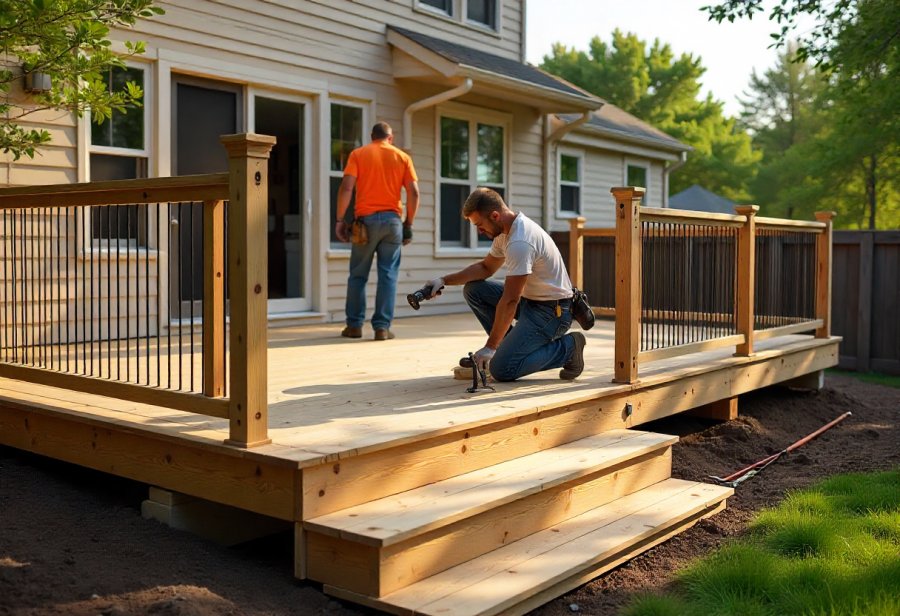
Creating these outdoor spaces involves a collaborative process where homeowners and landscape professionals work hand in hand. It’s about translating a vision into a detailed plan that respects both personal style and ecological principles. From initial sketches to installation, each step is designed to ensure the final result is a seamless blend of form and function—spaces that are inviting, resilient, and environmentally conscious.
This transformation reflects a broader movement toward greener urban living. Toronto yards now serve as mini-ecosystems, supporting biodiversity while adding value and comfort to homes. The goal is to craft outdoor retreats that are not only beautiful but also sustainable and adaptable, fostering a deeper connection to nature within the city. As this trend continues, it promises a future where every outdoor space contributes positively to the city’s ecological health and residents’ quality of life.
Master the Core Principles of Eco-Friendly Landscape Design
Sustainable landscape design focuses on creating outdoor spaces that are both beautiful and environmentally responsible. It begins with selecting resources wisely—using plants, materials, and techniques that minimize ecological impact while enhancing the visual appeal of the yard. Native plants play a key role because they are naturally adapted to Toronto’s climate, requiring less water, fertilizers, and chemical treatments. This not only conserves resources but also supports local wildlife by providing essential habitats.
Water management is central to sustainable design. Incorporating features like rain gardens, permeable pavements, and drip irrigation helps reduce runoff and water waste. These elements allow rainwater to soak into the ground, preventing overloads on city drains and protecting waterways from pollution. Using eco-friendly materials such as reclaimed wood, recycled stone, or biodegradable hardscapes further reduces environmental impact and gives the landscape a natural, timeless look.
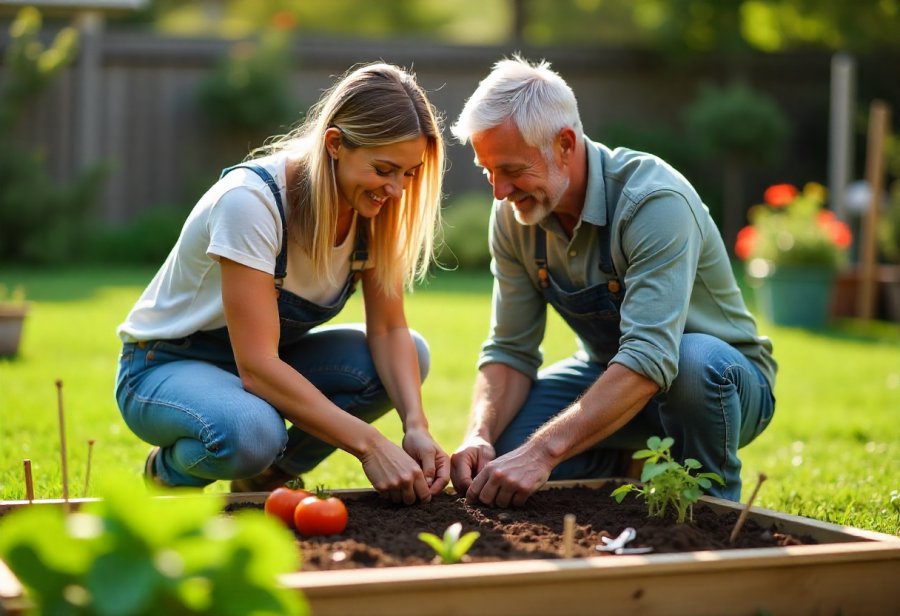
Design longevity matters in sustainable landscapes. Selecting drought-tolerant and native plants that thrive with minimal intervention ensures the yard remains vibrant and healthy over time. These resilient choices require less ongoing maintenance, making the space easier to care for, especially as climate patterns shift. A well-designed sustainable landscape is low-maintenance, reducing the need for lawn chemicals and frequent watering, which aligns with eco-conscious goals.
Understanding key terms like native plants and eco-friendly practices helps clarify why these choices matter. Native plants are inherently suited to Toronto’s environment, reducing dependence on supplemental watering and chemical inputs. Eco-friendly practices such as composting, organic gardening, and sustainable hardscape materials minimize pollution and waste, creating a healthier outdoor environment. When everyone involved in the design process embraces these principles, it becomes easier to achieve a landscape that balances beauty with ecological integrity.
Integrating these core concepts results in outdoor spaces that harmonize aesthetic appeal with environmental responsibility. Every element—from plant selections to hardscape materials—is chosen to support biodiversity, conserve water, and stand the test of time. This balanced approach not only creates a stunning yard but also contributes positively to the city’s ecological health. It encourages a deeper connection to nature and fosters sustainability at every stage of the landscape’s life cycle.
In the end, sustainable landscape design transforms ordinary yards into thriving ecosystems. It’s about more than just making a space look good today; it’s about ensuring it remains healthy and resilient for years to come. By prioritizing native plants, water conservation, and eco-conscious materials, designers can craft outdoor retreats that reflect both aesthetic desires and environmental values. These principles turn outdoor spaces into vibrant, eco-friendly havens that support biodiversity, reduce resource consumption, and promote a greener Toronto.
Create Stunning, Functional Outdoor Spaces with Thoughtful Design
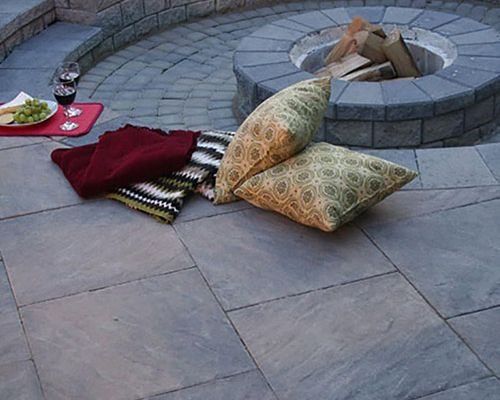
Creating outdoor spaces that are both visually stunning and highly functional hinges on thoughtful, well-balanced design. A seamless layout is key, allowing the yard to flow naturally and inviting users to move effortlessly from one area to another. Defining specific zones—such as dining spots, lounging areas, or garden beds—maximizes space and caters to different needs while maintaining harmony throughout the landscape. Incorporating focal points like a striking sculpture, a water feature, or a fire pit can turn a simple yard into a memorable retreat, drawing the eye and adding personality.
Practical details are just as important as aesthetic elements. Thoughtfully placed outdoor seating, integrated lighting, and discreet storage solutions enhance usability without cluttering the space. Built-in benches and hidden compartments keep the yard tidy, while layered lighting—such as pathway lights, string lights, or spotlights—adds ambiance and safety after dark. These features create a welcoming environment that encourages homeowners to spend more time outside, whether relaxing solo or entertaining guests.
Balancing different design components is crucial for cohesion. Whether opting for symmetry for a formal look or asymmetry for a more natural feel, strategic placement of plants, hardscapes, and accessories ensures each element complements the others. When every feature aligns with the overall vision, the yard feels both polished and effortless, elevating it from a simple functional space to a true outdoor sanctuary.
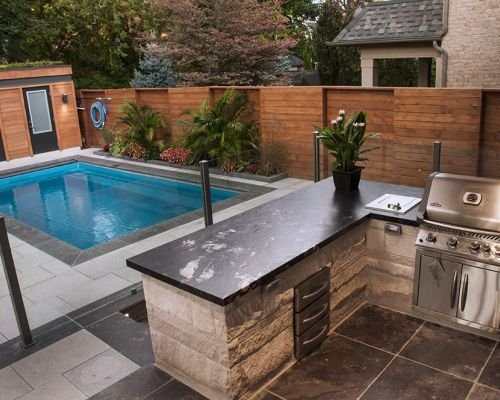
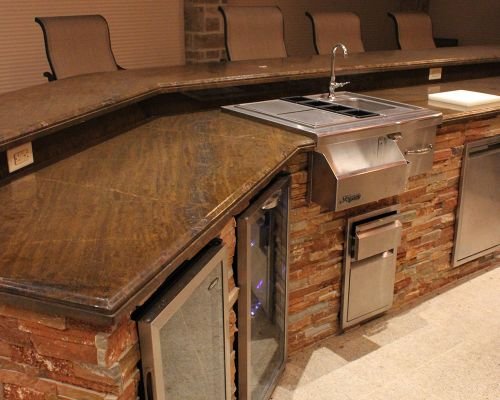
Modern amenities can further elevate the outdoor experience. Outdoor kitchens, fire pits, or water features extend usability and serve as focal points that invite gatherings year-round. Thoughtful lighting enhances safety and sets a mood, while eco-friendly hardscape materials like permeable pavers and recycled stone contribute to sustainability. The result is a space that’s not only beautiful but durable, energy-efficient, and adaptable to Toronto’s varying seasons.
Designing for both beauty and functionality means considering how the space will be used daily. Creating distinct zones allows for flexibility—whether hosting friends, enjoying quiet mornings, or tending to a garden. Selecting durable, eco-conscious materials ensures these features withstand Toronto’s climate while supporting sustainability goals. When all elements are integrated thoughtfully, the outdoor retreat becomes a place where style and practicality coexist, encouraging more outdoor enjoyment and connection with nature.
A well-designed outdoor space is a reflection of intentional planning and careful execution. It’s about more than aesthetics; it’s about creating an environment that feels inviting, supports diverse activities, and ages gracefully. By blending striking visuals with practical features, homeowners can craft yards that are both inspiring and highly livable. This balance invites ongoing use and enjoyment, transforming outdoor areas into true extensions of the home.
In the end, the best outdoor retreats are those that seamlessly combine form and function, inspiring daily use while maintaining their beauty. Thoughtful design choices—focusing on flow, focal points, amenities, and sustainability—make all the difference. When every element works in harmony, the yard becomes a personalized haven—an outdoor space that’s as practical as it is captivating, perfectly suited to Toronto’s climate and lifestyle.
Ensure Client Satisfaction Through Seamless Collaboration and Expert Installation
Ensuring client satisfaction from start to finish relies on clear communication and genuine collaboration. The process begins with listening carefully during the initial consultation, where understanding homeowners’ visions, lifestyles, and priorities is key. Asking targeted questions uncovers their true preferences—whether they’re drawn to lush gardens, modern hardscapes, or eco-friendly features. Sharing detailed plans, sketches, or visualizations early on keeps everyone aligned and invites valuable feedback, making clients feel heard and involved from the outset.
Throughout the installation, transparency fosters trust. Regular updates—whether through site visits, photos, or calls—help clients stay engaged and confident in the progress. When unexpected issues or changes arise, addressing them openly and involving homeowners in decision-making keeps the project moving smoothly. This collaborative approach transforms potential frustrations into opportunities for shared problem-solving, reinforcing the sense that their input remains central.
Flexibility is vital when weather delays, supply chain issues, or unforeseen challenges occur. Responding quickly with honest explanations and practical solutions shows that their priorities are still at the forefront. Clients who see their vision respected and adapted as needed develop stronger trust and feel more connected to the process. This communication turns what could be a stressful experience into an engaging journey, increasing their satisfaction and investment in the final result.
Paying attention to detail during every phase of installation also impacts satisfaction. Ensuring that plant placements, hardscape finishes, and other features match the approved plans creates a cohesive, polished look. Double-checking work and correcting any issues before project completion demonstrates pride in quality and craftsmanship. When homeowners witness their vision faithfully realized, their pride and happiness grow, making the yard not just a space but a personal reflection of their dreams.
Creating a seamless process extends beyond craftsmanship—it builds trust and rapport. When clients feel actively involved and respected, they are more likely to recommend your services or consider future projects. This journey from design to installation becomes a positive shared experience, leaving everyone feeling valued and appreciated. The final outdoor space then stands as a testament not only to quality but to a partnership rooted in clear communication and mutual respect.
Embrace Future Trends for a Greener, Personalized Outdoor Living Experience
The future of outdoor landscaping in Toronto is set to be shaped by a blend of innovative technology and a deepening commitment to sustainability. Reclaimed wood, recycled stone, and biodegradable materials will continue to define aesthetically pleasing and eco-friendly hardscapes that age gracefully. Smart systems, such as automated irrigation, energy-efficient lighting, and climate-responsive controls, are becoming more accessible, making it easier for homeowners to manage water and energy use effortlessly. These advancements not only reduce environmental impact but also simplify maintenance, allowing outdoor spaces to remain vibrant and functional year-round.
Native plants will remain central to sustainable design, but their role is expanding as climate-adapted species that require less water, fertilizer, and chemical treatments gain popularity. These resilient plants support local biodiversity and help create low-maintenance gardens that thrive amid Toronto’s changing weather patterns. Incorporating such species encourages a stronger connection to the natural environment and promotes ecological balance within urban landscapes, ensuring that yards remain lush and healthy over time.
Innovations in hardscape solutions, like modular permeable pavements and eco-friendly patios, are transforming the way we manage stormwater and urban heat. These features facilitate easier installation and customization while mitigating environmental issues such as runoff and heat islands. Renewable energy-powered lighting and heating systems are also gaining traction, blending style with energy-conscious functionality and allowing outdoor retreats to be enjoyed comfortably throughout the seasons.
Looking ahead, regenerative practices will take center stage, with landscapes designed to restore and support local ecosystems. Techniques such as soil health enhancement, rain gardens, and native plantings work together to foster biodiversity, improve water management, and reduce urban heat. These spaces transform from mere aesthetic escapes into vibrant ecosystems that nurture wildlife and contribute positively to Toronto’s ecological health, creating a sense of environmental stewardship among homeowners.
Personalization will become even more integral, as clients seek outdoor spaces aligned with their eco-conscious values. Advanced smart technologies, like apps that monitor water and energy consumption, will help homeowners maintain their landscapes sustainably while reflecting their unique styles. This trend toward tailored, environmentally responsible design encourages a deeper engagement with outdoor living, turning yards into personal expressions of both beauty and purpose.
As the landscape design community evolves, ongoing education and collaboration will be key. Sharing knowledge about new materials, native plants, and regenerative techniques will ensure designers and homeowners stay ahead of climate challenges and sustainability goals. The focus will consistently be on creating outdoor retreats that are not only visually stunning and functional but also resilient and supportive of local ecosystems. This approach promises to keep Toronto’s outdoor environments vibrant, healthy, and sustainable for generations to come.