Learning to ride a bike is more than just mastering a skill; it’s a profound rite of passage that embodies courage, perseverance, and the bonds of family. But does the fear of falling overshadow the thrill of independence? This heartfelt exploration reveals how families, communities, and innovations have shaped the timeless journey of cycling—from historical roots symbolizing freedom to modern practices emphasizing safety and confidence. It highlights how gentle encouragement, tailored techniques, and emerging technologies like smart gear and virtual training are transforming the way we teach and learn. As urban landscapes evolve to make riding easier and safer, the act of pedaling forward becomes a gateway to emotional growth, resilience, and lifelong habits. Could the future of cycling education and infrastructure unlock even greater opportunities for personal and societal progress? This narrative invites readers to consider how each wobble and fall paves the way for a world where independence, support, and adventure go hand in hand.
Celebrating the First Ride: A Childhood Rite of Passage and Family Bonding
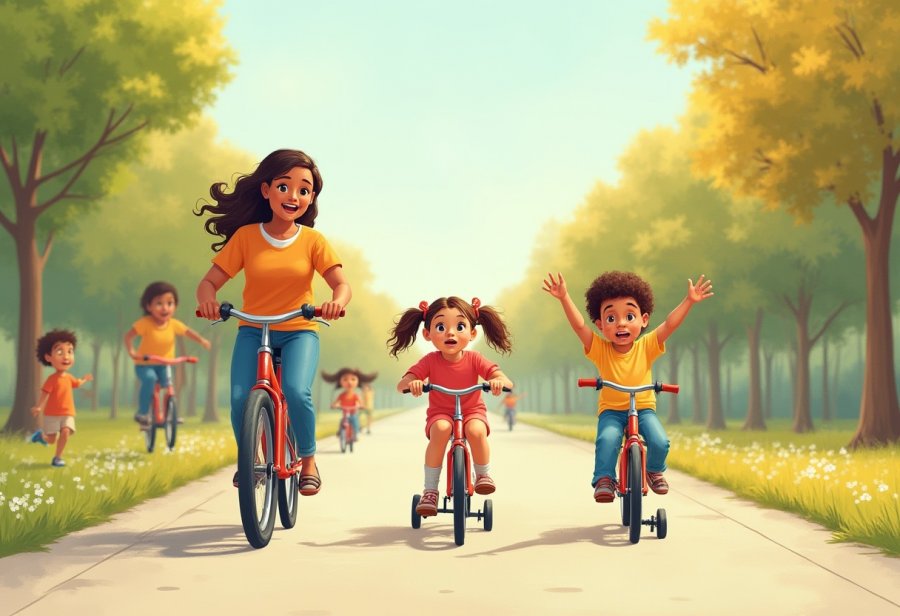
Learning to ride a bike is a milestone that marks more than just mastering a new skill; it’s a rite of passage that often defines childhood memories. For kids, that first wobble on two wheels can feel like stepping into a world of independence, where exploration and adventure become possible. It’s a moment of vulnerability, but also one of proud achievement, as they learn that falling is just part of the journey toward confidence.
Family plays a central role in making this experience meaningful. Whether a parent steadies the bike, a sibling offers encouragement, or a loved one cheers from the sidelines, these small acts of support turn a challenging task into a shared victory. In these moments, children learn that they are not alone in their struggles and that perseverance, combined with love and patience, can lead to success.
The process of learning to ride is about more than physical balance—it’s about cultivating courage. Kids discover that bumps and falls are not failures but steps toward mastery. Each wobble builds resilience, teaching them that effort and support turn fears into triumphs. When they finally pedal on their own, the sense of accomplishment is overwhelming, symbolizing their ability to overcome obstacles with help and determination.
This milestone often becomes a treasured family story, recounted with pride and nostalgia. Parents remember the first time they saw their child pedal unaided, faces lit with pure joy. Siblings and relatives share in the pride, knowing they contributed to that moment. These shared experiences deepen family bonds, reinforcing the idea that growth and independence are best celebrated together.
As children progress, riding a bike transforms from a skill into a symbol of independence. It opens doors to new adventures, whether exploring the neighborhood or joining friends on a ride. The courage to get back up after a fall, to keep trying despite setbacks, becomes a lifelong lesson rooted in that first ride. It’s a reminder that perseverance and support are keys to unlocking new horizons.
Learning to ride also embodies emotional growth. Kids learn that facing fears, trusting others, and trying again are vital parts of life. The shared journey of getting on two wheels teaches resilience, patience, and confidence—qualities that extend far beyond childhood. It’s a moment that shapes their outlook on challenges and opportunities alike.
Ultimately, the significance of learning to ride a bike goes beyond the mechanics of pedaling. It’s about discovering that with a little courage and a lot of support, children can conquer fears and embrace independence. These early lessons in perseverance and trust lay the foundation for a future where confidence and resilience continue to grow, propelled by the simple joy of riding free.
Bicycles Through Time: Cultural Legends and Societal Shifts in Riding
The story of learning to ride a bike is deeply woven into the fabric of many societies, reflecting shifts in technology, culture, and social values over time. When bicycles first appeared in the early 19th century, they quickly became symbols of freedom and progress, embodying a new way to explore the world. As the decades passed, cycling evolved from a simple means of transportation into a social and cultural phenomenon. Cycling clubs and races in the late 1800s turned bikes into tools for community building, competition, and national pride, illustrating how deeply intertwined bicycles are with societal development.
Different cultures embraced riding in unique ways. In the Netherlands, bikes became a daily necessity, shaping urban design and social interaction around cycling. Meanwhile, in countries like Japan and China, bicycles fueled economic growth by enabling faster commuting and supporting urban expansion. These examples show that learning to ride isn’t just a childhood milestone; it mirrors broader societal shifts toward mobility, independence, and modernization.
The development of bicycles themselves is a story of innovation. Early models like the “laufmaschine” of 1817 laid the groundwork, but it was the introduction of pedal-powered velocipedes and rubber tires in the 1860s and 70s that made riding more comfortable and accessible. The safety bicycle, with its chain drive and equal-sized wheels, emerged in the late 1800s, revolutionizing personal mobility and making cycling a common activity worldwide. Beyond practicality, bikes started to symbolize independence, self-reliance, and the desire to explore new horizons.
As bicycles grew in popularity, so did the methods for teaching others to ride. Families relied on informal techniques—parents holding onto bikes or running alongside children—until structured approaches like balance bikes emerged. These innovations emphasized safety and ease, making it easier for people of all ages to learn without fear. Media and pop culture further reinforced riding as a symbol of growth and freedom, with scenes from movies and stories shared on social media celebrating milestones and victories.
Throughout history, cycling has often been associated with social movements and moments of change. The first Tour de France in 1903 showcased human endurance and determination, elevating cycling into a global sport. Post-war periods saw bikes become vital for rebuilding communities, especially in regions devastated by conflict. Movements advocating for women’s independence used cycling as a way to challenge societal norms, emphasizing freedom and equality. Today, bike-sharing programs and cycling festivals continue this legacy, highlighting the enduring power of the bicycle as a symbol of resilience and progress.
In essence, the evolution of cycling reflects more than just technological advances; it mirrors our collective aspirations for freedom, connection, and growth. Learning to ride a bike has historically signified stepping into independence and community, a theme that continues to resonate worldwide. From early innovations to modern urban infrastructure, the bicycle remains a universal emblem of mobility—an enduring reminder that progress often begins with a simple act of putting one foot in front of the other, or in this case, pedal after pedal.
Riding in the Modern Age: Innovative Techniques and Societal Attitudes
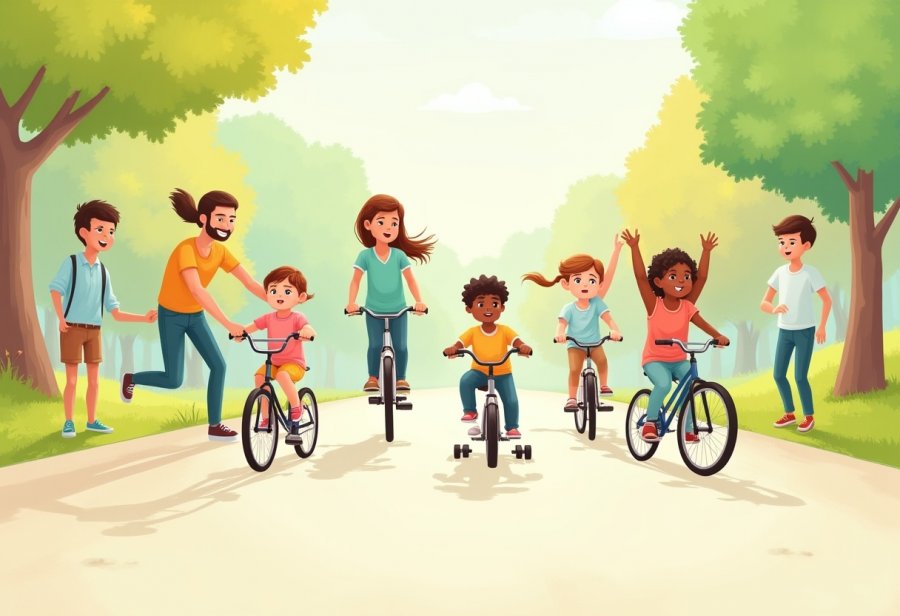
Today, learning to ride a bike blends time-honored techniques with innovative tools designed to make the process safer and more enjoyable. One of the most popular recent innovations is the balance bike—these pedal-free bikes help children focus on mastering balance and steering before they move on to pedaling. This approach often makes the transition to a regular bike smoother, reducing frustration and boosting confidence from the start.
Safety has become a central focus in modern cycling education. Helmets, knee pads, and elbow pads are now standard gear, encouraging beginners to practice more freely without fear of injury. Alongside protective equipment, communities have improved infrastructure—adding dedicated bike lanes, safe practice zones, and accessible bike-sharing programs—that make cycling more inviting for learners of all ages. These changes reflect a societal shift that views cycling as a healthy, eco-friendly mode of transportation, not just a childhood pastime.
Educational methods have evolved as well. Instructors now emphasize gradual skill development—starting with balancing, then progressing to pedaling, steering, and braking. Visual aids like videos or live demonstrations help learners understand mechanics before trying them out, making the process less overwhelming. Programs tailored to different ages and skill levels foster a sense of achievement and confidence, helping riders progress at their own pace.
Modern environments support safe, engaging practice. Soft surfaces like grass or rubberized tracks allow beginners to fall without injury, while designated cycling zones help adults hone their skills away from traffic stress. Cities are increasingly promoting cycling as part of daily routines by installing extensive bike lanes and sharing schemes, making riding a natural, accessible activity for everyone.
Advances in technology continue to shape how we teach and learn to ride. Smart helmets equipped with sensors provide real-time feedback on posture and technique, guiding riders to correct errors immediately. Apps and virtual coaching platforms offer personalized training plans, track progress, and motivate learners through interactive features. This digital support makes cycling education more engaging, especially for those who might feel self-conscious or overwhelmed.
Looking toward the future, innovations like virtual reality simulations are poised to revolutionize training. These immersive experiences allow beginners to practice navigating traffic or scenic trails in a safe, virtual setting, easing anxiety and building confidence before stepping onto real roads. Cities are investing in infrastructure that prioritizes safety and accessibility, further lowering barriers for new riders.
As a result, learning to ride is becoming more seamless and inviting than ever. Technological advances, supportive environments, and changing cultural attitudes are transforming cycling from a childhood milestone into a lifelong habit. With these developments, more people will experience the joy, health benefits, and environmental impact of riding a bike, making it an integral part of daily life and personal growth.
Empowering Beginners: Expert Strategies to Teach and Support New Riders
Teaching someone to ride a bike successfully hinges on patience, encouragement, and tailoring your approach to their individual needs. Start by assessing their confidence level—whether they need a balance bike, training wheels, or just a safe open space to practice. Breaking the process into small, manageable steps keeps it less intimidating. Focus first on helping them find their balance, perhaps using a balance bike or removing pedals to build that crucial skill before gradually introducing pedaling, steering, and braking.
Positive reinforcement is key throughout the journey. Celebrate even the smallest wins, like maintaining balance for a few seconds or riding a short distance. These moments boost confidence and motivate continued effort. Sharing your own early struggles or successes can normalize setbacks and make the learning process feel less daunting. Be patient and flexible—progress varies from person to person, and setbacks are part of growth. Reassure them that falling isn’t a failure but a natural step toward mastery, emphasizing resilience and persistence.
Creating a supportive environment makes a big difference. Practice on soft surfaces like grass or in designated bike zones to minimize injuries and foster a sense of safety. Keep sessions short and fun to prevent fatigue or frustration, gradually increasing riding distance and complexity as confidence grows. Always prioritize safety gear—helmets, knee pads, and elbow pads—to help learners feel protected and willing to practice openly. This steady, step-by-step approach helps build skills at their own pace while making the experience enjoyable.
Technique matters just as much as progress. Demonstrate proper posture, such as looking ahead rather than down, and teach smooth braking and confident steering. Modeling calm, controlled riding encourages learners to mimic these behaviors. Offer gentle corrections instead of criticism, which builds trust and keeps the atmosphere positive. The goal is to make riding a bike a confidence-building activity that fosters independence while emphasizing safety and fun.
For older children or adults, personalized coaching can speed up progress. Use visual demonstrations, hands-on guidance, or video feedback tailored to their learning style. Break down skills into simple tasks, celebrate each milestone, and remind them that setbacks are normal. Patience and support are essential, helping overcome fears and making the journey to confident riding smoother and more rewarding.
Maintaining a calm, encouraging presence throughout the process sets the stage for success. Every small step forward signals progress, and each wobble or fall becomes a valuable lesson rather than a setback. Consistent support helps learners not only master riding but also develop resilience and confidence that will benefit them beyond cycling. This supportive approach creates a positive experience, making learning to ride an empowering and joyful milestone that lasts a lifetime.
Cycling Ahead: Emerging Trends and Future Innovations in Bike Education and Culture
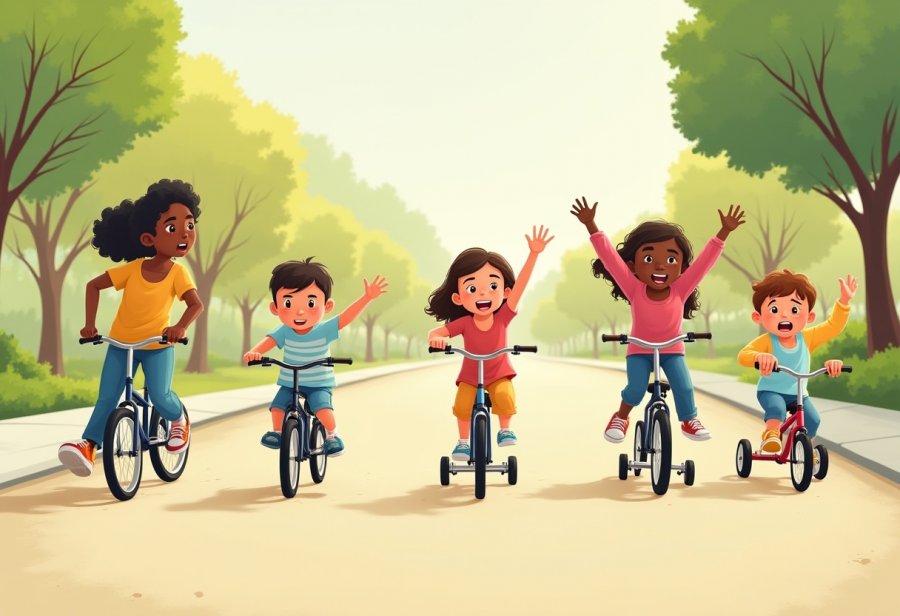
Looking ahead, the future of cycling education is poised to become more innovative and accessible than ever before. Smart bikes equipped with sensors are starting to provide real-time feedback on balance, posture, and technique, helping beginners build confidence faster and safer. Virtual and augmented reality are also emerging as powerful tools, allowing new riders to simulate traffic, scenic trails, or urban environments from the safety of a controlled setting. These immersive experiences help ease anxiety and prepare learners for real-world riding, making the transition from practice to outdoor cycling smoother and less intimidating.
Meanwhile, cities around the world are investing heavily in infrastructure that encourages cycling. Dedicated bike lanes, safe practice zones, and bike-sharing schemes are becoming increasingly common, transforming cycling from a leisure activity into a practical daily habit. These improvements not only boost safety but also normalize riding as a routine part of urban life, especially for commuters and newcomers. As awareness about health, sustainability, and personal mobility continues to grow, cycling is gaining recognition as an essential component of modern transportation systems.
Digital platforms are expanding access to cycling education, offering tailored guidance through apps, online tutorials, and virtual coaching. These resources make learning more flexible and inclusive, catering to all ages and skill levels. Social media amplifies stories of early rides and milestones, fostering a supportive community that celebrates progress and perseverance. This connected approach encourages more people to take up cycling, breaking down barriers of fear and uncertainty that might have previously held them back.
Safety innovations are evolving in tandem with these trends. Impact-absorbing helmets, reflective clothing, and integrated safety sensors are making cycling safer than ever. Wearables can alert riders to hazards or remind them to check their equipment, boosting confidence and reducing the fear of accidents. As these technologies become more affordable and widespread, they lower the barriers for hesitant riders and expand the cycling community to include everyone, regardless of age or experience.
With ongoing advancements, learning to ride a bike will become more seamless and engaging. Virtual reality simulations, smart safety gear, and smarter urban planning will all contribute to a future where cycling is easy to pick up at any age. These innovations will foster a culture that values mobility, health, and sustainability, making the bike an even more integral part of daily life. As barriers fall and opportunities grow, more people will experience the freedom and joy that come with mastering two wheels.
The trajectory of cycling’s evolution suggests a world where riding is not just a childhood milestone but a lifelong habit rooted in confidence and resilience. As technology and infrastructure continue to advance, cycling will become more inclusive, safe, and inviting. This ongoing shift will inspire new generations to embrace the bike as a symbol of independence and progress, helping to shape healthier, more connected communities worldwide.