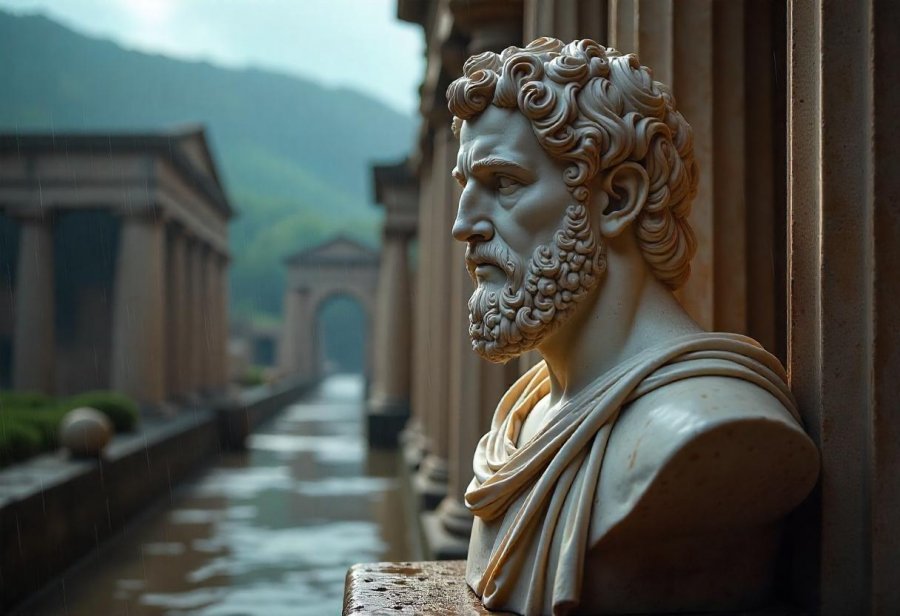
What truly defines strength in leadership? Is it the ability to conquer lands and command armies, or does genuine power lie within—rooted in discipline, wisdom, and self-control? Marcus Aurelius, the Roman emperor and Stoic philosopher, exemplified this inner resilience, governing an empire while maintaining unwavering moral clarity amid wars, plagues, and political upheaval. This exploration challenges the traditional view of power, suggesting that lasting influence stems from mastering oneself rather than external accomplishments. Inner discipline—cultivated through daily reflection, patience, and mindfulness—becomes a quiet yet formidable force that sustains us through chaos. As we examine Aurelius’s legacy, we are invited to reconsider what it means to lead and to ask: Could the highest form of strength be an unshakeable inner core, capable of guiding us through life’s storms with dignity? Ultimately, true power may reside not in conquest, but in the mastery of our own minds and spirits.
Inner Power Versus External Conquest: Redefining True Strength
What truly makes a ruler powerful? Is it the ability to expand territories, command armies, or sway entire populations? Or could real strength lie elsewhere—within the inner realm of discipline, wisdom, and self-control? For centuries, leaders and thinkers have debated whether external achievements define true power or if an internal resilience holds greater significance. Recently, this question has gained fresh relevance as we recognize that lasting influence often depends less on fleeting victories and more on the steadiness of one’s character.
Historically, many have equated strength with visible displays of force—conquests, titles, or possessions. Yet, these external signs can be fragile, easily lost when circumstances shift. Inner discipline, by contrast, involves mastery over impulses, emotions, and judgments. It’s about cultivating patience, moral clarity, and resilience—traits that remain steady regardless of external chaos. This shift from valuing external success to internal virtue challenges the traditional view of power, suggesting that the most enduring leaders are those who govern themselves first.
The idea that inner strength surpasses external conquest isn’t new. Philosophers and sages have long emphasized that true power stems from self-mastery. Marcus Aurelius, the Roman emperor and Stoic philosopher, exemplified this principle. His leadership was marked not only by military victories but by his unwavering commitment to virtue and self-control. Even amid wars, plagues, and political unrest, he maintained a calm, moral center—an inner fortress that no external threat could shatter. His legacy suggests that true strength is rooted in governing one’s mind and spirit, not just armies and empires.
This perspective invites us to reconsider what it means to be powerful. External achievements may impress in the moment, but they are often temporary. Inner discipline, however, provides a stable foundation that endures through crises and upheavals. Leaders who prioritize moral integrity and self-control earn genuine respect and trust, qualities that leave a lasting imprint. In a world obsessed with outward success, this quiet strength offers a different kind of influence—one that’s more durable and deeply rooted in character.
The debate isn’t about dismissing external power altogether but about recognizing its limits. External conquest can be impressive, yet it often depends on circumstances beyond one’s control. Inner discipline, by contrast, creates an unshakeable core—something that remains intact even when external conditions are hostile. This inner resilience forms the true backbone of authentic leadership, guiding us through adversity with clarity and moral steadiness. It’s a reminder that the most profound strength comes from within.
Foundations of Inner Discipline: Wisdom and Virtue as Leadership’s Bedrock
Inner discipline is the foundation of genuine strength. It’s about mastering ourselves—controlling impulses, managing emotions, and cultivating wisdom that guides our choices. Unlike external displays of power, which rely on force or influence, inner discipline creates a steady, resilient mind capable of facing life’s challenges with clarity and calm. When we develop this inner strength, it becomes a quiet but powerful force that sustains us through adversity and uncertainty.
The concept of the philosopher king encapsulates this idea perfectly. A true leader governs not just with authority but with wisdom, self-awareness, and moral integrity. Marcus Aurelius exemplifies this ideal. His reign was marked not only by military and political achievements but also by his commitment to Stoic virtues. He believed that leading from within—by governing oneself first—produces a stable foundation that remains steady even amid chaos. Inner mastery becomes the bedrock of authentic leadership.
Inner discipline involves controlling thoughts, emotions, and impulses. It’s about practicing patience, developing self-awareness, and acting with moral clarity instead of reacting impulsively. These qualities help us stay steady in stressful moments and enable wiser decision-making. Such strength, subtle yet enduring, builds trust because it signals reliability and integrity. When leaders embody this discipline, their influence extends beyond superficial victories, rooted in character rather than external power.
Throughout history, philosophers like the Stoics have emphasized that virtue and self-control are true sources of power. They argued that external successes—like wealth or military might—are often superficial and fragile. Inner resilience, by contrast, offers a stable, unshakable core that endures through chaos and upheaval. This shift from external conquest to internal mastery reflects a deeper understanding: lasting influence depends on who you are inside.
The idea of wisdom over conquest challenges the common perception that strength is about controlling others. Instead, it suggests that controlling oneself—over impulses, emotions, and judgments—is the highest mastery. Leaders who embody this inner discipline act with integrity and clarity, inspiring loyalty through moral authority. Their influence is rooted in character, making it more durable than any external display of dominance.
Marcus Aurelius, as a prime example, faced wars, plagues, and political unrest, yet he remained committed to Stoic principles. His writings, especially in Meditations, reveal a leader dedicated to inner resilience and virtue. This inner strength allowed him to lead with dignity amid chaos, proving that true power lies in self-control and moral clarity rather than external victories. His legacy underscores that genuine leadership starts from within.
Building inner discipline isn’t about perfection but persistent effort. Small habits like reflection, mindfulness, and routine gradually reinforce resilience and moral clarity. Over time, these practices shape a character capable of responding thoughtfully rather than reacting impulsively. This ongoing commitment transforms discipline into a natural part of daily life, creating a steady inner core that supports authentic leadership and personal growth.
The Transformative Influence of Self-Control and Moral Clarity
Inner discipline shapes leadership and personal power in profound ways. When a leader cultivates self-control and moral clarity, they create a foundation of trust and authenticity that external accomplishments alone can’t provide. This inner strength allows them to remain steady amid chaos, earning respect not through dominance but through consistency and integrity. Such leaders project calm and confidence, inspiring others to follow willingly, especially when external pressures mount. Their influence is rooted in who they are inside, making their authority more durable and genuine.
For individuals, inner discipline acts as a shield against setbacks and impulsive reactions. It fosters resilience, enabling people to handle stress and adversity without losing sight of their core values. When you govern your emotions and impulses, decision-making becomes clearer and more deliberate. This internal steadiness not only helps navigate challenges but also cultivates trust from others, who recognize a leader or peer committed to moral principles rather than fleeting external rewards. This kind of consistent integrity builds a reputation that endures beyond temporary successes.
History offers numerous examples of how inner discipline elevates true leadership. Marcus Aurelius, faced with wars, plagues, and political unrest, remained unwavering in his Stoic virtues. His writings reflect a leader who prioritized self-mastery, moral clarity, and inner resilience over external dominance. His ability to govern himself amid turmoil earned him a moral authority that outlived many of his military or political achievements. Such examples reinforce the idea that genuine influence stems from within, not from external conquests or titles.
This internal focus also deepens the connection between morality and leadership. Leaders who act from a place of inner discipline align their actions with their values, fostering loyalty and respect. Their influence becomes rooted in character, making it more sustainable than superficial displays of power. Over time, this moral authority creates a legacy built on trust and authenticity—qualities that withstand external upheavals and fleeting trends. True strength, then, emerges from the consistency of one’s inner virtues rather than external validation.
Practicing inner discipline is a continuous process. It involves daily habits—reflection, mindfulness, patience—that strengthen mental resilience and moral clarity. Over time, these habits become second nature, enabling us to respond thoughtfully rather than react impulsively. This steady cultivation of character transforms discipline from a fleeting virtue into a core trait, forming an unshakeable inner core that supports authentic leadership and personal growth. In the end, true power lies in this inner resilience—a quiet strength that guides us through life’s storms with unwavering steadiness.
Cultivating Inner Resilience: Practical Steps Toward Lasting Leadership Strength
Cultivating inner discipline starts with simple, intentional practices that gradually build resilience and self-awareness. Incorporating daily habits like mindfulness meditation, journaling, or quiet reflection helps you notice your thoughts and emotional triggers more clearly. When you become aware of impulses and reactions, it becomes easier to pause and choose a thoughtful response instead of reacting instinctively. Over time, these habits strengthen your inner strength and create a sense of stability that underpins genuine leadership.
Managing setbacks with patience and humility further nurtures resilience. Techniques such as mindful breathing or visualization prepare your mind to face adversity calmly. Visualizing difficult scenarios and rehearsing your response can reduce anxiety and reinforce your capacity to remain composed. Consistent mental exercises like these develop the fortitude necessary to stay centered during stressful moments—an essential aspect of inner discipline.
Building routines that reinforce self-control and clarity also makes a difference. Waking up early to set intentions, dedicating time for reflection, or practicing gratitude are small acts that embed discipline into daily life. These routines become anchors, helping you respond with reason rather than impulse, especially in challenging circumstances. The key isn’t perfection but persistent effort—each small step adds to a more resilient, centered self.
Fostering a growth mindset turns obstacles into opportunities for strengthening inner resilience. Viewing setbacks as lessons rather than failures encourages patience, humility, and moral clarity. This perspective transforms adversity into a training ground, helping you develop mental toughness and emotional steadiness. With time, this approach cultivates an unshakable inner core that supports authentic leadership and personal growth.
Engaging with resources like Stoic writings, modern self-help guides, or mindfulness practices accelerates your progress. Reading Marcus Aurelius’s Meditations or practicing guided meditations can provide valuable insights and motivation. Connecting with mentors or communities focused on inner development offers accountability and encouragement, making the journey more sustainable and meaningful.
Consistency remains vital. Developing self-mastery is not about occasional bursts of effort but about daily commitment. Small acts—pausing before responding, practicing gratitude, or reflecting on your actions—compound over time. These habits reinforce your ability to stay calm and clear-headed, turning discipline into a natural part of your character.
Remember, this is a lifelong journey. Each day offers new opportunities to refine your inner resilience. The discipline cultivated today becomes the strength that sustains you through future challenges. By focusing on continuous growth and self-awareness, you build a steady inner core that supports authentic leadership rooted in virtue.
Ultimately, nurturing inner discipline transforms how we lead and live. It creates a quiet but unshakable strength that guides us through chaos with moral clarity and calm resolve. Small, consistent efforts today will shape a resilient character capable of inspiring trust and respect long into the future. Inner discipline becomes not just a tool for personal mastery but a foundation for lasting influence and genuine power.
Embracing Inner Discipline: The Path to Enduring Power and Lasting Legacy
Inner discipline forms the quiet foundation of genuine strength. It’s the internal quality that sustains us through life’s inevitable challenges, far more reliable than external achievements or possessions. When we learn to govern our thoughts, emotions, and impulses, we create a steadiness that others can sense and trust. This inner resilience becomes the core of authentic leadership and personal growth, guiding us when external circumstances grow chaotic or unpredictable.
Developing this discipline isn’t about perfection but consistent effort and self-awareness. Small daily practices—such as reflection, mindfulness, or patience—gradually strengthen our inner core. Over time, these habits build resilience that doesn’t waver when faced with setbacks. This kind of strength, rooted in moral clarity and character, inspires respect and loyalty more deeply than superficial wins or displays of power. It’s a slow process, but one that yields lasting influence and a deep sense of inner peace.
Looking to figures like Marcus Aurelius, we see how inner resilience can withstand even the most turbulent times. Despite wars, plagues, and political unrest, he remained committed to self-mastery and Stoic virtues. His writings reveal a leader who prioritized inner virtue over external conquest, demonstrating that true power comes from governing oneself amid chaos. His legacy shows us that genuine strength is rooted in moral integrity and self-control, not fleeting external victories.
This journey of cultivating inner discipline isn’t complete without patience. It’s about daily acts of reflection, intentionality, and humility. Each small step—whether pausing before reacting or practicing gratitude—adds up, forging a resilient character that can face future storms with steadiness. Over time, these habits transform discipline from a fleeting virtue into a natural part of who we are, supporting us through adversity and guiding our actions with clarity.
The path forward involves embracing continuous growth. Each challenge becomes an opportunity to deepen our inner resilience, turning setbacks into lessons rather than failures. This mindset shifts our perspective from seeking external validation to building a well of inner strength that remains unshaken regardless of external circumstances. As we invest in this inner work daily, we lay a foundation for authentic influence, rooted in integrity and moral clarity.
In the end, developing inner discipline is a lifelong pursuit that shapes not just how we lead, but how we live. It’s about creating a steady inner core that can withstand the chaos of the world and stay true to our principles. Each effort, no matter how small, reinforces this resilience—building a character capable of inspiring trust, loyalty, and lasting impact. Inner strength, cultivated day by day, becomes the true measure of our power and the legacy we leave behind.