Step into the intimate world of the backyard mechanic, where passion transforms a simple garage into a sanctuary of craftsmanship and resilience. This space isn’t just for fixing cars—it’s a haven where patience, skill, and creativity collide as vintage machines are reborn. But what secrets lie behind this ritual of restoration? As technology advances and community bonds strengthen, these personal workshops evolve, blending tradition with innovation. From meticulous organization to eco-friendly practices, every detail fuels a deeper connection to a timeless craft. The future promises smarter tools, greater accessibility, and a cultural shift that celebrates manual skills amid a fast-paced digital age. Could your garage become the next legendary workshop—an inspiring space where stories of perseverance and revival are born? Delving into this world reveals a compelling narrative of passion, history, and the unyielding pursuit of mastery, inviting enthusiasts to explore the magic hidden behind every bolt turned.
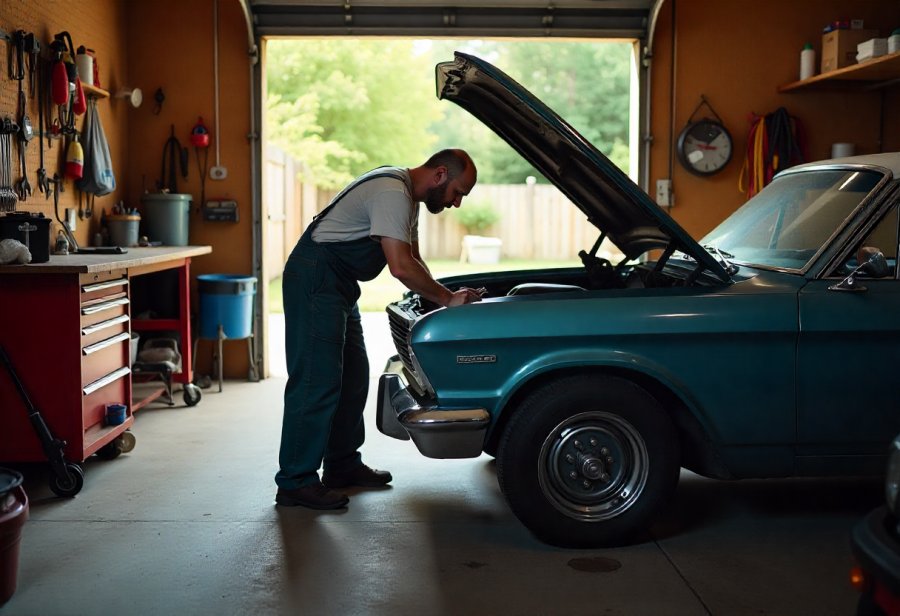
Discover the Sanctuary of Passion in Your Personal Garage
A personal garage is more than just a space to park a car; it’s a sanctuary where passion for craftsmanship comes alive. For many backyard mechanics, this area transforms into a refuge—a dedicated zone where they can focus on projects without distractions. It’s a place where old engines are brought back to life, vintage parts find new purpose, and the love for mechanical puzzles deepens with each turn of the wrench. The garage becomes a personal retreat, a space filled with tools, parts, and memories, each telling a story of a restoration journey or late-night fix.
This space often reflects the personality and dedication of its owner. Organized chaos reigns—a jumble of tools, parts, and projects that may look cluttered but are perfectly arranged in the mechanic’s mind. There’s a comforting scent of oil and grease lingering in the air, mingling with the hum of power tools and the rhythm of hands-on work. It’s a place where patience is tested and skills are honed, a setting that nurtures both creativity and perseverance.
Beyond the practical, these garages hold a deeper significance. They serve as symbols of perseverance, where hours of effort turn into a sense of pride and accomplishment. Each completed project reinforces a connection to a tradition of manual craftsmanship, passing down stories and skills across generations. For some, it’s about preserving automotive history, breathing new life into vintage cars that might otherwise fade away.
The appeal also lies in the control it offers. Unlike professional shops, a backyard garage is a space where you set the pace. Whether working late into the night or taking a slow, meticulous approach, it’s about enjoying the process. Mistakes are part of learning, and every small victory fuels the passion to keep going. This sense of ownership turns the garage into a personal sanctuary—a place where the transformation from rusted shell to shining masterpiece feels almost magical.
For many enthusiasts, the garage isn’t just a workspace; it’s a community hub. Local clubs, online forums, and shared stories foster a sense of belonging. Advice is exchanged, successes celebrated, setbacks understood. In this shared space, the love for vintage cars and craftsmanship unites people from all walks of life, creating bonds that extend beyond the driveway.
Ultimately, the backyard mechanic’s garage embodies more than mechanical work. It’s about reclaiming control, expressing creativity, and reconnecting with a timeless tradition of craftsmanship. In that humble space, each project is a story of patience, skill, and passion—an ongoing journey of revival that keeps the spirit of manual work alive and thriving.
Tracing the Roots: How Garage Restoration Evolved into a Cherished Hobby
The roots of garage restoration and vintage car revival stretch back decades, evolving from simple maintenance routines into a passionate hobby that many enthusiasts cherish today. In the early days, owning a car often meant relying on your own skills to keep it running, repairing minor issues in the driveway or garage because professional repair shops weren’t always nearby or affordable. This hands-on approach laid the groundwork for what would become a broader movement of DIY restoration, transforming the garage into a personal workshop dedicated to preserving automotive history.
Over time, these spaces shifted from basic storage areas into dedicated hubs of craftsmanship. Car owners began seeing their garages not just as places to park but as workshops for restoring and maintaining vintage models. This shift turned a casual interest into a full-fledged hobby, fueled by community clubs, swap meets, and later, online forums. These platforms spread techniques, advice, and stories, creating a shared sense of purpose among hobbyists and inspiring more ambitious projects.
Technological advances played a significant role in this growth. Power tools became more affordable and reliable, making complex tasks like engine rebuilding or bodywork accessible to amateurs. Restoration manuals and kits emerged, simplifying sourcing parts and guiding projects from start to finish. These innovations lowered the barriers for backyard mechanics, allowing them to take on projects once considered out of reach and fueling the hobby’s expansion.
In recent years, social media and video-sharing platforms have given garage restoration a new level of visibility. Enthusiasts now showcase their progress, exchange tips, and celebrate successes with a global audience. Vintage car shows and local meetups continue to reinforce the appeal of turning rusted shells into shining classics. This widespread enthusiasm highlights how the hobby has transitioned from a niche activity into a vibrant, interconnected community centered around craftsmanship and nostalgia.
Prominent figures like Jay Leno have helped elevate the hobby’s profile, demonstrating that restoration is more than a weekend pastime—it’s a lifelong pursuit. Their stories showcase the skills, patience, and passion needed, inspiring new generations to get involved. Today, the garage revival persists, driven by a collective love for craftsmanship, a desire to preserve history, and the joy of transforming old machines into works of art, ensuring this tradition endures for years to come.
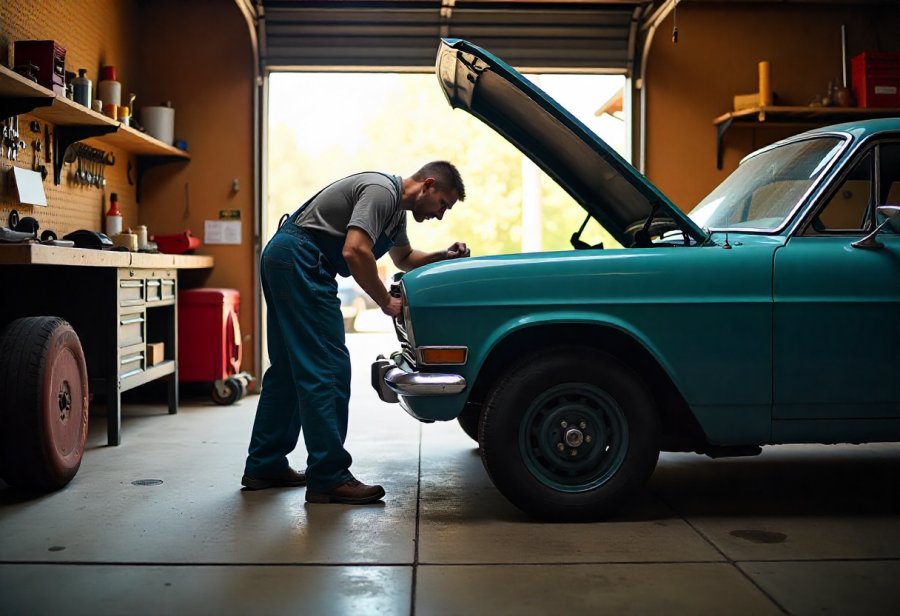
Mastering the Fundamentals: Core Principles for Successful Garage Revival
At the core of a successful garage restoration lies a few guiding principles that ensure each project moves forward smoothly and results in a machine that truly shines. Patience is fundamental—restoring vintage vehicles isn’t a race but a meticulous process that demands careful planning and steady effort. Rushing through steps can lead to mistakes or overlooked details, so taking your time helps preserve the true character of the car and prevents costly errors.
Attention to detail makes all the difference. Small adjustments, precise measurements, and careful reassembly elevate a project from mere functionality to craftsmanship. Respecting the original design and ensuring every part fits perfectly results in a machine that not only looks good but runs reliably. Cultivating patience and meticulousness transforms a chaotic workspace into a workshop where craftsmanship can thrive.
Organization is equally vital. A cluttered garage hampers progress and makes it difficult to find the right tools or parts when you need them most. Creating a dedicated, well-organized environment—labeling bins, hanging tools, and establishing clear work zones—streamlines your workflow and keeps the focus on the task. Being resourceful and adaptable also matters; improvising with available materials or sourcing rare parts creatively can save time and money, turning your garage into an efficient, inspiring space.
A mindset of continuous learning fuels confidence and growth. Whether consulting manuals, watching online tutorials, or engaging with fellow hobbyists, staying curious and open to new techniques keeps your skills sharp. Each project presents unique challenges, and the ability to adapt and learn from mistakes separates seasoned restorers from novices. Sharing knowledge with a community of enthusiasts not only broadens your perspective but also keeps the passion alive.
Understanding key terms like restoration, engine rebuild, or vintage revival helps you communicate clearly and follow guides more effectively. This shared language simplifies collaboration and keeps your project aligned with your goals. Breaking tasks into manageable steps—assessing the machine, disassembling carefully, documenting progress—makes even complex restorations approachable and less overwhelming.
Addressing rust and corrosion early is crucial. Simple tools like wire brushes, sanders, and rust converters can make a significant difference. For example, treating metal surfaces with rust converter and sanding before repainting restores their integrity and appearance. Always prioritize safety—wear gloves, masks, and eye protection—since working with chemicals and dust can be hazardous. Tackling rust promptly prevents further damage and keeps your project looking sharp.
Finally, patience and persistence are the backbone of any revival. Challenges like electrical issues or mechanical setbacks test your resolve, but seeking advice from tutorials or fellow enthusiasts can turn obstacles into learning moments. Maintaining a positive mindset and staying committed transforms your garage from a cluttered storage space into a sanctuary of craftsmanship—where old machines are reborn through skill, care, and a lot of passion.
Hands-On Strategies and Practical Tips for Your Restoration Projects
Transforming your garage into an efficient workshop begins with a focus on organization. Clearing clutter and establishing designated zones for different tasks—whether it’s engine work, body repairs, or parts storage—creates a workspace that encourages focus and smooth workflow. Using pegboards to hang frequently used tools and labeling bins for small parts keeps everything within easy reach, reducing frustration and saving time during busy projects. A tidy environment not only streamlines your work but also boosts your motivation.
Investing in quality hand tools is essential for any restoration. A reliable set of wrenches, screwdrivers, pliers, and a torque wrench can handle most tasks with confidence. Good tools make disassembly and reassembly smoother, especially when working on engine components or delicate bodywork. Building your toolkit gradually allows you to expand your capabilities without overspending, turning your garage into a well-equipped workshop tailored to your project needs.
Following detailed manuals and step-by-step guides tailored to your specific vehicle makes a significant difference. These resources break complex procedures like engine rebuilds into manageable steps. Taking photos or notes during disassembly helps document the process, making reassembly more straightforward and reducing the risk of mistakes. This careful approach builds confidence and ensures your restoration stays on track.
Rust and corrosion are common hurdles in vintage restoration. Simple tools like wire brushes, sanders, and rust converters can make a big impact. For example, applying a rust converter followed by sanding restores metal surfaces before repainting, giving your project a fresh look. Always prioritize safety by wearing gloves, masks, and eye protection when working with chemicals or dust. Addressing rust early prevents further damage and keeps your project looking sharp and professional.
Electrical systems and mechanical components often present tricky challenges. Watching online tutorials or joining local enthusiast groups provides quick solutions and practical advice. If your engine refuses to start after reassembly, a quick search or a call to a fellow hobbyist might reveal a wiring mistake or a simple fix. Embracing these resources turns setbacks into learning moments and keeps your project moving forward with confidence.
Adding personal touches to your workspace makes a big difference. Good lighting, vintage signs, or even playing music can turn your garage into an inviting environment. A comfortable, inspiring setup helps you stay motivated during long sessions and sparks creativity. Remember, this space is your sanctuary—a place where craftsmanship and passion come together to bring your projects to life. Connecting with other enthusiasts through forums or local meetups further enriches the experience, offering support and fresh ideas that keep your restoration journey exciting and fulfilling.
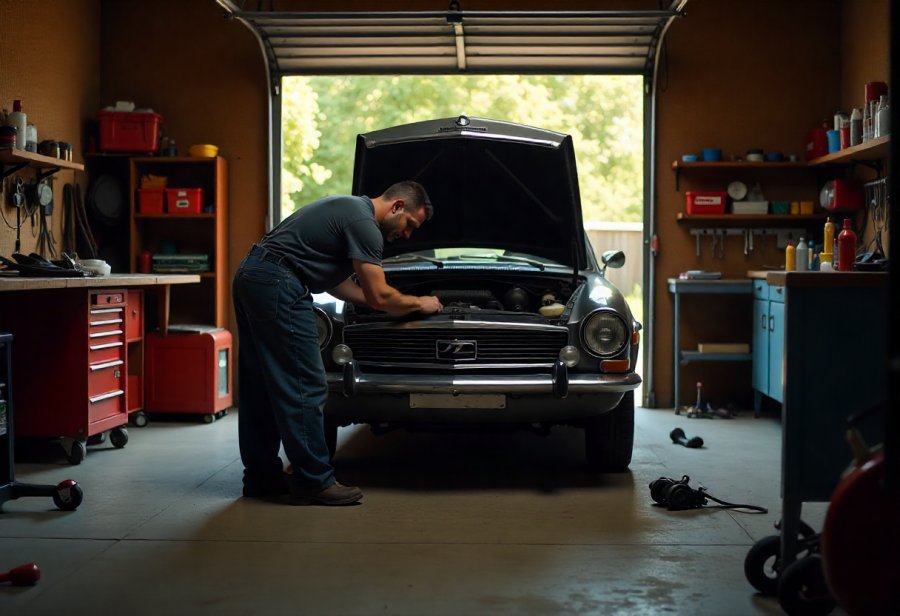
Embracing Innovation and Tradition: The Future of Home-Based Car Restoration
The future of the backyard garage as a hub of passion and craftsmanship looks brighter than ever. Technological advancements are lowering barriers, making complex restoration projects more accessible to home enthusiasts. From digital tools like 3D printing parts to online tutorials that guide even novices through intricate procedures, the tools for revival are more available than ever. This shift empowers backyard mechanics to take on ambitious projects, transforming their garages into true sanctuaries of skill and creativity.
Sustainability is also gaining momentum within the restoration community. Many hobbyists are embracing eco-friendly practices, such as recycling parts, using environmentally safe paints, and choosing energy-efficient tools. These efforts reflect a growing awareness that preserving vintage machines can coexist with caring for the planet. This responsible approach adds a new dimension to the craft, blending passion with sustainability and encouraging a mindful attitude toward restoration.
Community remains a vital force propelling this movement forward. Online forums, local clubs, and social media groups continue to connect enthusiasts across the globe. Sharing tips, stories, and successes fosters a sense of belonging and mutual inspiration, fueling the enthusiasm that keeps the hobby alive. These interactions turn restoration from a solitary activity into a shared journey, where collective knowledge and support drive innovation and keep the craft vibrant.
The cultural significance of garage restoration continues to deepen. It’s increasingly seen as a symbol of resilience, patience, and personal effort—values that resonate in today’s fast-paced world. Restoring a vintage vehicle becomes more than just fixing a car; it’s a way to reconnect with manual skills, preserve history, and create something meaningful with your own hands. These personal sanctuaries stand as testaments to the enduring appeal of craftsmanship and the human desire to create, restore, and pass down stories through generations.
Looking ahead, new tools and techniques will further empower hobbyists. Augmented reality guides, smarter diagnostics designed for amateurs, and innovative restoration kits will make complex projects more manageable and enjoyable. These innovations will inspire more people to pursue their passion, turning once-daunting tasks into achievable milestones. The joy of revival will continue to grow, attracting a new wave of backyard mechanics eager to leave their mark on automotive history.
Beyond technology, the cultural and emotional aspects of garage restoration will remain central. It’s a space where manual skills and patience are celebrated as vital virtues—counteracting the mass-produced, disposable culture outside. Restoring vintage cars is about more than the end product; it’s about the process, the learning, and the preservation of tradition through manual effort. These personal garages will continue to serve as spaces of meaningful creation, where each project tells a story of dedication, craftsmanship, and passion that inspires future generations to keep the spirit alive.