The Ford Mustang stands as an enduring symbol of American strength, freedom, and rebellion—yet what truly makes this iconic car a timeless legend? From its debut in 1964, the Mustang captured the imagination with its sleek design, roaring engines, and cultural significance, embodying the spirit of individualism. Its evolution through generations—melding classic features with modern innovations—reflects a relentless drive to innovate without losing its rebellious core. Featured prominently in films like “Bullitt,” the Mustang became more than a vehicle; it’s a cultural icon representing adventure, resilience, and the pursuit of greatness. But beyond design and performance, what keeps the Mustang relevant amidst a changing automotive landscape? Its community of enthusiasts, restoration efforts, and Ford’s strategic storytelling sustain its legendary status. As technology and electrification reshape the industry, the question remains: will the Mustang’s spirit of defiance and freedom continue to inspire future generations? The legacy endures because it embodies the universal quest to challenge limits and drive boldly.
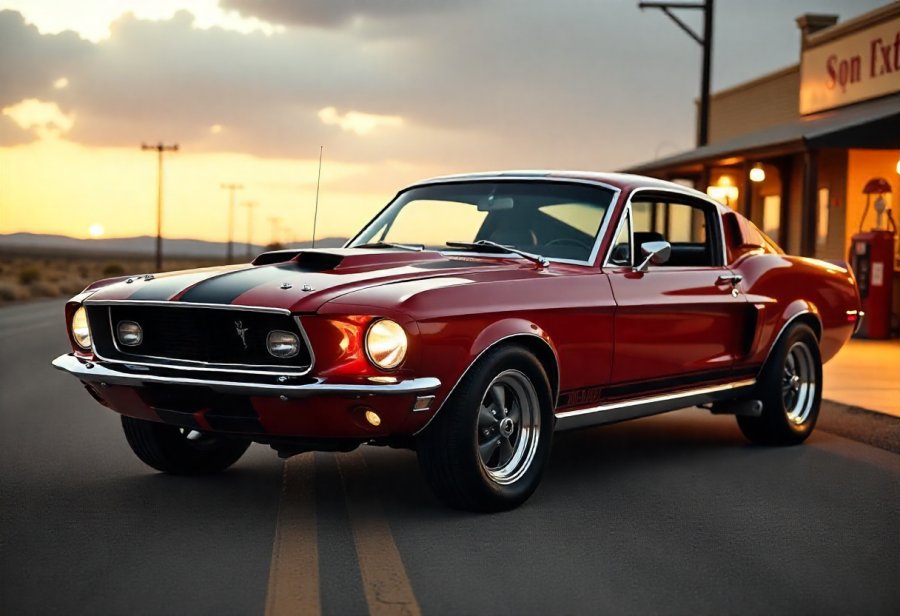
The Ford Mustang: An American Icon of Freedom and Rebellion
The Ford Mustang isn’t just a car; it’s a symbol deeply woven into the fabric of American culture. Since its debut in 1964, it has represented more than just speed and style—it’s embodied the spirit of freedom, rebellion, and individualism that defines the American muscle car era. Its sleek silhouette, roaring engines, and bold design have always been about making a statement on the road. Over the decades, the Mustang has become an icon that resonates with drivers of all ages, standing as a testament to American innovation and resilience.
What makes the Mustang truly special isn’t just its striking appearance, but its ability to capture the imagination across generations. Its legacy is built on pushing boundaries—whether through powerful performance or daring aesthetics. Classic features like racing stripes, the signature pony grille, and muscular lines are instantly recognizable symbols of American automotive prowess. These details don’t merely look good; they evoke a sense of speed, strength, and independence that many aspire to.
Beyond its design, the Mustang’s significance extends into popular culture. It has appeared in films, music, and media that helped define the rebellious, free-spirited vibe of the American dream. Movies like “Bullitt” and “Gone in 60 Seconds” cemented its status as more than just a vehicle—it’s a symbol of thrill-seeking and breaking free from convention. The car’s story is intertwined with tales of adventure, resilience, and the relentless pursuit of greatness.
Throughout its history, the Mustang has continually evolved, blending classic design elements with modern innovations. Each new generation maintains its core identity as a symbol of American muscle and performance, even as it adapts to changing tastes and technology. Today’s models carry forward that legacy, combining powerful engines with contemporary style and advanced features to ensure it remains relevant and aspirational for both longtime fans and new drivers.
The Mustang’s enduring appeal lies in its ability to inspire. It represents more than just a car—it embodies the pursuit of freedom, the courage to challenge limits, and the resilience to adapt and thrive. Its story is one of passion and innovation, making it a true American icon that continues to thrill and inspire across generations.
From Concept to Legend: The Birth and Evolution of the Mustang
The story of the Ford Mustang begins in the early 1960s, a period when American drivers were craving something fresh—something that combined sporty appeal with everyday practicality. Ford recognized this demand and set out to create a car that would stand out on the road, appealing especially to younger buyers eager to express their individuality. The result was the Mustang, officially unveiled in April 1964 at the New York World’s Fair. Its debut sparked immediate excitement, thanks to its sleek, aggressive design and marketing that emphasized freedom, adventure, and fun.
The first-generation Mustang was revolutionary. Its compact, muscular silhouette—with a long hood and short rear deck—set it apart from traditional muscle cars of the era. Ford offered a variety of engine options, from modest six-cylinder engines to powerful V8s, emphasizing performance without sacrificing affordability. The car’s stylish yet accessible design resonated with a broad audience, quickly making it a cultural icon. In just two years, it sold over a million units, cementing its position as a symbol of American automotive innovation.
As the years passed, the Mustang evolved through multiple generations, each reflecting shifts in design trends and technological advances. The 1970s brought the Mustang II, which was smaller and aimed at economy-conscious consumers, but still retained the core spirit of the original. The 1980s introduced the Fox Body, appreciated for its performance potential and customization options. The 2005 redesign drew heavily on retro styling cues, reviving the classic long-hood, short-deck look while integrating modern technology. Despite these changes, Ford kept the Mustang’s identity rooted in American muscle and rebellion.
Cultural impact played a crucial role in shaping the Mustang’s enduring legacy. It appeared in iconic movies like “Bullitt” and “Gone in 60 Seconds,” where its raw power and sleek profile symbolized excitement and independence. Its distinctive features—such as the signature pony grille, racing stripes, and fastback silhouette—became universally recognizable symbols of American performance and style. This visibility elevated the Mustang beyond just a vehicle, embedding it into the broader narrative of freedom and daring.
Throughout its history, the Mustang has maintained its relevance by blending tradition with innovation. Newer models incorporate advanced technology, eco-friendly engines, and contemporary design, yet they stay true to the core ethos of power and style. Each iteration continues to evoke the same sense of thrill and rebellion that made the original so iconic. This ability to adapt while honoring its roots keeps the Mustang at the forefront of automotive culture.
Ford’s marketing strategies have played a key role in preserving the Mustang’s legendary status. By emphasizing its American roots, racing heritage, and rebellious attitude, Ford keeps the car appealing across generations. Campaigns that highlight its history or showcase special editions reinforce the emotional bond with consumers, ensuring the Mustang remains more than just a nostalgic relic. It stands as a symbol of performance, freedom, and American resilience.
Restoring or customizing a Mustang today connects owners to a storied legacy. Sourcing authentic parts, maintaining original design features, and sharing stories within enthusiast communities keep the spirit alive. These efforts foster a sense of pride and continuity, passing down the car’s story of resilience and innovation to new generations. The Mustang’s community keeps its legend vibrant and relevant.
Looking to the future, the challenge will be balancing tradition with progress. As electrification and digital technology reshape the automotive landscape, the Mustang’s core identity as a symbol of rebellion and performance must evolve without losing its soul. Its rich history suggests that, even amid rapid change, the Mustang will continue to inspire—championing American resilience, innovation, and the relentless pursuit of freedom.
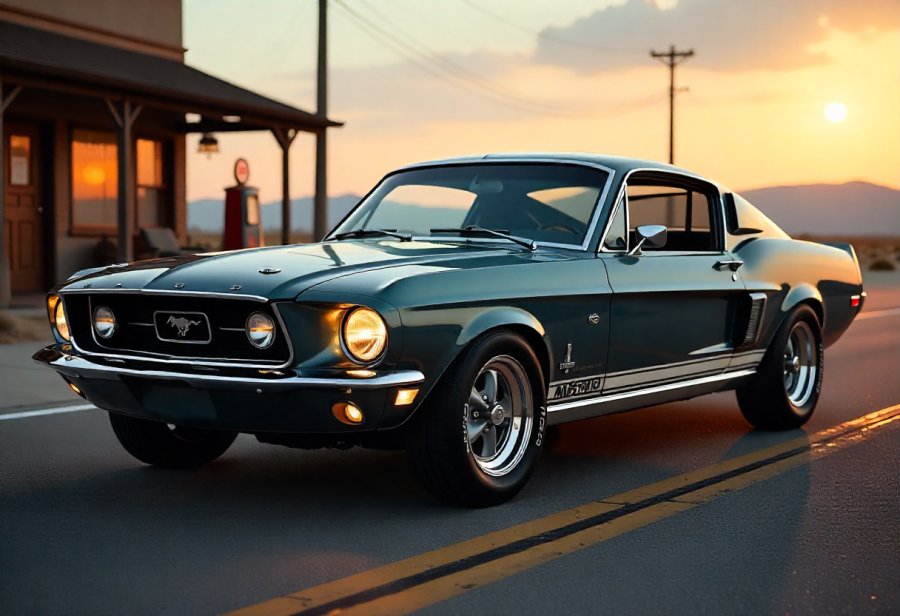
Why the Mustang Remains a Symbol of American Spirit and Independence
The Ford Mustang’s lasting appeal extends beyond its impressive design and performance; it embodies the very essence of American values—freedom, individuality, and rebellion. Its commanding presence on the road reflects a desire to break free from convention, symbolizing the pursuit of personal dreams and the courage to challenge norms. Every curve, grille, and silhouette tells a story of strength and speed that resonates deeply with drivers seeking more than just transportation—it’s about making a statement.
What truly cements the Mustang’s iconic status is its ability to evolve without losing its core identity. Each new generation maintains the spirit of American muscle, blending modern technology and design innovations with a sense of rebellion rooted in its history. Whether it’s its roaring V8 engines or its sleek retro-inspired aesthetics, the car continues to evoke the same feelings of excitement and independence that made it legendary. This balance between tradition and progress is key to its enduring relevance.
The cultural significance of the Mustang has helped sustain its legendary reputation. Its appearance in films like “Bullitt” and “Gone in 60 Seconds” elevated it from a mere vehicle to a symbol of daring and adventure. Its distinctive features—such as racing stripes, a pony emblem, and a fastback profile—are instantly recognizable, reinforcing its image as a vehicle that embodies speed and freedom. These elements are not just design choices but powerful symbols that continue to inspire a sense of possibility.
Driving a Mustang is an act of self-expression. Its performance power—the raw, exhilarating feeling of acceleration—embodies the thrill of breaking free from everyday limits. This visceral connection between driver and machine fuels a sense of rebellion, making every drive feel like a statement of independence. The car’s legacy as a symbol of defiance and resilience fuels its appeal across generations, inspiring a new wave of enthusiasts eager to carry that spirit forward.
The community of Mustang enthusiasts plays a vital role in preserving its legacy. Restoring, customizing, and sharing stories about these cars keeps the legend alive. This collective passion sustains the cultural image of the Mustang as more than just a vehicle—it’s a symbol of resilience, ingenuity, and unyielding American spirit. Their dedication ensures that the car’s narrative of freedom and innovation endures through the years.
As the automotive world shifts toward electrification and digital innovation, the Mustang’s challenge is to adapt while maintaining its rebellious core. Its ability to blend tradition with modernity suggests that its symbolism will remain intact, inspiring future generations to pursue their dreams with the same boldness. The Mustang’s story is not just about horsepower; it’s about a relentless drive to define and redefine what it means to be free.
In essence, the Mustang endures because it captures a universal desire—to forge one’s own path, to challenge limits, and to embody resilience. It stands as a testament to the American spirit—bold, enduring, and ever-evolving. Its legacy reminds us that true icons are those that inspire us to dream bigger and drive harder, making the Mustang not just a car, but a symbol of freedom that continues to thrill and inspire across generations.
Design and Performance: How the Mustang Shapes Modern Automotive Culture
The design of the Ford Mustang has left a lasting imprint on modern automotive aesthetics, setting standards that many manufacturers strive to emulate. Its bold, aggressive styling cues—like the signature pony grille, fastback silhouette, and racing stripes—have become defining features of muscle car culture. These elements do more than catch the eye; they communicate speed, power, and a rebellious spirit that resonate deeply with drivers seeking excitement and a sense of individuality. Automakers today often incorporate similar design DNA to evoke that same feeling of thrill and freedom, blending tradition with contemporary trends.
Performance is another key area where the Mustang’s influence is evident. Its range of V8 and turbocharged engines has established benchmarks for power and handling, pushing competitors to develop their own high-performance offerings. The Mustang’s emphasis on driver engagement—through responsive suspension setups, advanced aerodynamics, and digital driving aids—has raised expectations across the industry. Modern sports cars now aim to deliver a visceral driving experience that echoes the thrill of a classic Mustang, proving how foundational its performance philosophy remains.
Consumers today seek vehicles that combine striking looks with tangible performance benefits. The Mustang exemplifies this ideal, inspiring a wave of sporty models that don’t compromise on style or substance. Automakers are increasingly designing cars with aerodynamic finesse, stylish details, and innovative tech features—elements pioneered by the Mustang decades ago. This evolution reflects a broader industry shift toward vehicles that deliver emotional appeal alongside modern efficiency and safety, with the Mustang’s legacy serving as a blueprint.
Ford’s branding efforts have played a crucial role in maintaining the Mustang’s legendary status. By emphasizing its American roots, racing heritage, and rebellious attitude, Ford keeps the car relevant and desirable to new generations. Campaigns that highlight its storied history, special editions, and cultural milestones reinforce the emotional connection fans have with the Mustang. This strategic storytelling ensures the vehicle remains a symbol of performance and freedom, not just a nostalgic icon but a contemporary statement of innovation.
Restoring and customizing Mustangs today goes beyond aesthetics; it’s about preserving a piece of automotive history. Enthusiasts source authentic parts, maintain original design details, and share their stories within a passionate community. These efforts keep the spirit of the Mustang alive, fostering a sense of pride and continuity. In doing so, owners and collectors ensure that the legacy of American resilience, craftsmanship, and rebellion continues to inspire future generations to dream big and drive boldly.
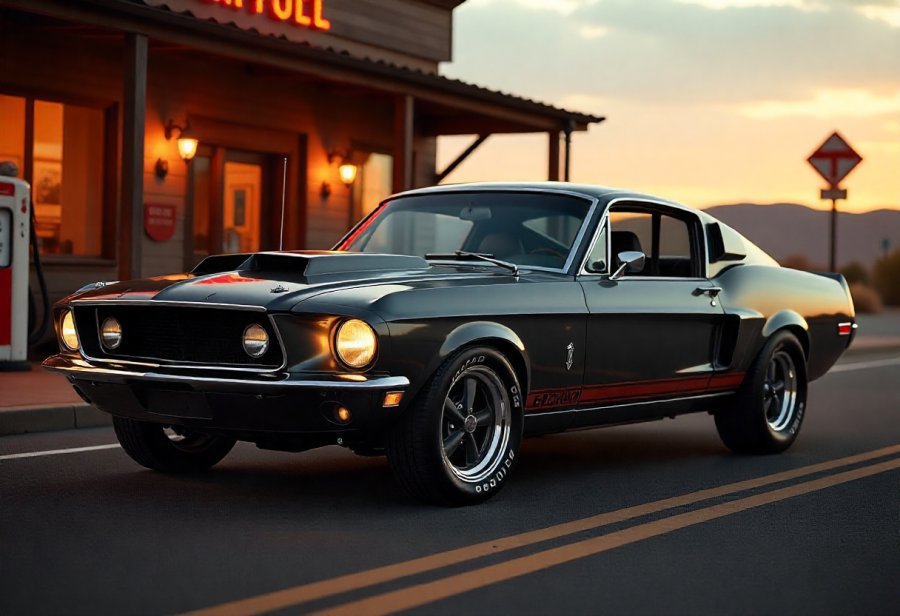
Legacy and Inspiration: Embracing the Enduring Power of the Mustang
The Ford Mustang’s significance extends far beyond its eye-catching design and impressive performance—it has become a symbol deeply ingrained in American culture. Its distinctive lines, signature pony grille, and fastback silhouette are more than just aesthetic choices; they embody the spirit of freedom, strength, and rebellion that define the muscle car era. This iconic image resonates across generations, reminding us of a time when breaking away from convention was celebrated and individuality was embraced.
Throughout its history, the Mustang has maintained relevance by evolving without losing its core identity. Each new model continues to evoke the same sense of excitement and independence, whether through modern performance upgrades or nostalgic design cues. Its ability to adapt while preserving its legendary status is a key reason why it remains a powerful symbol of resilience and innovation.
The cultural impact of the Mustang is undeniable. Its appearances in movies like “Bullitt” and “Gone in 60 Seconds” elevated it from a mere vehicle to a symbol of daring and adventure. The car’s distinctive features—such as racing stripes, a pony emblem, and a sleek fastback profile—are instantly recognizable, reinforcing its image as a vehicle that embodies speed and freedom. These elements have helped solidify its status as more than just a mode of transportation—they are symbols of possibility and rebellious spirit.
Driving a Mustang is more than just about getting from point A to B; it’s about self-expression and embracing a bold attitude. Its raw power and exhilarating handling foster a visceral connection that fuels a sense of independence and defiance. This emotional bond has helped the Mustang endure as an icon of American resilience, inspiring new generations eager to carry its legacy forward.
The community of enthusiasts and collectors plays a vital role in preserving the Mustang’s rich history. Restoring, customizing, and sharing stories about these cars keep the legend alive. Their dedication sustains the car’s image as more than a vehicle—it’s a symbol of craftsmanship, rebellion, and the unyielding pursuit of dreams. This collective passion ensures that the Mustang’s story continues to inspire.
Looking ahead, the challenge lies in balancing tradition with innovation. As electrification and digital technologies reshape the automotive landscape, the Mustang’s core values of rebellion and performance must evolve without losing their essence. Its ability to adapt while staying true to its roots suggests that it will remain a powerful symbol of American resilience and freedom in the years to come.
Ultimately, the Mustang endures because it embodies universal ideals—courage, independence, and the relentless pursuit of greatness. It reminds us that icons are born from passion and perseverance, inspiring us to challenge limits and forge our own paths. Its legacy is a testament to the enduring American spirit—bold, resilient, and forever driven by the desire to dream big and drive harder.