In a digital age where screens dominate our attention, the simple act of tending a garden together reveals a profound way to foster connection, healing, and resilience. This compelling exploration traces the timeless roots of communal gardening—once a sacred and social hub across cultures—highlighting its enduring power to build trust, nurture empathy, and strengthen bonds. Today, urban gardens, community plots, and therapeutic green spaces are reviving this tradition, offering a sanctuary from digital disconnection while promoting mindfulness and emotional well-being. But can these earth-based activities truly bridge the emotional gaps created by modern technology? As future innovations like virtual gardening experiences and inclusive green initiatives emerge, the potential for gardens to serve as universal tools for healing and community building grows ever brighter. Tending soil is more than growing plants—it’s about cultivating relationships, patience, and hope in a world craving genuine human connection.
Reconnecting in a Digital Age: The Power of Tending Gardens Together
In a world dominated by screens and constant notifications, finding genuine human connection can feel increasingly challenging. We often scroll through social media or respond to emails, leaving little time for meaningful face-to-face interactions. Amid all this digital noise, the simple act of tending a garden together offers a refreshing way to slow down and reconnect. It’s a timeless activity that encourages us to focus on the present, working side by side in the soil rather than staring at screens.
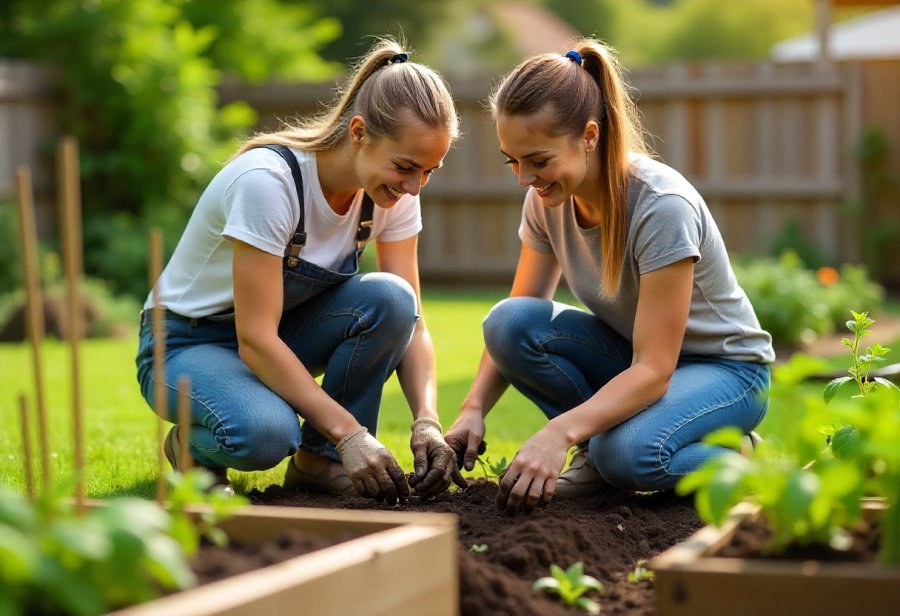
Sharing gardening tasks—whether planting seeds, watering, or pruning—creates natural opportunities for conversation and collaboration. These quiet, joint moments foster trust and understanding in a way that words alone sometimes can’t. As people work together to nurture life in the soil, they also nurture their relationships, building bonds through patience and shared effort.
Gardening isn’t just about growing plants; it’s about cultivating emotional resilience and connection. Being outdoors reduces stress and promotes mindfulness, making it easier for conversations to flow naturally. Watching a tiny sprout develop into a flourishing plant becomes a shared achievement, reminding us that growth—both in nature and in relationships—takes time and care.
This practice also highlights nature’s healing power. In a world where loneliness and disconnection are common, spending time outdoors in a garden offers a restorative escape. Working together in this environment helps break digital habits, encouraging presence and attentiveness to each other. It’s a gentle way to rebuild trust, foster empathy, and find comfort in a shared purpose.
Gardening’s roots stretch back centuries across many cultures, where it served as a social glue—bringing communities together through collective effort and rituals. From sacred groves to community plots, these spaces created opportunities for cooperation, shared stories, and mutual support. Today’s shared gardens continue this tradition, offering a modern way to strengthen bonds through common care.
As digital life becomes more immersive, the importance of cultivating real-world connections through activities like gardening grows ever clearer. Tending a garden together is more than a hobby—it’s a way to reconnect with others and with ourselves. In planting and caring for life, we also plant the seeds of trust, patience, and emotional healing, proving that sometimes, the simplest acts have the deepest impact.
Ancient Roots of Bonding: The Cultural Significance of Gardening
Gardening as a bonding activity has roots that stretch back thousands of years, crossing cultures and continents. From the lush gardens of ancient Egypt to the communal plots of China and Greece, people have long recognized that tending plants together fosters social bonds. These early societies didn’t see gardens solely as sources of food or beauty; they served as gathering spaces for rituals, celebrations, and daily interactions that reinforced a sense of community. Whether in sacred groves or shared farmland, the act of cultivating the land was intertwined with building trust and cooperation.
In ancient Egypt, gardens often held spiritual significance and were places where religious ceremonies and social gatherings took place. Similarly, in Greece and Rome, public gardens and communal spaces became vital for social life, offering a refuge for relaxation and conversation. These spaces symbolized more than just the act of growing plants—they embodied cooperation, shared purpose, and social cohesion. Sacred groves and collective farms across Eurasia and Africa further cemented this idea, serving as hubs where community effort created a sense of belonging.
Throughout history, these traditions persisted and evolved, but their core remained the same: working together in the soil created opportunities for connection. Community gardens, allotments, and even sacred groves weren’t just about harvesting crops—they nurtured identity, trust, and collective memory. Festivals around harvests and shared daily care reinforced bonds, demonstrating that gardening is more than a practical activity; it’s a universal language of connection and mutual support.
Modern research continues to support these ancient insights, showing that tending to plants can reduce stress and improve emotional well-being. Studies from institutions like the University of Pennsylvania highlight that shared gardening experiences promote empathy and resilience. Today, programs like horticultural therapy use garden spaces as healing environments, emphasizing the emotional and social benefits of working with nature. These modern practices echo the age-old truth: tending the earth together nurtures both plants and people.
Despite technological advances and urbanization, the fundamental value of gardening as a social activity remains strong. Its roots in history reveal a consistent pattern: collaboration in the garden fosters trust, deepens relationships, and creates a sense of belonging. As city landscapes turn greener through community projects, the timeless significance of shared gardening continues to remind us that some of the most meaningful bonds are cultivated in the soil.
Modern Gardens of Connection: Trends and Society’s Embrace of Garden Healing
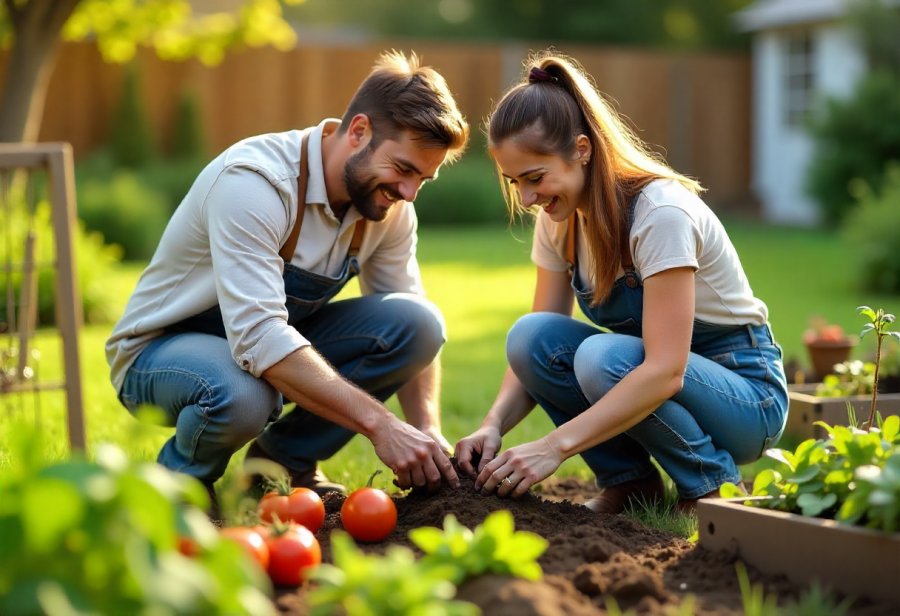
Today, gardening is experiencing a notable revival, driven by a growing awareness of its benefits beyond just beautifying spaces or providing fresh produce. More communities are transforming vacant lots, rooftops, and urban corners into shared green spaces like community gardens and urban farms. These initiatives turn concrete jungles into lively hubs where neighbors come together, exchanging skills and stories while working toward common goals. The act of tending plants in these settings fosters a sense of belonging and cooperation, reinforcing social bonds in ways that words alone often can’t.
Mindful gardening has also gained popularity among young adults seeking relief from the stresses of modern life. By encouraging full attention to soil, plants, and weather, this practice turns routine gardening into a calming, meditative experience. Many see it as a form of outdoor therapy, a way to reduce anxiety and reconnect with nature amid busy schedules dominated by screens. These moments of hands-on care promote presence and attentiveness, helping people feel more grounded and emotionally resilient.
Urban green initiatives highlight how cities are embracing nature as a tool for community well-being. Rooftop gardens, balcony plantings, and vacant lot conversions are transforming dense neighborhoods into vibrant spaces for social interaction. These projects not only improve air quality and aesthetic appeal but also create accessible places where diverse groups can gather, share, and build trust. As more urban dwellers participate, these green spaces become vital in fostering a sense of shared purpose and mutual support.
Meanwhile, the movement to disconnect from digital distractions is gaining momentum. Campaigns promoting outdoor activity emphasize gardening as a way to step away from screens and engage directly with the natural world. Tending plants becomes a tactile, grounding experience that nurtures patience, empathy, and a sense of accomplishment. These activities often lead to stronger emotional bonds, as shared efforts in the garden create opportunities for meaningful conversations and mutual understanding.
Healthcare providers and therapists increasingly incorporate gardening into emotional healing practices. Horticultural therapy uses plant care to promote trust, openness, and resilience. Hospitals and clinics design therapeutic gardens to offer peaceful retreats, recognizing that nurturing living things can also nurture emotional well-being. These green spaces serve as accessible, restorative environments where individuals can process feelings and foster connections, demonstrating the healing power of earth-based activities.
Community-led green projects continue to expand, especially as ecological awareness grows. Urban farms and native plant initiatives provide platforms for collaboration, fostering social cohesion and environmental stewardship simultaneously. Working together in these spaces not only cultivates sustainable practices but also strengthens community resilience, proving that shared effort in tending to the earth can be a powerful foundation for lasting relationships.
As the focus shifts toward inclusivity and accessibility, efforts are underway to make gardening available to all, regardless of background or ability. Designing equitable green spaces and offering resources for diverse populations ensures that everyone can experience the emotional and social benefits of tending plants. With technology, community programs, and thoughtful urban planning, the future of garden-based connection looks promising—broadening its reach and deepening its impact in fostering healing, trust, and shared growth.
Cultivating Relationships: Practical Ways Gardening Strengthens Bonds and Heals
Gardening offers a versatile and meaningful way to strengthen relationships and promote emotional healing across various settings. For families and friends, simple shared activities like planting a flower bed or growing vegetables together create ongoing opportunities for teamwork and heartfelt conversations. These routines, whether watering or pruning, encourage patience and responsibility while providing a calm, shared space to connect. The act of caring for something living fosters a sense of joint purpose that extends beyond the garden itself.
In therapeutic environments, structured gardening activities serve as powerful tools for building trust and emotional expression. Engaging with soil and plants helps participants feel grounded and safe, opening the door to vulnerability and openness. These experiences promote resilience and foster a sense of security, making gardening an effective component of mental health and recovery programs. Many clinics and community centers now incorporate horticultural therapy to help individuals process feelings and develop social bonds through tending greenery.
Community gardens and urban farms exemplify how gardening can act as a social connector. These shared spaces bring together diverse groups, uniting neighbors around common goals like growing food or beautifying neighborhoods. Working side by side in these environments cultivates a collective sense of achievement and mutual trust. As people exchange skills and stories, these gardens become vibrant hubs of cooperation that strengthen social ties and foster friendships rooted in shared effort.
Even small acts—such as tending potted plants or creating a flower bed with loved ones—can spark meaningful conversations and deepen bonds. These moments of shared care nurture empathy, patience, and understanding, allowing relationships to naturally flourish through mutual nurturing. The simple act of tending life together reinforces a sense of support and pride that extends beyond the garden’s borders.
Many find that integrating gardening into daily routines acts as a natural stress reliever and mood booster. Whether it’s a quick watering after work or a weekend planting session, these rituals create consistent opportunities for calm and connection. These shared acts of care transform ordinary moments into meaningful experiences that reinforce emotional bonds and promote a sense of shared purpose.
Stories abound of how gardening has helped relationships grow stronger during difficult times. Couples working together on a vegetable patch discover new communication skills, while families find comfort and hope in shared planting projects. These examples illustrate that tending plants isn’t just about growth above ground; it’s about nurturing emotional bonds through patience, care, and shared effort.
Getting started with a gardening project is straightforward and rewarding. Choosing a suitable space, setting mutual goals, and dividing responsibilities foster commitment and teamwork. Using accessible tools and realistic expectations keeps motivation steady, even when progress feels slow. Over time, these small steps build trust, deepen connections, and cultivate resilience—showing that the roots of a healthy relationship often begin in the soil.
In every context, tending to plants together creates a powerful space for healing, connection, and growth. Whether in therapy, community, or home life, these shared moments cultivate more than just plants—they nurture the human bonds that sustain us. Engaging with nature in this way reminds us that, sometimes, the simplest acts of care can have the deepest impact.
Future Gardens: Innovations and Inclusions Shaping Healing and Connection
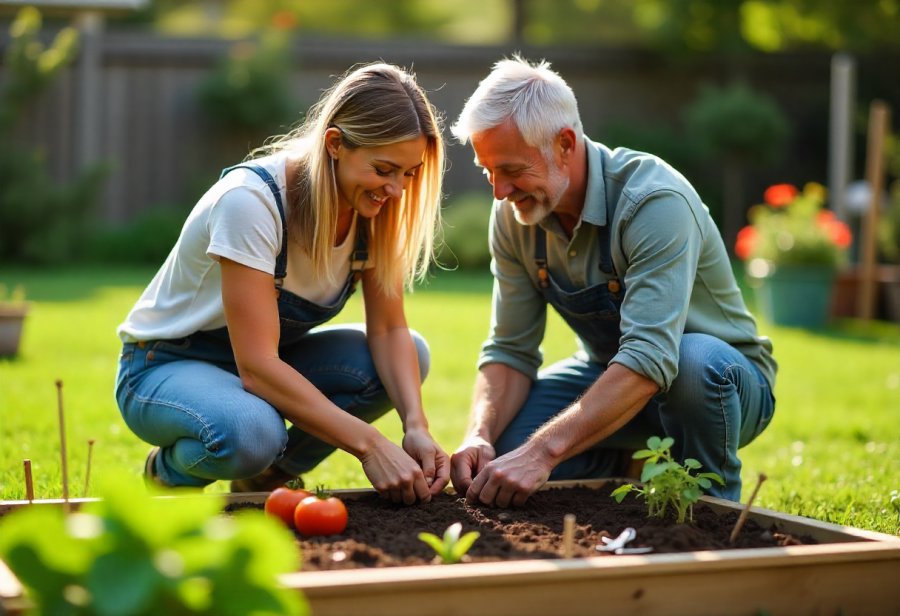
Looking ahead, the future of garden-based healing and relationship-building holds exciting potential as new ideas and technologies continue to emerge. Virtual reality and digital platforms could make sharing gardening experiences easier across distances, connecting people who might not have access to local green spaces. Imagine participating in global planting projects or joining virtual garden tours from your own home—these innovations can foster a sense of collective effort and belonging beyond physical boundaries.
Eco-therapy is gaining momentum and may become a mainstream approach as awareness of mental health grows. Combining outdoor gardening with mindfulness and emotional wellness practices, future programs could offer structured ways for individuals to heal through nature. Healthcare providers might incorporate these methods into standard treatment options, making emotional recovery more accessible through patience, care, and shared effort.
Urban green spaces are likely to become even more vital in the coming years. Cities are investing in green roofs, pocket parks, and community gardens to combat urban isolation and promote social cohesion. These spaces can serve as sanctuaries for healing, providing city dwellers with peaceful retreats where they can connect with others and nature. As urban populations expand, designing inclusive, accessible green areas will be crucial for fostering emotional resilience and community bonds.
Technological advances in gardening—such as smart tools and apps—could revolutionize how we engage with plants. Personalized gardening experiences, driven by data and automation, can make gardening more approachable and rewarding for everyone. These innovations might boost confidence, deepen connections, and turn tending plants into powerful tools for emotional and social growth.
Community-led green initiatives are set to grow, especially as ecological awareness and sustainability become priorities. Urban farms and native plant projects offer opportunities for collaboration, strengthening social ties while caring for the environment. These efforts can create a sense of shared purpose, resilience, and mutual support, weaving community resilience into the fabric of daily life.
Inclusivity and accessibility will shape the future of garden-based healing. Creating equitable green spaces and providing resources for diverse populations will help ensure that everyone can experience the emotional and social benefits of tending to living things. Whether through technology, community programs, or thoughtful urban design, the goal will be to make these practices universal, fostering healing and connection across all backgrounds.
As these trends develop, the potential for gardens to serve as spaces of growth, recovery, and human connection will only expand. Embracing innovation and inclusivity, future garden-based practices will deepen their role as vital tools for emotional well-being and community strength. In cultivating these green spaces, we nurture not just plants, but the very bonds that sustain us in a changing world.