Transforming Toronto yards into stunning outdoor retreats is more than an aesthetic pursuit—it’s about crafting resilient, eco-friendly sanctuaries that reflect personal lifestyle and withstand seasonal challenges. How can homeowners balance beauty with sustainability while ensuring long-term satisfaction? This comprehensive guide reveals key principles of landscape design, emphasizing thoughtful layouts, intelligent lighting, native plant selection, and sustainable materials, all tailored to Toronto’s unique climate. It explores innovative practices like rain gardens, eco-conscious materials, and smart technology that make outdoor spaces more functional and environmentally responsible. The future promises exciting developments in modular designs, biophilic elements, and community-driven initiatives, transforming city yards into vibrant, adaptable retreats. Are you ready to embrace these strategies to create a personal oasis that harmonizes beauty, sustainability, and enduring enjoyment? This journey from concept to completion promises a landscape that not only enhances property value but nurtures connection with nature—turning outdoor spaces into lifelong personal sanctuaries.
Transform Your Toronto Yard Into a Personal Sanctuary
Transforming outdoor spaces into beautiful retreats has become a popular goal for Toronto homeowners seeking to elevate their living environments. A well-designed yard isn’t just about aesthetics; it’s about creating a personal sanctuary where families can relax, entertain, and connect with nature right in the heart of the city. When done thoughtfully, these transformations add both value to the property and enjoyment to everyday life.
Toronto’s climate, with its shifting seasons from cold winters to humid summers, makes landscape design particularly important. Choosing the right plants, materials, and features ensures the space remains resilient and functional year-round. This careful planning helps create a landscape that is both visually stunning and capable of withstanding Toronto’s weather challenges, turning a basic backyard into a durable outdoor haven.
Beyond beauty, a successful yard transformation benefits the environment. Incorporating eco-friendly practices like native planting, water management strategies, and sustainable materials aligns aesthetic appeal with sustainability. These choices support local ecosystems, reduce resource consumption, and promote healthier, more vibrant landscapes that thrive in Toronto’s seasonal shifts.
Creating an outdoor retreat involves understanding the unique needs and lifestyles of each homeowner. Whether they desire a low-maintenance garden, a lively entertaining space, or a peaceful escape, listening carefully to these preferences guides the design process. When a space reflects the client’s personality and functional desires, it fosters a stronger connection and trust from start to finish.
Site evaluation plays a crucial role in shaping a successful transformation. Analyzing factors like soil quality, sunlight exposure, wind patterns, and existing landscape features allows designers to tailor solutions that work harmoniously with the environment. Proper assessment ensures that plant choices, drainage systems, and hardscape elements come together seamlessly, creating a yard that remains beautiful and practical over time.
Transforming a yard is more than just an aesthetic upgrade—it’s about creating a space that feels right for those who use it. Thoughtful layout, strategic feature placement, and attention to detail during installation turn an ordinary outdoor area into a stunning retreat. When executed with care, these projects become natural extensions of the home, providing long-lasting enjoyment, increased property value, and a personal oasis amid Toronto’s vibrant cityscape.
Design Principles that Turn Outdoor Spaces Into Beautiful, Functional Retreats
Creating outdoor retreats that are both beautiful and practical relies on understanding some key design principles. A well-organized layout is the backbone of any successful transformation. Thoughtful placement of seating areas, pathways, and focal points ensures the space flows naturally and feels welcoming. For instance, positioning a fire pit as a central gathering spot not only creates a visual anchor but also encourages social interaction and cozy evenings outdoors. When these elements are arranged with intention, they guide movement effortlessly and highlight the yard’s best features.
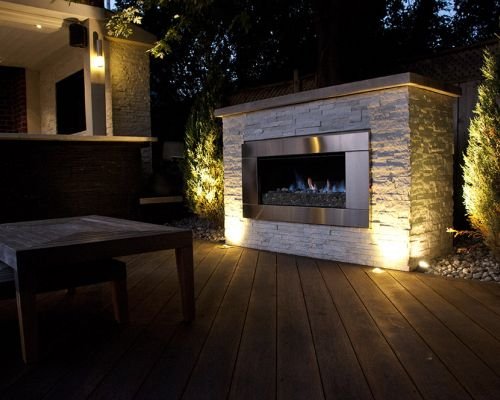
Lighting plays a crucial role beyond just illumination—it sets the mood and extends usability into the evening hours. Well-placed fixtures can accentuate plants, brighten pathways, and create inviting ambiance. Using sustainable, energy-efficient lighting options aligns with eco-friendly goals while enhancing the overall aesthetic. When lighting design works hand-in-hand with plantings and hardscapes, it transforms a backyard into a magical space that feels right at any hour.
Sustainability is woven into every aspect of good landscape design. Selecting native plants ensures the landscape thrives with minimal water, fertilizer, and chemical inputs, which supports local ecosystems and reduces maintenance costs. Incorporating eco-friendly materials like permeable pavers or reclaimed wood not only adds visual interest but also helps manage stormwater and reduce runoff. These choices create a natural, cohesive look that supports long-term environmental health without sacrificing beauty.
Understanding client preferences early in the process helps translate their lifestyle and vision into a cohesive plan. Whether they want a low-maintenance garden, a lively entertaining area, or a peaceful sanctuary, clear communication ensures the design aligns with their needs. Using visual tools such as mood boards or virtual walkthroughs can help clients better visualize the final result, fostering trust and collaboration from start to finish.
Every detail counts when bringing a design to life. Hardscape features like patios, walkways, and lighting must be installed with precision to guarantee durability and aesthetic appeal. Proper plant placement and technique are essential for healthy growth and long-term vibrancy. Small touches—like choosing the right mulch or adding decorative elements—can elevate the overall look and feel, making the yard feel polished and inviting.
When these principles are executed with care, they create outdoor spaces that are not only stunning but also resilient and sustainable. A balanced combination of form and function results in a yard that feels effortless and inviting. For homeowners, this approach delivers a landscape that reflects their personality, supports the environment, and provides enjoyment for years to come.
Embrace Sustainability for a Vibrant and Eco-Friendly Landscape
Sustainable landscaping in Toronto means creating outdoor spaces that remain beautiful and healthy over time while minimizing environmental impact. Central to this approach is selecting native plants, which are naturally adapted to Toronto’s soil and climate. These plants require less water, fertilizers, and chemicals, making them both eco-friendly and cost-effective. They also support local wildlife, including beneficial insects, birds, and pollinators, fostering a resilient and vibrant ecosystem right in your backyard.
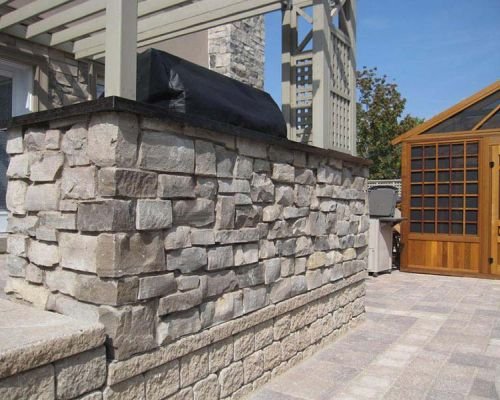
Incorporating eco-friendly materials is another key strategy. Recycled or sustainably sourced products like permeable pavers, reclaimed wood, and biodegradable mulches not only enhance visual appeal but also improve stormwater management. Permeable pavers, for example, allow rainwater to seep into the ground, reducing runoff and easing pressure on city drainage systems. Using these materials helps your yard blend seamlessly with the environment while supporting long-term ecological health.
Water management plays a vital role, especially given Toronto’s hot summers and cold winters. Installing rain gardens and drip irrigation systems conserves water while keeping plants lush and healthy. Rain gardens absorb runoff, preventing erosion and flooding, while drip irrigation delivers water directly to plant roots, reducing waste. These systems promote a resilient landscape capable of withstanding extreme weather, cutting down on water bills and environmental stress.
Native plants are particularly valuable because they thrive with minimal intervention once established. They are well-suited for Toronto’s seasonal changes, requiring less watering, fewer chemicals, and less maintenance overall. This resilience not only lowers your yard’s environmental footprint but also ensures your landscape remains vibrant and inviting throughout the year. By integrating native species and eco-friendly features, homeowners can enjoy a stunning, sustainable outdoor space that supports local biodiversity.
Designing with sustainability in mind extends beyond plants and water systems. Proper grading ensures effective drainage, preventing erosion and waterlogging that could damage your landscape. Choosing durable, eco-conscious materials for pathways and structures increases their lifespan and reduces the need for repairs. Every decision should aim to enhance durability, resource efficiency, and harmony with Toronto’s natural environment.
Maintaining a sustainable yard requires ongoing care that emphasizes health and efficiency. Regular pruning, mulching, and seasonal planting keep plants vigorous and vibrant. Monitoring soil health and adding targeted nutrients can reduce excess fertilizer use, while composting and rainwater harvesting further boost eco-friendliness. These practices help your outdoor retreat stay beautiful and environmentally responsible for years to come, making sustainability a seamless part of your landscape’s ongoing story.
Implement Your Vision with Precision and Care for Lasting Results
Turning a landscape design into a finished outdoor retreat demands meticulous planning and precise execution. Before breaking ground, ensure all materials, plants, and equipment are organized and ready, which helps keep the project on schedule and minimizes surprises. Clear communication between designers, contractors, and clients is essential—staying aligned allows for quick adjustments and prevents misunderstandings that could delay progress.
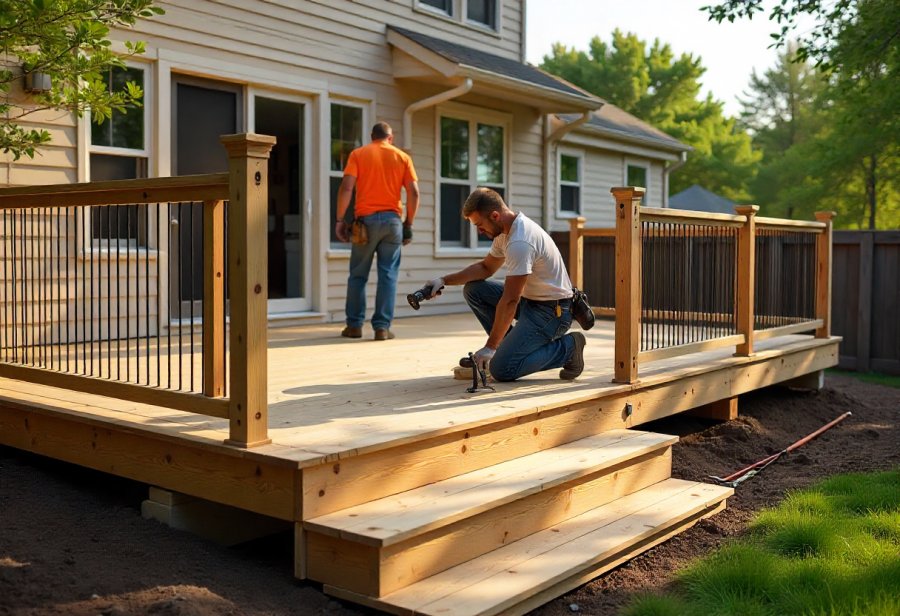
During installation, following the approved plans closely makes a significant difference. Proper grading guarantees good drainage and stability, while accurate planting techniques promote healthy growth from the start. Hardscape elements like patios, walkways, and lighting should be installed with attention to detail to ensure durability and visual harmony. Regular site inspections during construction catch potential issues early, saving time and avoiding costly rework.
Maintaining open lines of communication with clients throughout the process builds trust and confidence. Providing regular updates about progress and addressing concerns promptly keeps everyone engaged. When unforeseen challenges arise—be it weather delays or supply shortages—addressing them swiftly with practical solutions keeps the project on track and maintains momentum.
Attention to detail doesn’t end with big features. Small touches like planting, mulching, and installing lighting contribute significantly to the overall aesthetic. Proper planting techniques ensure new plants establish quickly and thrive, while high-quality materials for hardscapes prevent premature wear and maintain the landscape’s polished appearance. These finishing touches elevate the entire project, transforming a good space into a truly exceptional outdoor environment.
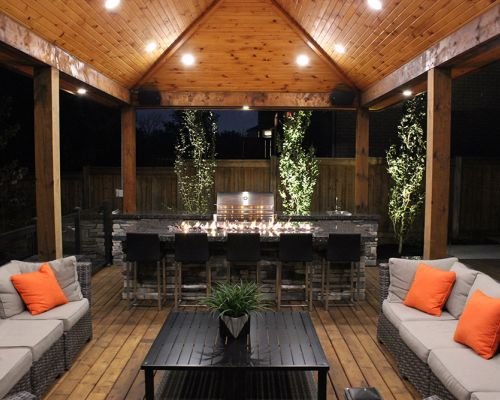
Toronto’s unpredictable weather adds complexity to installation. Creative solutions such as multi-functional spaces or vertical gardens maximize limited areas, while weather-resistant materials help ensure longevity. Planning for seasonal needs—like covering outdoor kitchens or selecting hardy plants—ensures the space remains inviting year-round. Flexibility in scheduling and design allows the project to adapt to unexpected conditions without compromising quality.
Collaboration among designers, skilled installers, and project managers is the backbone of a seamless transformation. Clear roles, regular check-ins, and shared goals help prevent missteps and keep everyone focused on delivering excellence. This teamwork guarantees that each phase flows smoothly into the next, maintaining high standards from start to finish.
Every detail counts when bringing a design to life. Proper planting, thoughtful hardscape installation, and finishing touches like lighting and decorative elements create a cohesive, inviting space. Attention to these small but impactful details ensures durability and aesthetic appeal, making the yard feel polished and welcoming.
A well-executed installation turns a thoughtful plan into a vibrant, resilient outdoor retreat. With organized coordination, open communication, and a focus on quality, the final result will reflect the client’s vision and stand strong through Toronto’s seasons. A smooth transition from concept to completion creates a lasting outdoor space that provides joy, value, and a true sense of personal sanctuary.
Shaping Toronto’s Landscape Future with Innovation and Community Spirit
The future of outdoor spaces in Toronto is poised for exciting transformation, driven by innovative trends and smart technology. Recycled and eco-friendly materials like composite decking, permeable pavers, and biodegradable mulches are becoming standard choices, blending sustainability with visual appeal. These materials not only support stormwater management but also help reduce the environmental footprint of landscape projects, ensuring Toronto’s yards remain resilient and beautiful through changing seasons.
Smart technology is changing how homeowners interact with their outdoor environments. Automated irrigation systems, intelligent lighting, and climate controls allow for precise management of water and energy use. Imagine adjusting your outdoor lighting effortlessly or watering only when necessary—these features make outdoor spaces more convenient, eco-conscious, and enjoyable. Such innovations are shaping landscapes that are both high-tech and eco-friendly, aligning with Toronto’s commitment to sustainability.
Biophilic design continues to gain momentum, emphasizing a closer connection with nature within urban settings. Features like living walls, green roofs, and natural water elements turn small yards and balconies into lush, restorative retreats. These elements not only elevate visual appeal but also promote mental well-being, offering residents a peaceful escape amid Toronto’s busy city life. As awareness of mental health’s importance grows, integrating nature into outdoor design becomes more essential than ever.
Modular and adaptable structures are becoming key in creating versatile outdoor spaces. Multi-purpose zones, vertical gardens, and flexible seating arrangements allow homeowners to adapt their yards to evolving lifestyles and weather conditions. These flexible designs maximize limited space and promote year-round usability, making outdoor retreats more resilient and personalized. This adaptability is crucial in Toronto’s climate, where seasonal shifts demand versatile solutions.
Design professionals are exploring new materials, techniques, and eco-conscious practices through ongoing industry developments. Attending expos, workshops, and engaging with online communities keeps designers at the forefront of innovation. This continuous learning ensures Toronto’s landscape design remains fresh, climate-resilient, and aligned with global sustainability standards, fostering creative solutions tailored to local needs.
Community-driven initiatives and neighborhood greening projects are shaping Toronto’s landscape future. These collective efforts promote eco-conscious habits, shared knowledge, and sustainable practices across neighborhoods. By fostering a culture of environmental responsibility, these projects inspire homeowners to adopt innovative, sustainable features that benefit the entire city’s ecosystem and quality of life.
Looking ahead, outdoor spaces in Toronto will reflect a seamless blend of technology, eco-friendly materials, and community engagement. These trends promise landscapes that are not only visually stunning and functional but also adaptable to climate challenges. As residents seek outdoor retreats that grow with them, Toronto’s landscape design will continue evolving into more sustainable, inspiring environments—enhancing urban life and creating lasting personal sanctuaries for years to come.