Underground street racing isn’t just a reckless pursuit of speed—it’s a vibrant culture rooted in loyalty, skill, and unbreakable brotherhood. In shadowy corners of the city, racers forge bonds through shared risks, late-night repair sessions, and secret rituals that foster trust and unity. Cars become symbols of identity, crafted with precision to reflect personal pride and crew allegiance. These relationships go beyond the asphalt, shaping communities and inspiring personal growth, from careers in auto repair to neighborhood pride. But beneath the adrenaline lies a web of danger—law enforcement, rivalries, and life-threatening risks that test loyalty and resilience. How deep does this brotherhood truly run? As racers navigate this perilous world, their bonds forge a resilience that sustains them, proving that in underground racing, speed is only part of the story—family, loyalty, and community hold the race together.
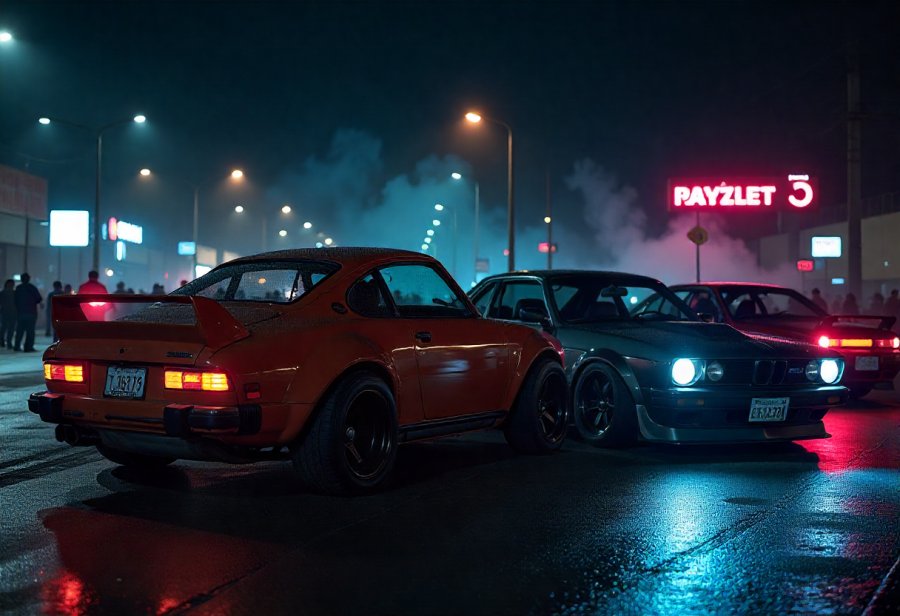
Unveiling the Hidden World of Underground Street Racing: Loyalty, Brotherhood, and the Pursuit of Speed
Underground street racing might sound like reckless fun or a thrill-seeker’s playground, but beneath that adrenaline-fueled surface lies a vibrant subculture rooted in loyalty, skill, and shared passion. These clandestine races take place in overlooked corners of the city—abandoned lots, narrow alleyways, or quiet backstreets that come alive only when darkness falls. For those involved, it’s about more than just crossing the finish line; it’s about belonging to a community that values trust, respect, and a fierce love for speed.
This scene creates an environment where bonds form rapidly and intensely. Drivers depend on each other’s instincts and support, whether during a tense race or a late-night repair session after an accident. The shared risk—of legal trouble, injuries, or rival conflicts—cements relationships that extend far beyond the asphalt. These moments of collective hardship and triumph transform crews into families, bonded by secrets kept and loyalty tested.
The roots of underground racing stretch back decades, evolving from casual meetups into complex networks with their own rituals, codes, and hierarchies. Respect and loyalty are the foundation, with newcomers proving their commitment through actions like demonstrating skill, maintaining secrecy, or supporting their crew in times of need. Cars become more than transportation; they’re symbols of identity and pride, often modified to reflect the crew’s values—engineering prowess, creativity, and a collective striving for excellence.
Within this culture, tradition and unspoken rules help maintain cohesion amidst external threats. Hand signals, specific routines before races, and coded language keep operations discreet. Protecting each other’s secrets and respecting rival groups are essential to survival. Loyalty here isn’t just a virtue—it’s a necessity, a lifeline that ensures the entire community endures despite police crackdowns or rival challenges.
In the end, underground street racing is about more than speed. It’s a culture built on unbreakable bonds—trust forged in late-night races, shared hardships, and mutual reliance. These relationships become a source of strength, shaping lives and communities in ways that go far beyond the thrill of the race. For those in this world, brotherhood runs deeper than the asphalt, fueling a sense of belonging that stays with them long after the engines have cooled.
The Roots of a Subculture: Traditions, Hierarchies, and the Art of Custom Cars
Underground street racing communities have deep roots that stretch back for decades, growing from casual meetups into tightly knit, secretive networks. What started as informal gatherings in quiet streets or empty parking lots has evolved into a complex culture with its own customs, rituals, and hierarchy. These traditions serve to protect members from law enforcement and outsiders, creating a sense of stability amid the chaos.
Respect and loyalty are at the heart of this scene. Newcomers often have to prove their commitment through actions like demonstrating skill, supporting their crew, or upholding secrecy. These bonds develop through shared routines, unspoken rules, and mutual understanding—hand signals, pre-race rituals, and coded language all help keep the community united and operations discreet.
Cars are more than just transportation; they’re symbols of identity and allegiance. Modified with custom paint, performance upgrades, and aggressive styling, vehicles showcase personal pride and crew loyalty. The craftsmanship involved—tuning, fabrication, and artistic touches—embodies the community’s values: technical skill, innovation, and a collective drive for excellence. These modifications often tell a story of dedication and belonging.
The social fabric of these communities is reinforced through rituals and traditions that emphasize loyalty and responsibility. Protecting each other’s secrets, respecting rival groups, and following shared codes help maintain cohesion. These customs, passed down through generations, serve as a backbone against external threats like police crackdowns or rival crews seeking dominance.
Loyalty in this world isn’t just a virtue—it’s a necessity. Members risk fines, injuries, or even jail, but their commitment to the crew often takes precedence over personal safety. Trust is built through shared risks and collective support, whether repairing a damaged car, sharing tuning techniques, or covering for each other’s mistakes. This unwavering loyalty creates a resilient brotherhood that can withstand the pressures and dangers they face.
This culture influences more than just the racers; it shapes entire neighborhoods. Local pride is expressed through street art, car shows, and stories of resilience. Many young racers find in this scene a sense of purpose and belonging that can lead to personal growth, careers in auto repair, or mentorship roles. The craftsmanship and artistry fostered here inspire community pride and bring people together.
Even amid the shadows, these traditions help foster a sense of stability and shared purpose. The unspoken rules, rituals, and bonds forged in late-night races create a resilient network of trust and loyalty. For many, underground street racing isn’t just about speed—it’s about belonging to a family that runs deeper than any race, holding together through every challenge and every mile.
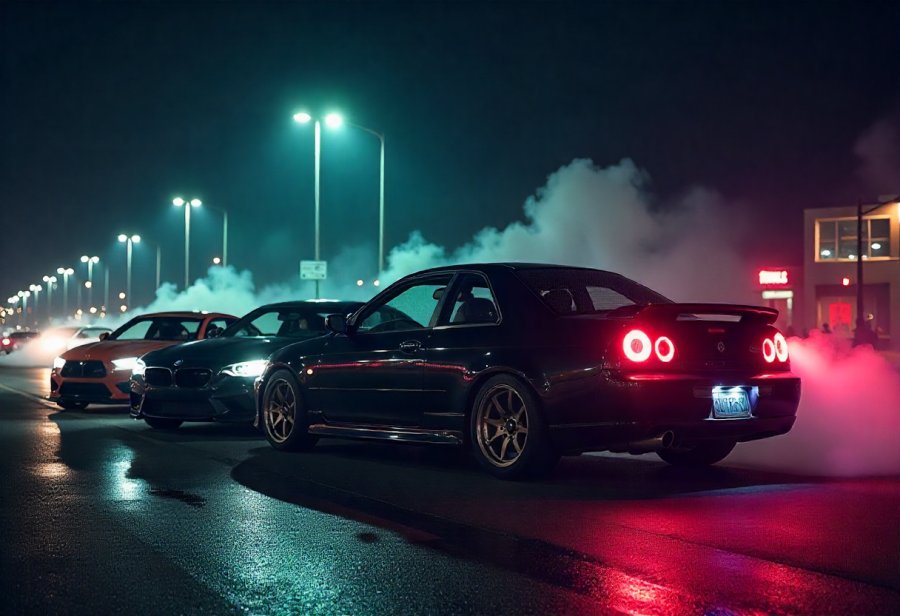
Brotherhood in Motion: How Street Racing Creates a Family Built on Trust and Support
Street racing isn’t just about the cars or the adrenaline—it’s about building a family rooted in trust and mutual support. Racers depend on each other not only for a quick start or an escape but for genuine camaraderie that deepens through shared experiences. Whether it’s helping a teammate troubleshoot a mechanical issue after a late-night race or offering words of encouragement before a tense run, these acts strengthen the bonds that define the brotherhood.
Night races, in particular, serve as powerful rituals that cement this sense of kinship. Under the cover of darkness, rivalries soften, replaced by a collective purpose. Crews gather silently, exchanging knowing glances and communicating through subtle signals, united by the understanding that they are part of something bigger than individual victories. The roar of engines and the flickering streetlights embody this unity, where loyalty is tested and proven with each race.
Support among racers extends beyond the track. Crew members often rally around one another to repair battered cars or share tuning secrets, transforming practical assistance into acts of trust. When someone confides about modifications or strategies, it reinforces the feeling of being part of a close-knit team. This reliance creates a safety net that enables everyone to push their limits, knowing they’re not alone—each act of support adding another layer to their collective strength.
Within these crews, rituals and unspoken rules keep the community tight. Handshakes before races, specific signals, or routines serve as symbols of loyalty and responsibility. Members understand that their reputation depends on their actions, and this shared code fosters accountability. Protecting each other’s secrets and respecting rival groups are fundamental to maintaining the trust that sustains the brotherhood, passed down through generations.
Loyalty here isn’t just a virtue; it’s a way of life. Members risk fines, injuries, or even jail to stand beside their crew, often putting the group’s reputation above their own safety. When setbacks occur—be it a crash or legal trouble—the crew’s unwavering support kicks in instinctively. They rally around their teammate, offering help and protection, reinforcing that their bond is unbreakable.
This loyalty transforms a group of racers into a true family. Moments of shared hardship, late-night races, and secret meetups forge relationships that endure beyond the asphalt. These bonds become sources of strength and resilience, empowering each member to face challenges with collective backing. In this world, brotherhood isn’t just a word—it’s the foundation that keeps their culture alive amid the risks and dangers of the night.
Navigating Danger and Loyalty: Risks, Rivalries, and the Strength of Unbreakable Bonds
Underground street racing is inherently dangerous, and those involved are well aware that risks extend far beyond a simple crash. The constant threat of law enforcement looms large—fines, vehicle impoundments, and even jail time threaten their freedom and future prospects. This persistent danger keeps adrenaline high and nerves on edge, making loyalty within the crew essential. Members rely on each other to keep secrets, share safe routes, and cover for mistakes that could expose their operations or lead to severe consequences.
Rivalries and disputes can escalate quickly, turning into violent conflicts that endanger lives and reputations alike. Crews often clash over territory or pride, and these confrontations can spiral out of control. In these moments, loyalty becomes a lifeline—standing united helps defend their honor and ensures that everyone has each other’s backs when tensions flare. This collective strength often determines whether they come out of a race or conflict unscathed, reinforcing the importance of trust.
Trust among racers is the backbone of safety. Sharing intelligence about police patrols, hidden checkpoints, or safe escape routes can be the difference between a clean getaway and costly trouble. During a race, knowing someone is watching out for law enforcement or ready to assist with repairs fosters a sense of security that’s hard to find elsewhere. This reliance isn’t superficial; it’s built through shared experiences, risks, and the understanding that their safety depends on sticking together, especially when the stakes are highest.
Secrets and unspoken rules play a critical role in maintaining loyalty. Many crews have their own signals, routines, and coded language that help protect their operations from outsiders. Sharing this knowledge openly would risk exposure, so discretion becomes a fundamental part of their culture. These customs deepen bonds and reinforce the idea that loyalty isn’t just about racing—it’s about safeguarding the entire brotherhood, even in the face of danger.
In this world, loyalty often means risking everything—legal trouble, injuries, or worse. Members put their crew’s reputation and safety above their own, knowing betrayal could spell disaster. This unwavering support creates a resilience that helps them withstand setbacks and threats. When someone faces danger, whether from a police raid or a crash, the crew’s instinctive rallying reinforces that their bond is unbreakable. It’s this collective loyalty that keeps their community alive and resilient, no matter how high the stakes.
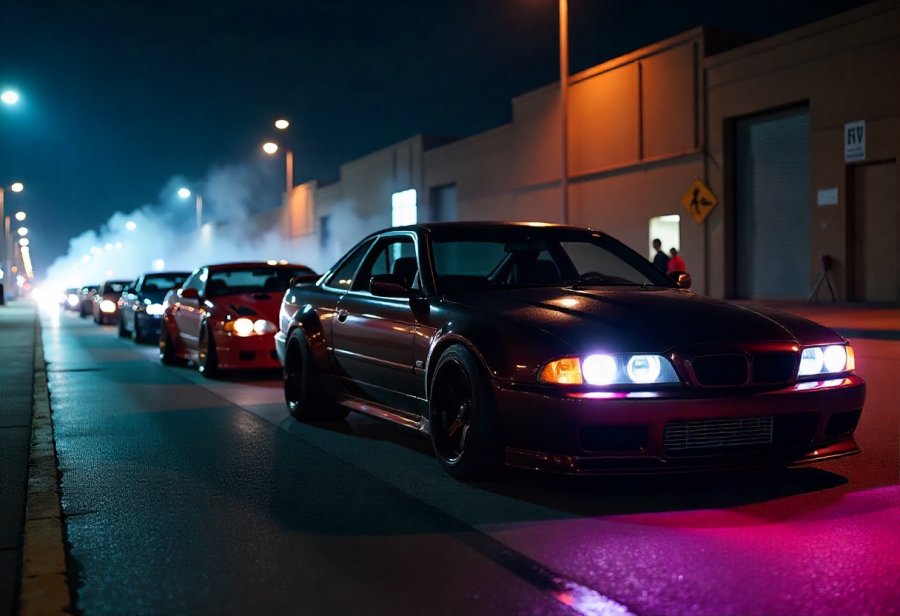
Beyond the Asphalt: The Impact of Underground Racing on Community Identity and Personal Transformation
Underground street racing leaves a lasting mark on the communities it touches, shaping identities and fostering a sense of resilience. For many involved, this scene becomes more than just a hobby—it’s a core part of who they are, influencing personal growth and providing a sense of purpose amid limited opportunities. The skills developed behind the wheel and in car customization often open pathways to careers in auto repair, fabrication, or entrepreneurship, turning passion into a livelihood. Over time, these stories of transformation inspire others and prove that this underground scene can be a force for positive change.
Beyond individual journeys, street racing cultivates a vibrant community spirit. Neighborhoods known for their racing scenes often develop a shared pride, expressed through street art, local events, and stories of perseverance. Car modifications become symbols of creative expression and technical skill, transforming everyday streets into showcases of artistry and innovation. This cultural pride can strengthen community bonds, encouraging collaboration and pride that extend well beyond the racing nights. Such activities foster a sense of belonging and demonstrate how underground racing can contribute to local identity in meaningful ways.
The influence of street racing also extends into the local economy. Small auto shops, parts suppliers, and street vendors thrive on the scene’s popularity, with the culture of modification fueling craftsmanship and innovation. Car meets and underground events attract visitors, boosting neighborhood visibility and fostering economic activity. Over time, many communities find ways to integrate these gatherings into a broader fabric of local culture, blending underground roots with community-driven initiatives like festivals or youth programs. These efforts help shift perceptions, showing that beneath the adrenaline lies a scene capable of inspiring growth and unity.
In addition, underground racing often sparks broader social initiatives. Some crews organize charity events or community clean-ups, actively working to reshape stereotypes and demonstrate their commitment to positive contributions. These efforts build bridges with local residents and authorities, highlighting the scene’s potential as a catalyst for community development. Such actions foster a sense of shared purpose, proving that the bonds formed in secret races can also serve as foundations for collective progress and social good.
For many participants, the relationships forged through late-night races, shared secrets, and mutual support endure long after engines cool. These connections provide emotional stability, mentorship, and a sense of belonging that can influence life choices and future ambitions. The culture’s impact extends beyond the asphalt—shaping personal stories, strengthening neighborhoods, and weaving a resilient fabric of community pride. In this way, underground street racing’s influence goes far beyond the thrill of the night, leaving a profound imprint on lives and local culture that lasts well into the future.