In an era where seamless communication is vital for business success, Grandstream offers a transformative suite of customizable telephony solutions that redefine network efficiency and deployment ease. Imagine a system where deploying thousands of carrier-grade IP phones is simple, centralized, and secure—sound too good to be true? These devices, backed by advanced management platforms like GDMS, enable organizations to scale rapidly while maintaining control. By leveraging modern VoIP protocols and standards, they ensure reliable, high-quality voice and video calls across diverse environments. But how do organizations transition smoothly from traditional landlines to these smarter, adaptive networks? The secret lies in strategic planning—assessing current infrastructure, configuring networks with QoS and security protocols, and leveraging cloud-based management for remote deployment and maintenance. Grandstream’s innovative hardware and flexible deployment models empower businesses to turn communication from a routine utility into a strategic advantage, unlocking new levels of responsiveness, security, and growth potential.
Seamless Communication: Unlocking the Power of Customizable Telephony Solutions
In today’s fast-moving business world, clear and reliable communication isn’t just a bonus—it’s essential. Teams need tools that keep everyone connected seamlessly, whether they’re dialing in from the office, working remotely, or on the go. That’s where customizable telephony solutions come into play. They give organizations the flexibility to design communication systems that fit their unique workflows and scale with their growth, making daily operations more efficient and responsive.
Traditional landlines served their purpose in the past, but they no longer meet the demands of modern enterprises. Today’s telephony systems go beyond just voice calls, integrating video, messaging, and even collaboration tools into unified platforms. These advanced solutions aren’t just about making calls—they’re about creating a cohesive communication environment that adapts to your evolving needs, helping your team stay connected and productive no matter where they are.
Investing in the right telephony technology can significantly boost productivity. By customizing features like call routing, auto-attendants, and integration with other business tools, companies can streamline operations and deliver better customer experiences. Faster responses, fewer misunderstandings, and channels that support your strategic goals turn everyday communication into a competitive advantage. Flexibility isn’t a luxury anymore; it’s a requirement for staying ahead.
As communication needs change, so does the importance of scalable solutions. Cloud-based and hybrid models allow businesses to expand or modify their systems without costly upgrades or disruptions. Whether adding new users, deploying new features, or adjusting to market shifts, these adaptable platforms make growth smoother and less stressful, enabling organizations to stay agile and responsive.
Devices like those from Grandstream exemplify how innovative telephony hardware can support this flexibility. Their range of endpoints integrates effortlessly into existing networks, providing reliable and secure channels for voice and video communication. Whether deploying a handful of phones or thousands across multiple locations, these devices simplify management through centralized control, reducing the complexity and cost of ongoing maintenance.
Ultimately, understanding and leveraging customizable telephony solutions empowers organizations to turn communication into a strategic asset. With the right tools, your network becomes more than just a utility—it transforms into a vital driver of efficiency, growth, and competitive edge in today’s digital landscape.
Behind the Scenes of Telephony: Evolution, Technologies, and Modern Concepts
Understanding telephony technology means grasping how modern communication systems operate behind the scenes. Traditional landlines relied on analog signals traveling over copper wires, which limited flexibility and scalability. Today, most businesses have shifted to digital and internet-based solutions that offer more features and lower costs. At the core of this shift is Voice over Internet Protocol (VoIP), which converts voice calls into data packets that travel over the internet or private networks. This transformation allows for greater flexibility, enabling users to make and receive calls from virtually anywhere with an internet connection.
Protocols like SIP, or Session Initiation Protocol, play a crucial role in managing these digital calls. SIP acts as the signaling language responsible for setting up, managing, and ending voice and video connections. It ensures calls are stable, reliable, and capable of handling multiple channels or devices simultaneously. As telephony evolved, it expanded from simple voice calls to include video conferencing, instant messaging, and unified communication platforms, making teamwork more seamless regardless of physical location.
The move to IP-based telephony was a game-changer, opening the door for cloud solutions and remote management. Instead of relying solely on dedicated hardware and traditional phone lines, businesses can now deploy virtual systems that are easier to scale and manage. This shift reduces upfront investments and ongoing maintenance costs, making it especially advantageous for growing or distributed teams. The ability to add users or features on the fly helps organizations stay agile in a competitive landscape.
Different deployment models suit various needs. On-premises systems offer full control over hardware and security, ideal for organizations with strict compliance standards. Cloud-managed solutions, however, provide ease of use and scalability, making them popular among remote or quickly evolving teams. Hybrid setups combine both, allowing sensitive data to stay local while leveraging cloud flexibility. The choice depends on your security requirements, budget, and future growth plans.
Standards and best practices ensure telephony systems remain secure, interoperable, and scalable. Protocols like SRTP and TLS encrypt voice data, protecting it from cyber threats. Compatibility across devices and platforms is maintained through adherence to standards like SIP, which also helps deliver high-quality calls by minimizing latency and jitter. Following these guidelines guarantees not only today’s reliability but also future-proofing your communication infrastructure.
As technology advances, telephony continues to become smarter and more integrated. Trends like AI-powered call routing, mobile-first designs, and enhanced security protocols are transforming how businesses communicate. These innovations enable more responsive, efficient systems that can adapt quickly to changing needs. Staying informed about emerging trends ensures your communication setup remains current and capable of supporting growth and security.
The landscape now offers various deployment options, each with its own strengths. Cloud platforms simplify device provisioning, monitoring, and updates across multiple locations, reducing deployment time and management effort. This makes large-scale rollouts more manageable and less disruptive. As organizations evolve, the ability to adapt telephony infrastructure rapidly becomes a key factor in maintaining operational resilience and a competitive edge.
Looking ahead, telephony is poised to become even more integrated with AI, IoT devices, and unified communication platforms. These innovations promise richer, more personalized experiences while maintaining high standards of security. Understanding these foundational technologies helps organizations make informed decisions, ensuring their communication systems support growth, security, and operational efficiency now and into the future.

Navigating Today’s Telephony Landscape: Trends, Deployment Options, and Market Dynamics
The telephony landscape today is characterized by rapid technological change and a variety of deployment options that cater to diverse business needs. Many organizations are moving away from traditional landlines, embracing internet-based solutions like IP telephony and cloud-managed systems that offer greater flexibility and scalability. This shift is driven by the rise of remote work, the need to control costs, and the desire for faster adaptation to market demands. As a result, companies often operate with a mix of legacy systems alongside newer digital platforms, creating a complex environment that requires careful management.
Market trends reveal a strong push toward AI-powered features such as intelligent call routing, voice assistants, and automated transcription, all aimed at enhancing customer experience and operational efficiency. Mobile-first approaches are gaining momentum, enabling teams and customers to stay connected from anywhere, whether in the office or on the go. Security remains a top priority, with encryption and threat detection becoming standard elements in modern telephony setups. These innovations are transforming traditional voice communication into integrated, smarter systems that support dynamic workflows and real-time responsiveness.
Deployment options now reflect these technological advancements. Cloud-based solutions are increasingly popular because they simplify management and support rapid scaling, making them ideal for remote and distributed teams. On-premises systems still appeal to organizations with strict security or compliance needs, though they require significant upfront investment and ongoing maintenance. Hybrid models combine the best of both worlds, allowing sensitive data to stay within the organization while leveraging the cloud for flexibility and ease of management. Choosing the right setup depends on your security requirements, budget, and growth plans.
The evolution of telephony also emphasizes the importance of standards and best practices to ensure security, interoperability, and scalability. Protocols like SRTP and TLS encrypt voice data, safeguarding conversations from cyber threats. Compatibility across different devices and platforms is maintained through adherence to industry standards like SIP, which also helps deliver consistent, high-quality calls by minimizing latency and jitter. These measures not only guarantee reliable performance today but also future-proof your communication infrastructure for upcoming innovations.
Looking ahead, telephony systems are poised to become even more integrated with AI, IoT devices, and unified communication platforms. These developments promise richer, more personalized user experiences while maintaining high levels of security and dependability. Staying informed about emerging technologies and trends is crucial for organizations aiming to deploy flexible, resilient systems that support long-term growth. As the landscape continues to evolve, those who adapt early will gain a significant edge in operational agility and customer satisfaction.
Grandstream’s Telephony Devices: Reliable Endpoints for Every Business Need
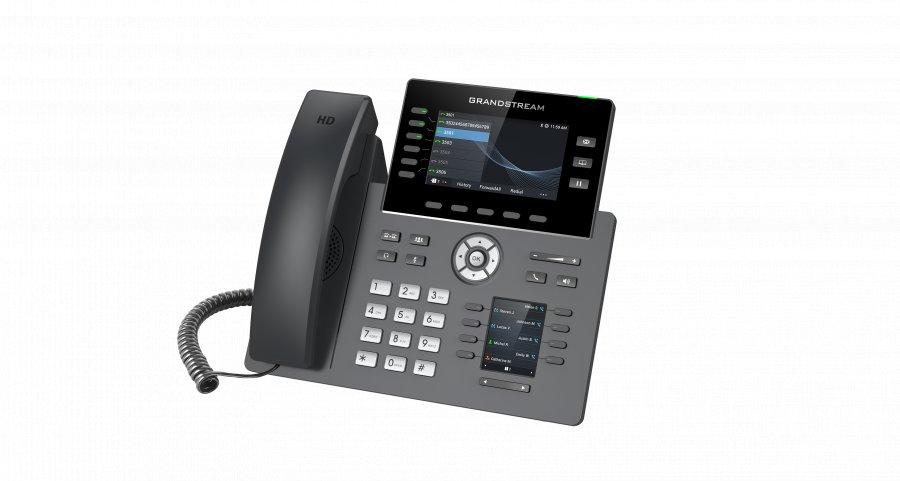
Grandstream’s range of telephony endpoints stands out for their reliability, security, and straightforward management, making them a smart choice for organizations looking to upgrade their communication infrastructure. Whether you’re deploying just a few phones or outfitting multiple locations, these devices are built to support seamless, scalable communication. Their flagship GRP series IP phones combine high-performance hardware with user-friendly features, allowing for quick setup and dependable operation in diverse environments—from reception areas to executive offices.
A key advantage of Grandstream’s devices is their compatibility with the company’s centralized management platform, GDMS. This cloud-based tool lets administrators configure, provision, and monitor hundreds or even thousands of phones remotely. This centralized control streamlines deployment, reduces manual errors, and simplifies ongoing maintenance. Firmware updates, troubleshooting, and device management become faster and more efficient, ensuring your telephony network remains secure and running smoothly without extensive onsite intervention.
Security is woven into every device, with encrypted signaling and media protocols that protect calls from cyber threats and eavesdropping. Supporting standard protocols like SIP ensures interoperability with various systems, safeguarding your investment and future-proofing your setup. From small offices to large enterprises, these phones deliver consistent, high-quality voice and video communication, supporting your organization’s growth and operational needs.
For teams with remote or mobile workers, Grandstream offers cloud-managed phones that register easily with GDMS, providing reliable connectivity from anywhere. This flexibility supports modern work patterns, enabling your staff to stay connected and productive without complicated setups. The devices’ scalability and ease of management make expanding your communication system straightforward, whether adding new users or integrating advanced features.
Choosing the right device depends on your deployment scale and specific requirements. The GRP series is ideal for large-scale rollouts, thanks to its robust hardware and centralized management capabilities. For more personalized setups, Grandstream offers models with touchscreen interfaces, video calling, and programmable keys. Each device integrates seamlessly into your existing network, helping you build a cohesive, efficient communication environment that grows with your business.
Implementing Grandstream’s solutions is straightforward when guided by a clear plan. Start with an assessment of your current infrastructure and future needs—consider how many devices you’ll deploy, your security standards, and integration points. Leverage GDMS from the outset to configure and monitor your devices remotely, saving time and reducing errors during deployment. Proper network setup, including prioritizing voice traffic with QoS and segmenting your network with VLANs, ensures optimal call quality and security.
By choosing Grandstream’s telephony devices, organizations gain not just reliable hardware but a scalable foundation for future communication innovations. Their devices support the evolving landscape of digital collaboration, offering features like HD audio, video, and extensive programmability. Combined with centralized management and security, these endpoints enable your business to stay agile, responsive, and prepared for ongoing growth.

Deploying and Managing Grandstream Solutions: A Step-by-Step Guide to Success
Implementing Grandstream solutions starts with a clear plan that sets the stage for a smooth deployment. Begin by assessing your current communication infrastructure—consider how many devices you’ll need, your security standards, and how these phones will integrate with your existing network. This initial step helps identify potential challenges and ensures your deployment aligns with your organization’s goals, reducing surprises down the line.
Leverage Grandstream’s centralized management platform, GDMS, to streamline the entire process. This cloud-based tool allows you to configure, provision, and monitor hundreds or even thousands of phones remotely. With GDMS, you can deploy devices across multiple locations quickly and uniformly, minimizing manual configuration errors and saving valuable time. Ongoing management becomes effortless, with firmware updates, troubleshooting, and performance monitoring all accessible from a single interface.
Network setup plays a critical role in optimizing call quality and security. Prioritize Quality of Service (QoS) protocols to give voice traffic priority over data, reducing latency and jitter during calls. Segment your network with VLANs to isolate voice traffic, enhancing both security and stability. Properly configuring these elements ensures your telephony system delivers clear, reliable audio and maintains privacy against cyber threats.
Security measures should be integrated into every step of deployment. Enable encryption protocols like SRTP and TLS to protect call data from eavesdropping and cyberattacks. Keep firmware and security settings up to date, and implement strong passwords along with network segmentation to prevent unauthorized access. These precautions create a resilient environment where your communication remains private and secure, even as your network grows.
After installation, focus on training your team to maximize the benefits of your new system. Provide clear guidance on operating the phones, utilizing key features, and reporting issues. Encourage feedback to identify areas for fine-tuning or additional support. Regular maintenance through GDMS, such as remote firmware updates and device health checks, keeps your system running smoothly and minimizes downtime. With proactive management, your telephony infrastructure can reliably support your organization’s evolving needs.