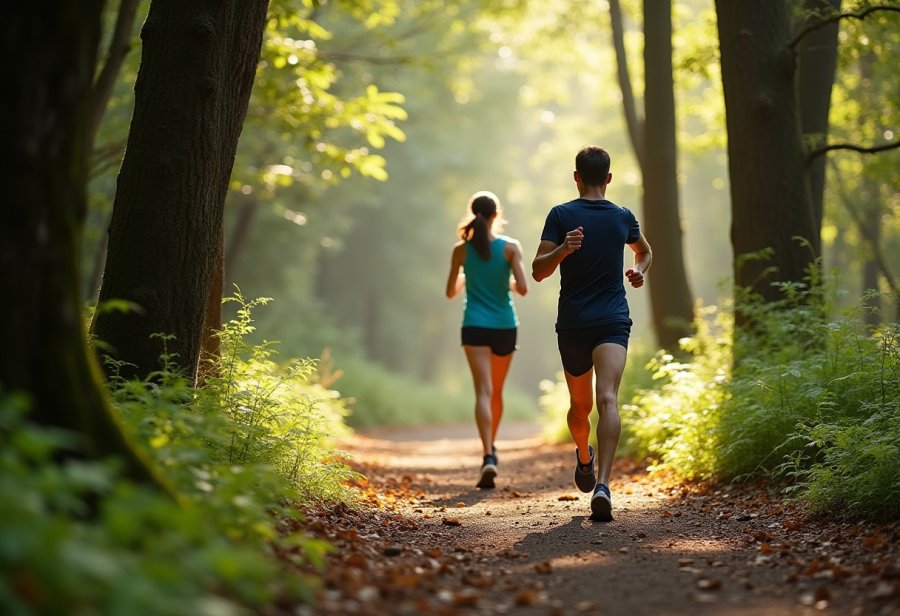
Imagine transforming daily walks from chaotic pulls and lunges into peaceful, connected moments with your dog—sounds ideal, but is it truly achievable? Mastering calm, attentive walking is more than obedience; it’s about building trust, reducing stress, and strengthening your bond. This guide reveals how consistent routines, positive reinforcement, and understanding your dog’s emotional needs can turn training into a shared journey of confidence. It explores practical techniques—from managing leashes to redirecting focus—and addresses common challenges like distractions and reactive behaviors. As you progress, you’ll discover how patience and tailored strategies in familiar and busy environments help your dog stay relaxed amid chaos. Investing in the right tools and training methods accelerates success, transforming walks into enjoyable, bonding experiences rather than stressful routines. Are you ready to unlock this peaceful connection, creating happier outings and a deeper, trusting relationship with your canine companion?
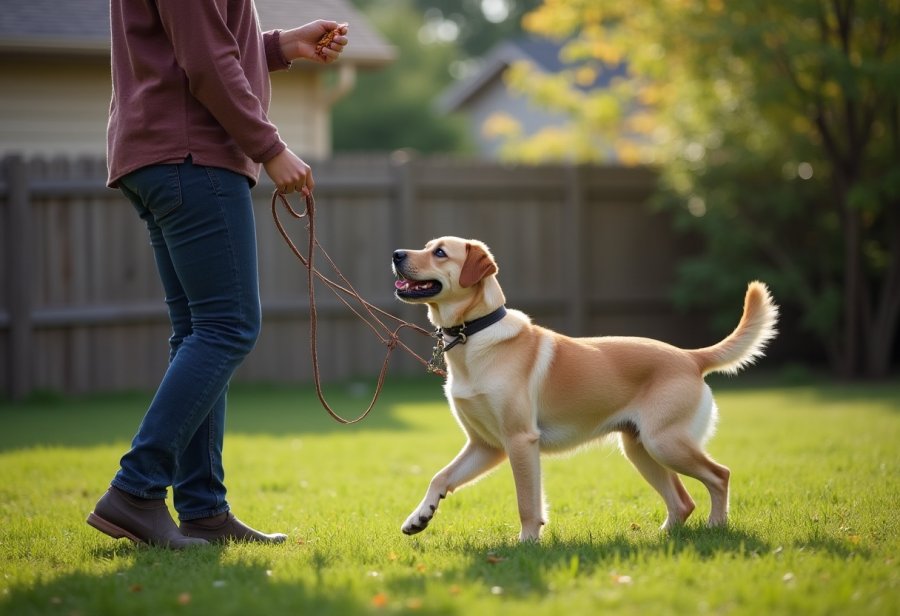
Build a Strong Bond Through Calm Dog Walking
Walking calmly with your dog isn’t just about keeping them neat on a leash—it’s about building a stronger, more trusting bond. When your dog learns to walk at your side without pulling or lunging, everyday outings become moments of connection rather than frustration. Calm leash manners set the foundation for good behavior in more challenging situations, like busy parks or crowded streets, making walks more enjoyable for both of you.
Mastering this skill isn’t just about obedience; it’s about creating mutual understanding. As your dog becomes more relaxed and focused during walks, they start to feel more secure and confident in their environment. This sense of safety encourages calmer behavior and helps prevent common issues like pulling, lunging, or anxiety-driven reactivity. When your dog trusts that they can stay relaxed and attentive, your relationship naturally deepens.
Developing calm walking habits also enhances your overall training. Dogs that walk peacefully tend to be more attentive and responsive, making it easier to teach other commands. Plus, the routine of a calm walk turns training into a shared experience of trust and cooperation, strengthening your bond with each outing.
Beyond behavior, calm walks reduce stress for both owner and dog. Instead of feeling like a chore, walking becomes a peaceful ritual—an opportunity to relax, enjoy each other’s company, and connect. This harmony creates a more positive and fulfilling experience for everyone involved, setting the stage for happier, more confident outings every time you hit the trail.
Foundations of Calm Dog Walking: Understanding and Emotional Security
Calm behavior during walks begins with understanding what your dog needs emotionally. A dog that feels safe and secure is more likely to stay relaxed and attentive. Establishing routines your dog can depend on, such as consistent feeding times and familiar cues, helps create predictability and reduces anxiety. Using positive reinforcement—treats, praise, or gentle touches—when your dog remains calm reinforces that peaceful behavior is rewarding. Over time, this builds their confidence and encourages a default response of relaxation, even in mildly distracting environments.
Modern training methods emphasize patience, kindness, and consistency over old dominance-based approaches. Building a trusting relationship helps your dog associate walks with positive experiences rather than stress. Recognizing your dog’s individual personality traits and triggers allows you to tailor your approach, gradually introducing new stimuli and rewarding calm responses. This emotional bond makes training more effective and helps prevent reactive behaviors like lunging or barking.
Understanding your dog’s psychological needs is key to fostering calmness. Some dogs are naturally more anxious or easily distracted, requiring gentle guidance and gradual exposure. When your dog feels supported and understood, their ability to stay focused and relaxed improves. This emotional foundation makes walks more enjoyable and less stressful, turning a routine activity into a shared moment of trust.
Creating a calm environment from the start sets the tone for successful training. Short, focused sessions in quiet, familiar settings allow your dog to learn without becoming overwhelmed. Repeating these routines builds consistency and helps your dog understand what’s expected. As their confidence grows, you can gradually introduce more stimulating environments—always reinforcing calmness and attentiveness.
The psychological aspect of calm walking isn’t just about control; it’s about cultivating a peaceful state of mind. When your dog learns to stay relaxed, walks become opportunities for connection and mutual respect. This emotional harmony strengthens your bond and lays the groundwork for more confident, well-behaved outings in any setting.
By focusing on your dog’s emotional well-being and using gentle, consistent techniques, you create a foundation of calmness that benefits both of you. Patience and understanding are your best tools as you guide your dog toward relaxed, attentive walking. With time, these principles transform daily walks from stressful routines into peaceful, bonding experiences, setting the stage for a lifelong partnership based on trust and cooperation.
Effective Techniques and Strategies for Calm, Focused Walks
Achieving calm, focused walks with your dog relies on a blend of practical techniques and consistent practice. Managing your leash is a key starting point; keeping it loose and steady helps your dog feel less restrained, which reduces pulling and tension. Using a short leash provides better control while still allowing your dog enough space to explore calmly. Focus exercises, like teaching your dog to look at you on command, are crucial for redirecting attention away from distractions and fostering focus. When your dog responds reliably, walking becomes more controlled and relaxed.
Commands such as “heel” or “focus” serve as anchors during walks. Teaching these cues helps your dog learn to walk closely at your side without fuss. Addressing pulling or distractions involves patience: if your dog pulls, stop immediately and wait until they return to your side, reinforcing that staying close is more rewarding. As your dog improves, gradually introduce more stimulating environments, always reinforcing your cues and rewarding calm behavior to build their confidence.
Understanding your dog’s triggers and personality is essential for tailoring your approach. Some dogs are naturally more energetic or easily distracted, so adjusting your training methods to suit their needs makes a big difference. Using treats, praise, or toys as rewards strengthens their association between calmness and positive outcomes. Consistent, gentle guidance over time gradually develops your dog’s ability to stay focused and relaxed, transforming walks into enjoyable bonding moments instead of daily struggles.
Patience and persistence are your best allies. Training a dog to walk calmly isn’t about quick fixes but steady progress. Keep sessions short—around five to ten minutes—and celebrate small successes like maintaining focus for a few steps. Over time, these small steps lead to longer, peaceful walks where your dog is attentive and eager to stay by your side, reinforcing trust and shared achievement.
Practical Steps to Implement Calm Walking in Any Environment
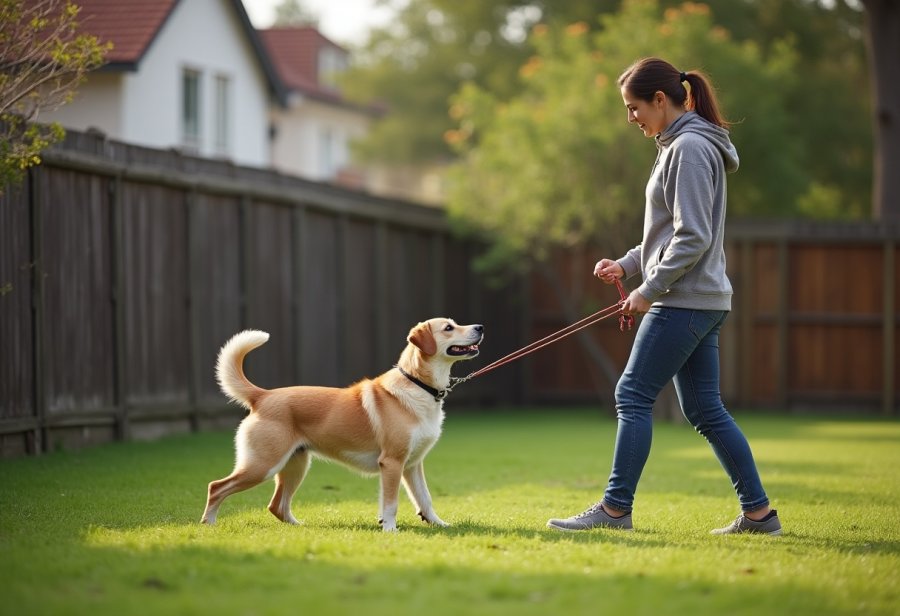
To put your calm walking techniques into practice, start in familiar, low-distraction environments like your backyard or quiet neighborhood streets. These calm settings allow your dog to focus and help reinforce good behavior without feeling overwhelmed. Use treats, praise, and gentle touches whenever your dog responds calmly to cues like “heel” or “focus,” rewarding them immediately to strengthen the connection between calmness and positive outcomes. If your dog pulls or gets distracted, pause and wait until they return to your side before moving forward, teaching patience and self-control that will carry over into more stimulating environments.
As your dog gains confidence, gradually introduce busier areas such as parks or streets with other dogs and people. Keep routines consistent—using the same cues, rewarding calm behavior, and maintaining a steady pace—so your dog can generalize their training across different settings. Remember to keep initial sessions short, around five to ten minutes, to keep your dog engaged and prevent frustration. Over time, repeated exposure in varied environments will help your dog stay focused and relaxed, making walks smoother and more enjoyable regardless of surroundings.
Tools like a well-fitted harness or a clicker can make a significant difference during outings. A harness provides better control without discomfort, especially if your dog tends to pull, while a clicker helps mark precise moments of correct behavior, reinforcing calm responses. Carry treats or toys to motivate your dog and keep their attention focused on you during walks. When distractions arise, redirect their focus with cues like “look at me,” and reward calm responses immediately. This consistency helps your dog understand that patience and attention lead to positive experiences.
Establishing routines before each walk—reviewing cues, preparing your gear, and setting a calm tone—sets your dog up for success. During the walk, respond gently but firmly to signs of pulling or distraction, rewarding compliance instantly. These small, consistent efforts help your dog grasp what’s expected, turning everyday outings into moments of trust and cooperation. Over time, your dog will learn that staying calm and attentive results in a peaceful, bonding walk, reinforcing good habits naturally.
Patience remains essential, especially when facing setbacks or new challenges. Some days will be easier than others, and environmental factors can influence your progress. When your dog becomes overwhelmed, return to familiar, calming settings and revisit the basics. Recognize early signs of frustration or overstimulation and adjust your pace or walk length accordingly. With steady practice and positive reinforcement, your dog will gradually develop the calm, focused behavior that makes walks enjoyable for both of you.
Investing Wisely: Costs and Value of Training Tools and Classes
Training your dog to walk calmly at your side involves some financial investment, but understanding where your money goes can help you budget effectively. The first essential expense is a well-fitting harness or head collar, which typically costs between $20 and $50. These tools not only improve control but also keep your dog comfortable, reducing pulling and tension on the leash. If you choose professional help, training classes or hiring a trainer can range from around $100 to several hundred dollars, depending on the program’s length and intensity. While this may seem like a significant upfront cost, many owners find that investing in quality guidance accelerates progress and minimizes frustration.
Beyond initial equipment, consider ongoing supplies like treats, training clickers, and durable leashes or toys. Treats are vital for positive reinforcement and can add up over time, but opting for homemade options or buying in bulk helps keep expenses manageable. Good training tools are an investment that pays off in stronger bonds and more consistent behavior, making the training process smoother and more enjoyable for both you and your dog. Group classes tend to be more affordable than private lessons, often costing between $100 and $200 for a series of sessions, and offer the added benefit of social interaction with other dog owners.
Online courses and virtual coaching offer budget-friendly alternatives that still deliver expert advice without the higher price tag. The true value of investing in quality tools and professional help lies in creating a calmer, more attentive dog, which reduces long-term costs associated with behavioral issues later on. Better leash manners also mean safer walks in busy or unpredictable environments, making your investment worthwhile. Planning your budget around these essentials ensures a smoother, more successful journey toward peaceful, confident walks together.
Turning Training Plans into Consistent, Peaceful Routines
Turning your training plan into a consistent routine is essential for making lasting progress with your dog. Start by establishing specific times each day for walks, so your dog begins to anticipate and feel secure in the routine. Consistency helps reduce anxiety and confusion, making training more effective and enjoyable. Before heading out, review your cues and prepare your training tools—treats, a leash, and focus commands—so everything is ready to go. During the walk, maintain a calm, patient demeanor, rewarding your dog immediately whenever they respond correctly. This repetition helps your dog associate good behavior with positive outcomes, boosting their confidence.
Begin in familiar, low-distraction environments like your yard or quiet neighborhood streets. These calmer settings allow your dog to focus and help reinforce the routines you’re teaching. As your dog improves, gradually introduce busier areas such as parks or streets with other dogs and people, always maintaining the same routines. Keep training sessions short—around five to ten minutes—to keep your dog engaged and prevent frustration. Repeating these routines consistently across different settings helps your dog generalize their learning, leading to smoother, more reliable walks.
Start each outing with a brief warm-up, practice focus exercises, and end on a positive note. This predictability reassures your dog and reduces anxiety. Use the same cues every time and reward immediately for calm, attentive behavior. Over time, your dog will understand that staying focused and relaxed during walks results in rewards, making calmness the default response.
Patience is key. Some days will go smoothly, others less so. When your dog gets distracted or pulls, calmly reset and repeat your cues. Consistent practice turns small successes into lasting habits, transforming routine walks into peaceful, bonding moments. Keep your tone positive and your expectations realistic, and your dog will learn that calm, attentive walks are both rewarding and expected.
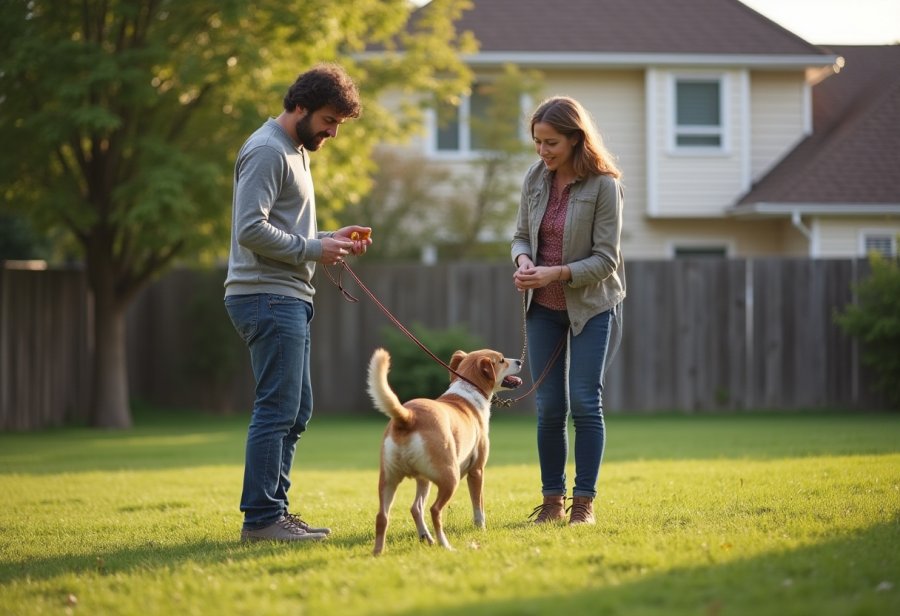
Overcoming Challenges and Managing Risks in Calm Dog Walking
Training your dog to walk calmly can bring unexpected challenges, especially when distractions like busy streets, other dogs, or intriguing scents appear. These moments can easily pull your dog’s attention away from you, making it harder to maintain that peaceful, focused walk. When faced with such situations, pausing and giving your dog a moment to reset teaches patience and self-control. Redirect their focus with a simple cue like “look at me,” and reward calm behavior to reinforce that staying attentive is more rewarding than chasing every distraction.
Leash pulling is a common obstacle. If your dog starts to drag you forward, stopping immediately and standing still until they return to your side sends a clear message: pulling doesn’t get them where they want to go. Once beside you, praise and reward, then continue the walk. This teaches your dog that staying close and focused leads to a more enjoyable experience. For reactive behaviors like barking or lunging, increasing distance and calmly redirecting their attention helps them feel safer and more in control. Recognizing early signs of overstimulation and adjusting your pace or route can prevent setbacks and keep the training on track.
Some dogs may react anxiously in unfamiliar environments, which can complicate progress. Gradually exposing them to new surroundings, while maintaining positive reinforcement, builds confidence and reduces stress. Expect setbacks—they’re part of the learning process. When your dog appears overwhelmed, returning to familiar, calmer settings and revisiting basic routines can help rebuild their confidence. Patience and consistency are essential; with steady effort, these challenges become opportunities for growth and resilience.
Maintaining a calm demeanor yourself is crucial. Dogs pick up on their owner’s energy, so staying relaxed and patient encourages your dog to mirror that calmness. If frustration arises, take a deep breath and reset. Avoid harsh corrections, which can increase anxiety and undermine trust. Instead, use gentle guidance and consistent cues to help your dog understand what’s expected. Over time, these strategies turn challenges into teachable moments that strengthen your bond.
Remember, every dog is different, and some will face more obstacles than others. Environmental factors like weather, noise levels, and crowd density can influence your dog’s behavior. Be prepared to adapt your approach, whether that means shortening walks, changing routes, or introducing new training tools. Flexibility combined with positive reinforcement ensures you stay connected and progress steadily, even when setbacks occur. With patience and persistence, you’ll help your dog develop the calm, focused behavior necessary for peaceful walks and a stronger relationship.